

Crawl spaces do not ruin houses loudly. They do it quietly: musty air that never fully leaves, floors that feel colder than they should, insulation that sags, and framing that stays just damp enough for too long.
Most crawl-space vent-cover advice goes wrong for one reason. It treats outside air like the whole problem, when the real problem is usually moisture moving through the ground, the perimeter, or humid summer air hitting cool surfaces.
So the first question is not “Should I cover the vents in winter?” It is: what moisture system am I running?
- When winter vent covers help
- When they backfire
- How ground vapor and bulk water change the answer
- When a vented crawl still makes sense
- When sealing the crawl is the better move
The Quick Answer
If your crawl space is vented, winter vent covers can help with comfort and freeze risk if the crawl is already dry, the soil is properly covered, and bulk water is under control. They can also backfire if you are trapping dampness.
If your crawl space is sealed or encapsulated, vents are a hole in the system. In that case they get sealed permanently, and humidity is handled with conditioned air or a dehumidifier.
That is the blunt version. The rest is about figuring out which situation you are actually in before you buy anything.
Worth knowing: if you want the bigger context first, read Crawl Space Foundation Fundamentals.
Why Crawl Spaces Get Wet
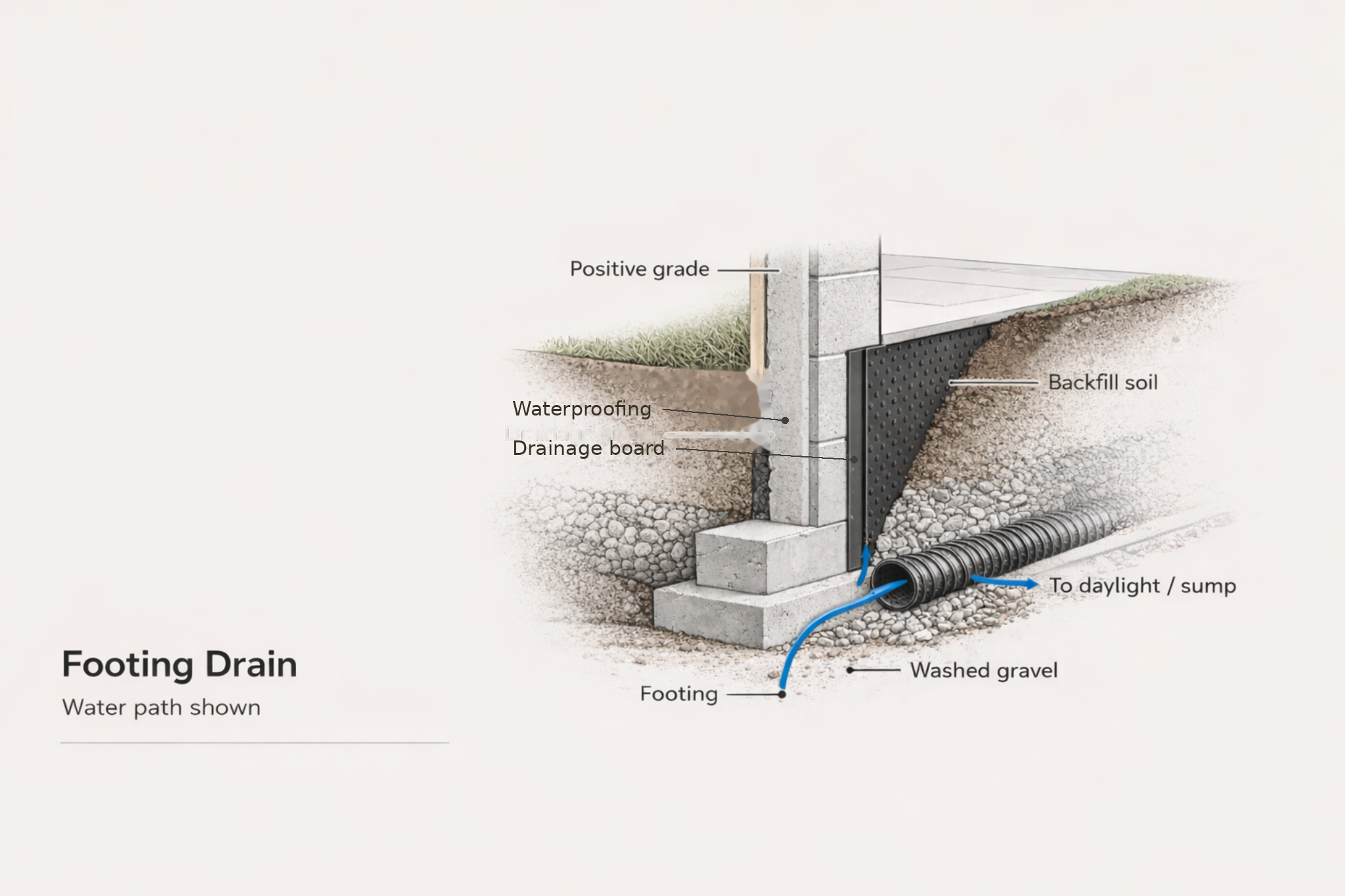
A crawl space can feel damp even when nothing looks like an active leak. That is normal. The fix depends on which moisture category is doing the damage.
| Moisture Type | What It Looks Like | What Usually Fixes It |
|---|---|---|
| Bulk Water | Puddles, muddy soil, damp wall band, wet insulation after rain | Drainage, grading, runoff control, waterproofing where needed |
| Ground Vapor | Persistent musty smell, high humidity, damp dirt even in dry weather | Full ground cover with taped seams and proper perimeter detailing |
| Humid Outdoor Air | Summer condensation on framing, ducts, or cool surfaces | Better vent strategy, air sealing, and in some cases a sealed crawl approach |
If you are not sure which one you have, check the crawl space after heavy rain, then again during a normal dry week. The pattern usually tells you more than one quick inspection ever will.
- Does water collect under the house after storms?
- Do you see efflorescence, tide marks, or a damp band at the wall base?
- Are downspouts discharging too close to the foundation?
- Is the soil frequently shiny-wet or muddy even without standing water?
If any of that is happening, your first money usually belongs outside, not under the house. Exterior Foundation Waterproofing is the right next read when water management is the real problem.
Choose the Strategy First
You have two basic approaches here. The trouble starts when people build half of one and half of the other.
Vented Crawl Space
This setup depends more on site conditions and weather doing some of the work for you. It can behave well enough on a dry site with good drainage, full ground cover, and a climate that is not loading the crawl with warm wet air for months at a time.
It usually goes wrong in a familiar sequence: bare or sloppy ground cover, lazy runoff, damp soil, humid summer air, then the smell starts and nobody agrees on why.
Sealed or Encapsulated Crawl Space
This is the more controlled setup. Vents are sealed, the ground gets a real liner, leaks get tightened up, and humidity is managed on purpose instead of left to the weather.
It costs more. It also asks for more discipline. A properly sealed crawl can perform well. A half-sealed crawl is how people spend money and still keep the smell.
The practical difference: vented crawls ask the house and climate to cooperate. Sealed crawls ask you to build a controlled system and finish it properly.
What a Good Vapor Barrier Looks Like
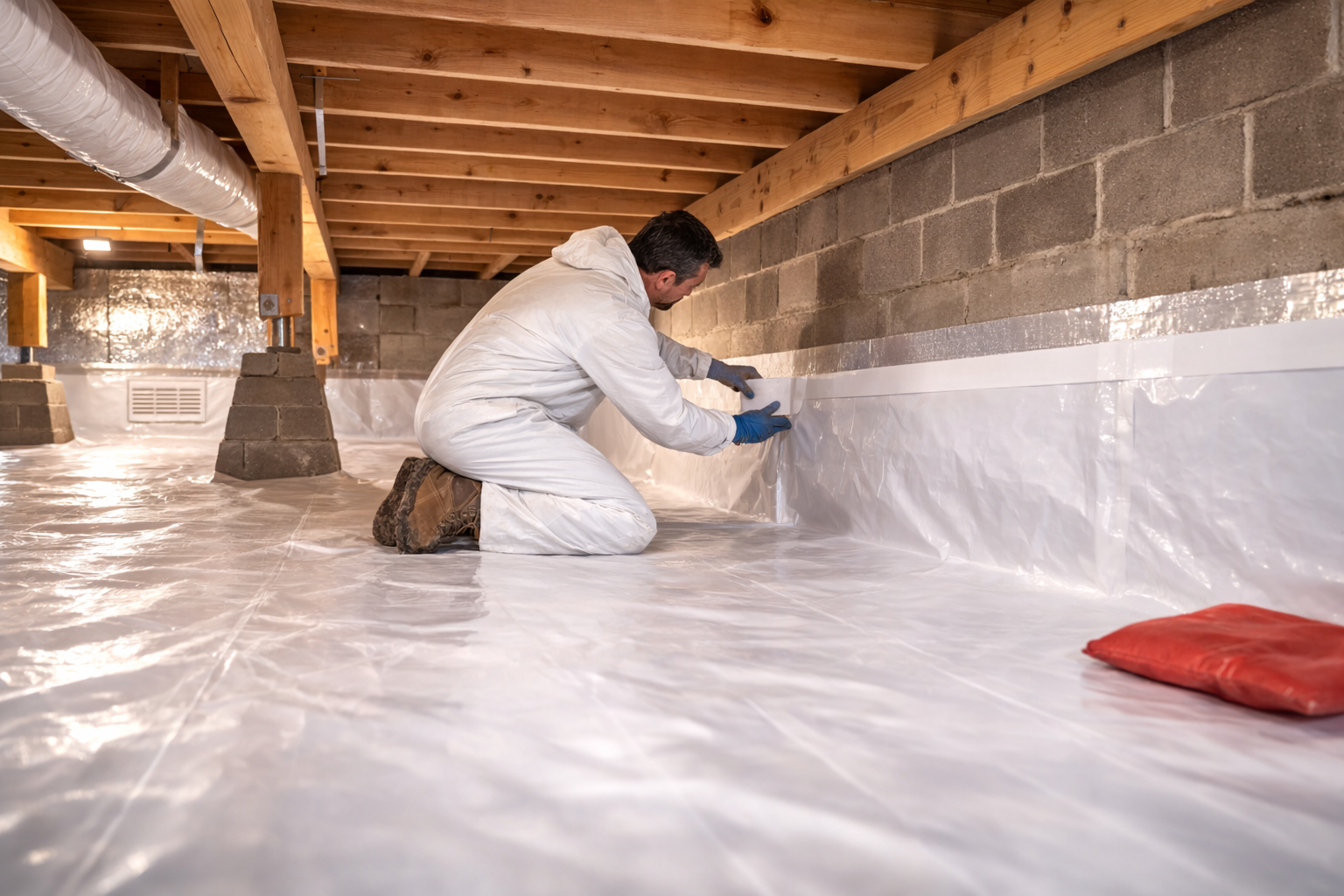
A crawl space vapor barrier is a ground-cover system. It is there to stop soil moisture from feeding mold, rot, odors, and high humidity.
Thin plastic tossed loosely on the dirt helps a little. It also tears fast, shifts, and stops being a system.
- Thickness: 6-mil is a common minimum. If people will crawl on it or service equipment down there, thicker reinforced liner usually lasts longer.
- Coverage: cover all exposed soil, not “most of it.”
- Seams: overlap and tape them.
- Piers and penetrations: wrap and seal around posts, pipes, and other interruptions.
One thing people get wrong: a vapor barrier does not make bulk water disappear. If water is flowing in, it will flow on top of the liner. That is not the liner failing. That is the wrong problem being solved.
Read this next: Crawl Space Vapor Barrier Installation: How to Do It Right the First Time.
What Vent Covers Actually Do
Vent covers are not automatically right or wrong. They are just a tool. The mistake is using the tool before you know which system the crawl space is supposed to be running.
Basic Exterior Vent Covers
These help with pests, debris, and wind-driven rain. They do not dry a crawl space by themselves.
Winter Vent Covers
In colder climates, winter vent covers can reduce cold air washing across pipes and floors. That can help comfort and reduce freezing risk near the perimeter.
The backfire is humidity. If the crawl space already has wet soil, poor drainage, or water intrusion, covering vents can reduce drying and leave the space wetter for longer.
Insulated And Airtight Covers
These are mostly a comfort and energy move. They can reduce drafts and cold floors.
But airtight covers can trap moisture if the crawl is not sealed and controlled as a full system. They make the most sense when the crawl space strategy is already sealed and managed.
The Winter Drying Trap
This is the part a lot of homeowners miss: in some humid climates, winter air can be the driest outdoor air you get all year.
That means a vented crawl space with a decent ground barrier may get some of its best drying during colder months. Close the vents all winter and you can lose that drying window.
Then spring arrives, the crawl is still damp, and warmer humid air stacks on top of an already-wet space. That is when the smell gets louder and the wood stays just a little too damp for too long.
If you do not want to guess, put a hygrometer in the crawl space and watch what happens over time. If relative humidity sits high for long stretches, you do not need another vent cover. You need a moisture plan.
Encapsulation vs. Vented Crawl Spaces
Most arguments online are too simple: “encapsulation is always better” versus “vents are cheaper and fine.” The missing word is control.
A sealed crawl is not just closed vents and plastic on the ground. It is a small controlled environment.
| Approach | Main Advantage | Main Risk |
|---|---|---|
| Vented Crawl | Lower upfront cost, simpler traditional assembly | Can go bad fast in humid climates or on wet sites |
| Encapsulated Crawl | Better long-term moisture control when done fully | Half-finished jobs trap moisture instead of controlling it |
A good encapsulation scope usually includes taped ground liner, real wall termination details, vent sealing that connects continuously to the liner, rim-joist air sealing, and an actual humidity-control plan.
Also useful: Crawl Space Encapsulation Done Right: Moisture First, Air Second.
How the Wall Seal Usually Fails
This detail sounds minor until it is not. A lot of DIY vapor-barrier jobs look fine across the middle of the crawl and then fall apart at the perimeter.
- Run the liner high enough to get above the damp lower wall zone.
- Use a real termination detail, not just tape stuck to dusty masonry.
- Seal and fasten around corners, piers, and penetrations where leaks usually show up first.
The short version: the middle of the liner is easy. The edges are where the job proves whether it was built to last.
When Vent Covers Help
| Scenario | Cover Vents In Winter? | Why |
|---|---|---|
| Dry crawl, taped ground cover, cold climate, comfort or freeze-risk concern | Often yes, seasonally | Can reduce cold air wash if moisture is already controlled |
| Bare soil or shredded untaped plastic | Usually no | You are likely trapping ground moisture |
| Standing water, muddy soil, or damp wall band after storms | No | Active water problem comes first |
| Humid region where winter may be the driest season | Be careful | You may remove one of the crawl space’s few drying periods |
| Fully sealed crawl with humidity control | Yes, permanently | Vents are holes in the air boundary |
A simple rule that holds up: if the crawl space already smells musty, vent covers usually do not solve the real problem. They just change the drying behavior.
Bulk Water Changes Everything
If water is entering the crawl during storms, or the water table rises into the crawl, do not treat encapsulation or vent covers as the first fix.
Fix gutters, downspout discharge, grading, and drainage first. The cleanest crawl spaces usually sit under houses with boring exterior water management.
Quick Checklist
- Check the crawl space after heavy rain, not just on a nice dry day.
- Confirm downspouts discharge well away from the foundation.
- Cover exposed soil fully and tape seams.
- Seal around piers and penetrations instead of leaving neat little gaps.
- If you use winter vent covers, do it only after ground moisture is under control.
- Track humidity instead of guessing from smell alone.
- Do not encapsulate a crawl space with active bulk water problems.
FAQ
Do Crawl Space Vent Covers Actually Fix Moisture?
No. They can help with pests, drafts, and wind-driven rain, but moisture control starts with ground vapor control and water management.
Should I Cover Crawl Space Vents In Winter?
Sometimes. In cold climates it can help comfort and pipe protection, but only if the crawl is already dry enough that you are not trapping moisture.
Are Insulated Vent Covers Worth It?
They can help with comfort and drafts. They are not a moisture fix by themselves.
I Sealed The Vents And Now It Smells Worse. What Happened?
You likely reduced drying while leaving the moisture source active. Bare soil, poor drainage, leaks, or humid air may still be feeding the crawl.
How Do I Keep A Wall-Sealed Liner From Peeling Off?
Use mechanical fastening plus compatible sealant. Tape alone on rough concrete is rarely enough.
What Is The Single Biggest Mistake With Winter Vent Covers?
Using them to hide an unmanaged moisture problem instead of fixing the source first.