
How to Become an Interior Designer: Education, Skills, and Opportunities
Interior Design in 2025
You’re here because you’re looking for something that might actually change your life. Most of what you find online is just noise — people chasing clicks or AI pretending to sound smart. But you’re not here for that. You want real answers. I’ll help you get them.
There are a few things you need to see in yourself first. If you can’t check off most of them, then do yourself a favor and look elsewhere. That’s not an insult. It’s honesty that’ll save you time.
Interior design hasn’t suddenly changed because we slapped “2025” on it. Same story in 1990, 1900, or 2300 with some robot named Buznki. It still needs a mind that gets the fundamentals. And no, Tony, it’s not just picking colors or matching curtains.
To design spaces that actually work, you’ve got to mix creativity with logic. The creative part comes from instinct — some people just have it. The technical part you can learn. Together, they make you dangerous in the best way.
What’s next isn’t theory or filler. It’s pulled straight from real work — projects that failed, ones that hit, and lessons that stuck. You’ll get what matters, skip the noise, and maybe see if this path’s really for you. Let’s go.
Stay tuned.
Down below, you’ll see real examples of what happens when design instinct kicks in—and what it looks like when it doesn’t. One space done by someone who gets it. The other by someone who just thinks they do.
What It Really Takes to Be an Interior Designer
Interior design takes more than taste. Here are 10 traits that show you’ve got the instincts, patience, and grit to make it.
10 Things Every Real Interior Designer Has
How to Know If You’re Made for Interior Design
Nice. Here are ten traits you should check off if you’re really built for interior design. Use your gut and be honest — we keep the tone human, a little real talk, no fluff.
10 Honest Checks Before You Jump Into Interior Design
1. Spatial and Flow Sense
You walk into a room and your brain starts working before you even think. You see the movement, the zones, what feels right, what’s off. It’s automatic. You don’t overthink it. You just know.
2. Technical Literacy & Building Smarts
You actually care how things go together. Walls, lights, wiring, structure — all that “boring” stuff that keeps the pretty parts standing. You’ve caught yourself admiring a clean joint or perfect alignment more than a chandelier.
3. Problem-Solving Mindset
When a project goes sideways — budget cut, supplier ghosted, client lost their mind — you don’t fold. You curse, breathe, then fix it. Quietly. That’s design.
4. Materials + Finish Awareness
You can tell what lasts and what’s cheap junk just by touching it. You pick what works, not what looks cute on Pinterest. Some people hate you for it. Later, they thank you.
5. Communication + Client Sense
You talk like a human. You listen. You don’t bulldoze your idea over someone else’s. You guide them till they see what you see. That’s half the job — getting people to trust that you actually know your craft.
6. Hard Digital / Drawing Skills
You sketch, you draft, you model. CAD, layouts, sections — they don’t scare you. You make ideas real. Give it time, you’ll have someone else doing the line work while you think through the mess.
7. Detail-Obsessed but Big-Picture Aware
You can zoom out, then zoom right in. You catch misaligned tiles, wrong lighting temperature, door swings that kill flow. You’re basically trained like a sniper, but for good design.
8. Time + Budget Discipline
You know dream timelines are lies. Things slip. Money runs tight. You make it work anyway. You know where to cut and where not to.
9. Creative Instinct + Style Radar
You hate when everything matches like a furniture catalog. You like rooms that breathe, that have some guts. You know when to push color and when to hold back. That’s instinct, not guessing.
10. Willingness to Keep Learning
You know this field never stays still. Tech changes. Materials evolve. Clients get weirder. But the core? That never changes. You feel it even when others miss it — that moment when a space just clicks.
How to use this list:
-
If you can honestly “yes” 7 or more, you’re in strong territory.
-
If you’re around 5-6, you’ve got potential — just focus on building the weakest ones.
-
If you’re below 5, still possible — but you’ll want to think carefully whether you want to invest serious time into this path.
10 Gut-Check Traits That Separate Designers from Decorators
Thinking of studying interior design? Run through these 10 gut-check traits — the real habits pros rely on every day.
See the Difference Yet?
Look at these two rooms.
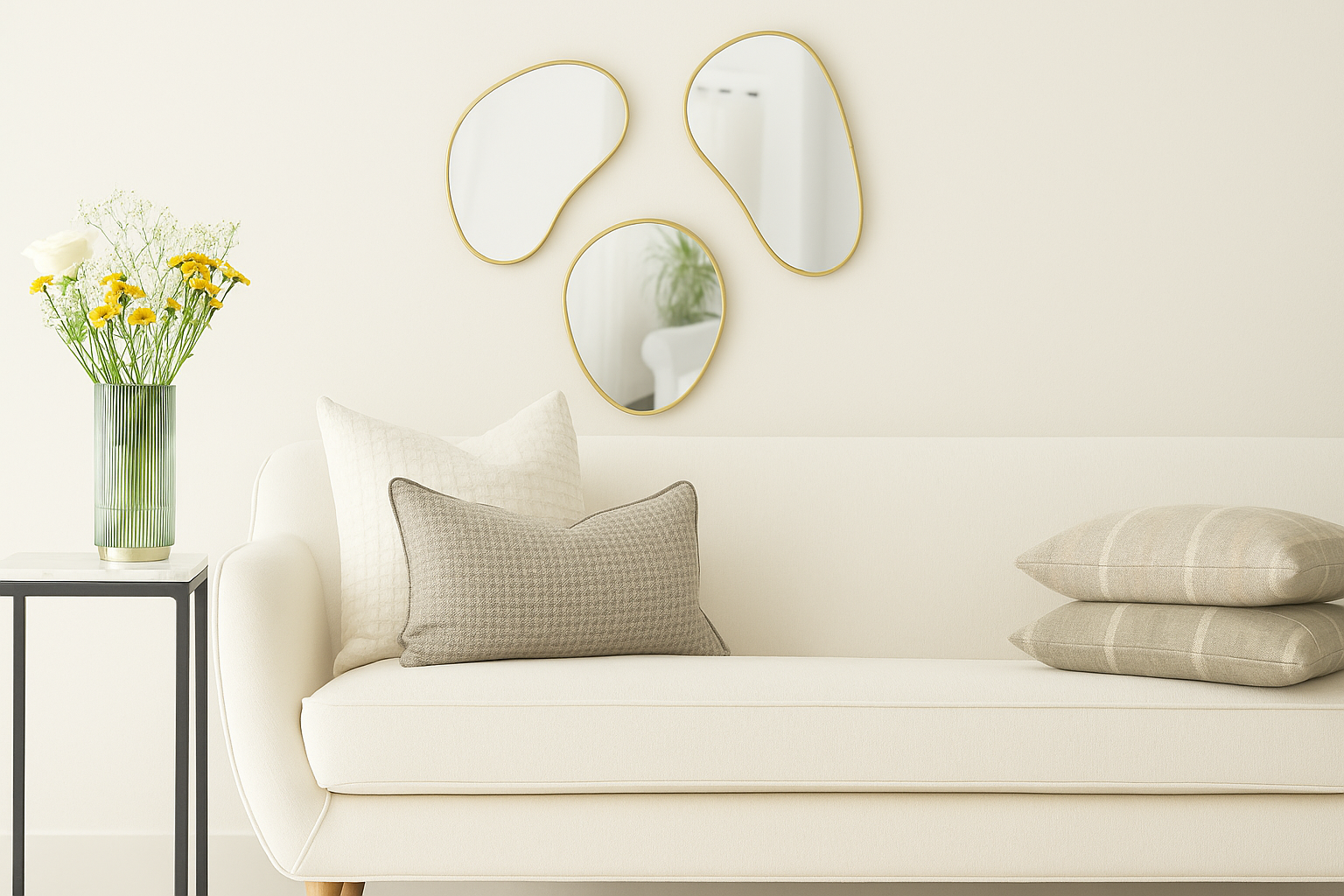
A well-designed interior by a professional. The space feels calm, balanced, and inviting — colors match, mirrors are placed thoughtfully, and everything works together naturally.
If you checked off seven out of ten from that list, you’d design like the first one—clean balance, right textures, breathing space, no nonsense. You’d know why the mirrors sit where they do and how that green vase saves the whole palette.
But if you didn’t? You’d end up with something like the second one—busy wall, no visual pause, fighting materials. You’d think it’s “warm” because it’s brick, but it’s chaos in disguise.
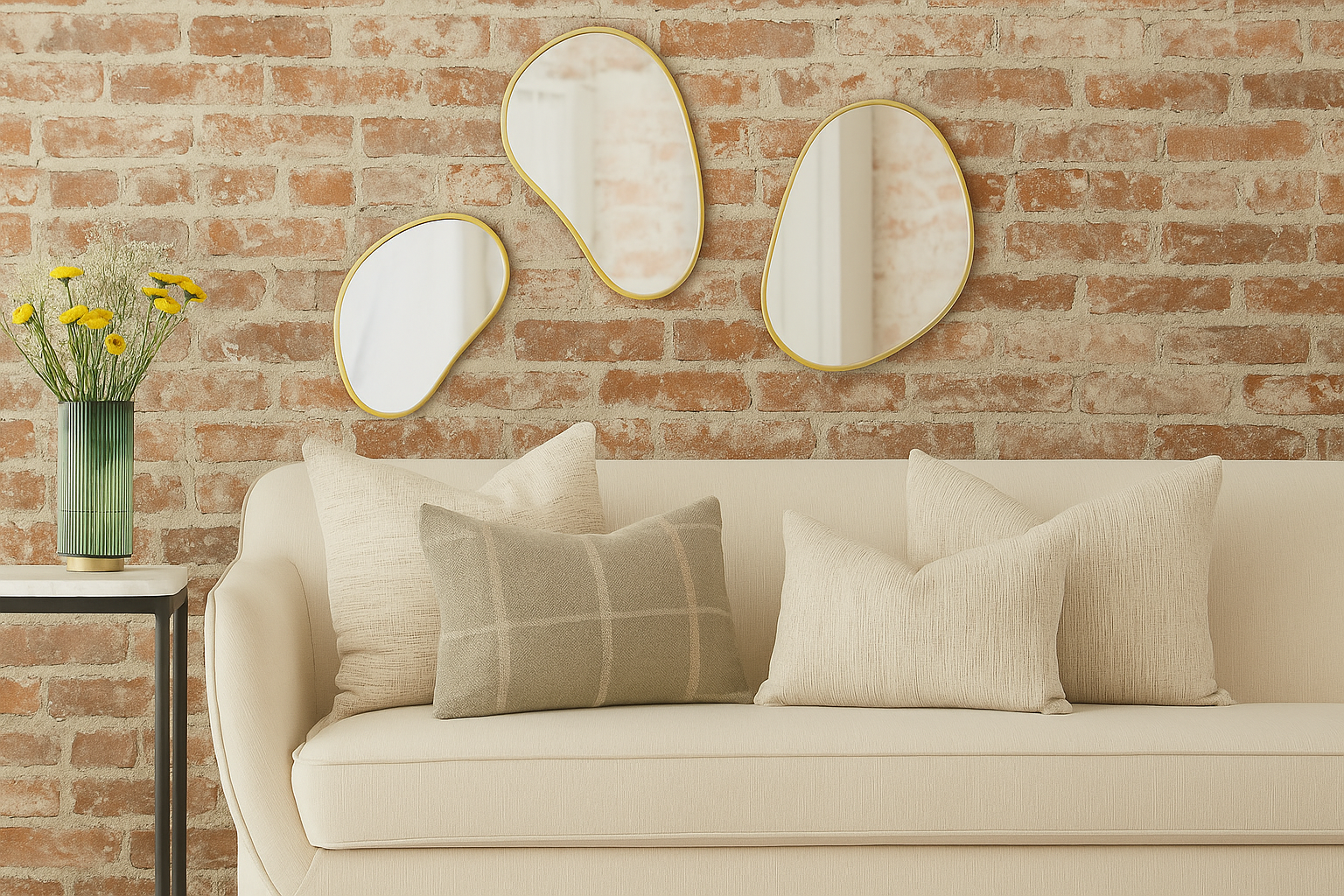
A room styled by someone without design training. The colors and materials don’t match well, and the mirrors look randomly placed. It feels unbalanced and messy.
That’s the gap between “I like interiors” and actually knowing design.
You might be close. Or maybe you don’t know jack yet. Either way, now you see it.
Interior Design 101 From Blank Rooms to Real Work
Real work, real rooms, real deadlines. If you want a design career, build skill, ship projects, and keep receipts. Trends are extra.
What Interior Designers Do
Plan rooms that work. Draw layouts, pick materials, set lighting, write specs, and coordinate trades. You’ll solve flow, storage, sightlines, and light—then turn the plan into a finished space. For a quick grounding in clean, livable moves, skim Minimalist Home Design. If you need historical context that still informs balance and proportion, this primer helps: Traditional Interior Design Basics.
How to Learn (fast and honest)

- Master scale, rhythm, and proportion. Then practice on real rooms.
- Study a few complete styles so you see cause → effect. Start with a classic (traditional) and a pared-back approach (minimalism).
Concrete refreshers when your eye stalls: a straight shot on “forms from old to new” here, and a plain walkthrough of housing concepts here.
MUST READ
The Interior Design Handbook — Frida Ramstedt
Clear rules for spacing, scale, and layout. (Amazon)
Core Skills
- Space planning: zones, circulation, clearances.
- Lighting: ambient, task, accent; dimmers on mains.
- Materials: durability, sheen, maintenance.
- Specs & docs: drawings, schedules, finish lists.
If you’re mixing old and new, this quick read trims the guesswork: modern–traditional balance. For pared-back rooms that still feel warm, see this minimalist living room guide.
FIELD PICK
Styled — Emily Henderson
Fast arrangement rules you can copy today. (Amazon)
Software & Workflow
- Draft: AutoCAD or Revit for plans; SketchUp for massing.
- Boards: Photoshop (or a clean web tool) for client visuals.
- Files: Name by room + phase. Keep specs and quotes in one folder.
Study tight, photo-led documentation to sharpen your own: a sample of period-aware planning is midcentury interiors inside the 1950s home. If you’re aiming at small spaces, this piece trims clutter without killing soul: simple home decorating tips.
RECOMMENDED TOOL
Laser Measure
One-button accuracy; fewer returns. (Amazon)
Portfolio (what clients believe)
- Show three projects end-to-end. Before → plan → after. One paragraph per room: problem, constraint, fix.
- Shoot natural light. Straight walls. No heavy filters.
For visual rhythm and material read, browse a clean history piece like Art Deco architecture explained. It trains your eye on line and proportion. If you need quick style vocabulary, this visual guide to Deco traits helps anchor decisions.
Getting Work
- Start with paid consults. Deliver a scaled plan, a simple spec, and two lighting options.
- Build local ties: contractors, realtors, photographers.
- Ask for reviews with photos. One good case study beats five mood boards.
Client-friendly style quizzes convert: point them to What is My Home Decor Style?. For seasonal refreshes that show quick wins in your feed, see Autumn House Decor.
Money (simple rules)
- Pricing: hourly for consults; flat fee for defined scope; % of budget for full service.
- Scope: drawings, meetings, rounds, and procurement—write it down.
- Billing: deposit → milestones → retainage. Track time even on flat fees.
When a client wants “classic but current,” send them to fresh traditional decor. It sets expectations and trims revisions.
Niches (pick one, sample two)
- Residential: high touch, faster cycles.
- Commercial: codes, accessibility, bigger fees.
- Hospitality: lighting and experience; tight launches.
Style education that travels well: 1920s Art Deco without gimmicks and a straight look at mid-century modern homes.
Design Moves That Always Land
- Rug first. Size up so front legs sit on it.
- Three light layers in every room. Dimmers help at night.
- One hero finish. Let everything else support it.
- Two pillow sizes (20×20 + lumbar). Fewer, better.
For a quick room-finishing checklist, compare this short take on minimalist décor with a more classic setup in modern-traditional living rooms.
MUST READ
The New Design Rules — Emily Henderson
Dimensions, lighting heights, rug sizes. (Amazon)
Small Spaces
- Pick multipurpose pieces. Hidden storage wins.
- Light palette, texture for depth, mirrors for reach.
If you need a renter-friendly kit: washable rugs help. Start with a low-profile vintage print like this minimalist room guide for scale cues, then layer from there.
FIELD PICK
Loloi II Layla Printed Rug
Low pile, vintage read, door-friendly. (Amazon)
Finish a Room (fast playbooks)
The Entryway Five
- Mirror · slim console · basket pair · small lamp · tray
Why it works: bounce light, land keys, hide clutter. For mirror scale, this arched pick is reliable (Amazon).
The Sofa Fix
- 8×10 rug · two table lamps · one arc floor lamp · 20×20 pillows + larger inserts · throw
Why it works: proper scale and three light layers. A simple arc solves “flat” rooms (Amazon).
Bedroom Calm
- Full-length mirror · matching lamps · upholstered bench · washable rug · linen duvet
Why it works: soft symmetry, kinder morning light. If you want style guardrails before sourcing, this beginner tip sheet keeps choices tight.
Books That Pull Weight
- Made for Living — Amber Lewis (Amazon) — warm palettes you can copy with mid-range goods.
- Farrow & Ball: How to Decorate (Amazon) — real paint behavior and sheen.
- Architectural Digest at 100 (Amazon) — reference spreads for composition.
Field Tools
- Laser measure (link above) · level + stud finder · utility shears · paint fan deck.
When you need a quick “finish the wall” win, a gallery kit saves time (Amazon). Pair with a calm print set for easy balance (Amazon).
FAQ
Do I need a degree? It helps. Many regions require credentials for certain scopes. Portfolio + results still win interviews.
Can I start without one? Yes—if you build a tight portfolio, know the software, and deliver clear docs.
How long? Degree: ~4 years. Certification adds logged work hours. Learning is ongoing.
Stress? Sometimes. Process beats chaos: scope, dates, specs, and photos.
Next Steps
- Pick one room. Define the goal in one sentence.
- Draw a scaled plan. Choose one hero finish.
- Layer three lights. Shoot before/after. Write the fix in 4 lines.
If you need a quick style baseline before you start, these two are handy: a clean modern guide to keep choices tight and a traditional overview to understand balance.
Good to Read
1. “The Interior Design Handbook” by Frida Ramstedt
Why It’s Great: This book breaks down the “why” behind design decisions, helping you think like a pro. It’s practical, straightforward, and packed with tips you can apply instantly.
2. “Made for Living” by Amber Lewis
Why It’s Great: Amber Lewis teaches you how to create spaces that are both stylish and lived-in. If you want to master the art of cozy chic, this is your guide.
3. “Elements of Style: Designing a Home & a Life” by Erin Gates
Why It’s Great: Part memoir, part how-to guide, Erin’s book offers hilarious anecdotes alongside solid design advice. A must-read for aspiring designers.
Read Next: The Dilemma of Overthinking in Interior Design
Resources
Books:
- The Interior Design Handbook by Frida Ramstedt – Practical advice for creating functional spaces.
- Elements of Style by Erin Gates – A stylish guide with real-world insights.
- Designing Your Life by Bill Burnett and Dave Evans – Perfect for mapping your career.
- Homebody by Joanna Gaines – Insights into blending style and functionality.
- Design Sponge at Home by Grace Bonney – A guide for design enthusiasts.
Organizations and Certifications
- ASID (American Society of Interior Designers): Offers resources, networking, and certification paths.
- IIDA (International Interior Design Association): Connects professionals worldwide.
- NCIDQ Certification: Essential for practicing in many regions.