

Houses Built in 1890: Features, Layouts, and Surprises
1890s House Styles: What They Got Right
Step into a house from the 1890s and you notice two things straight away. Scale and detail. Rooflines cut sharp. Windows reach high. Trim wraps every edge like it was meant to last. These weren’t fast builds. Even the simplest farmhouses carried proportions that make sense a century later.
This was peak Victorian influence. Queen Anne towers. Romanesque arches. Folk porches dressed in wood. But it was also the start of change—indoor plumbing showing up, heating improving, layouts shifting toward comfort. In cities you saw brick townhouses with stained glass and stone carvings. On farms, wraparound porches and wide wood siding ruled.
I’ve walked through dozens of these homes. Some sagging, some still standing strong. A porch rebuilt. Floors worn smooth by a century of footsteps. What stays constant is the lesson. Builders in the 1890s knew balance. They used honest materials. They gave details that mattered. That’s why their houses still teach us how to design today.
What Life Looked Like Inside an 1890 House
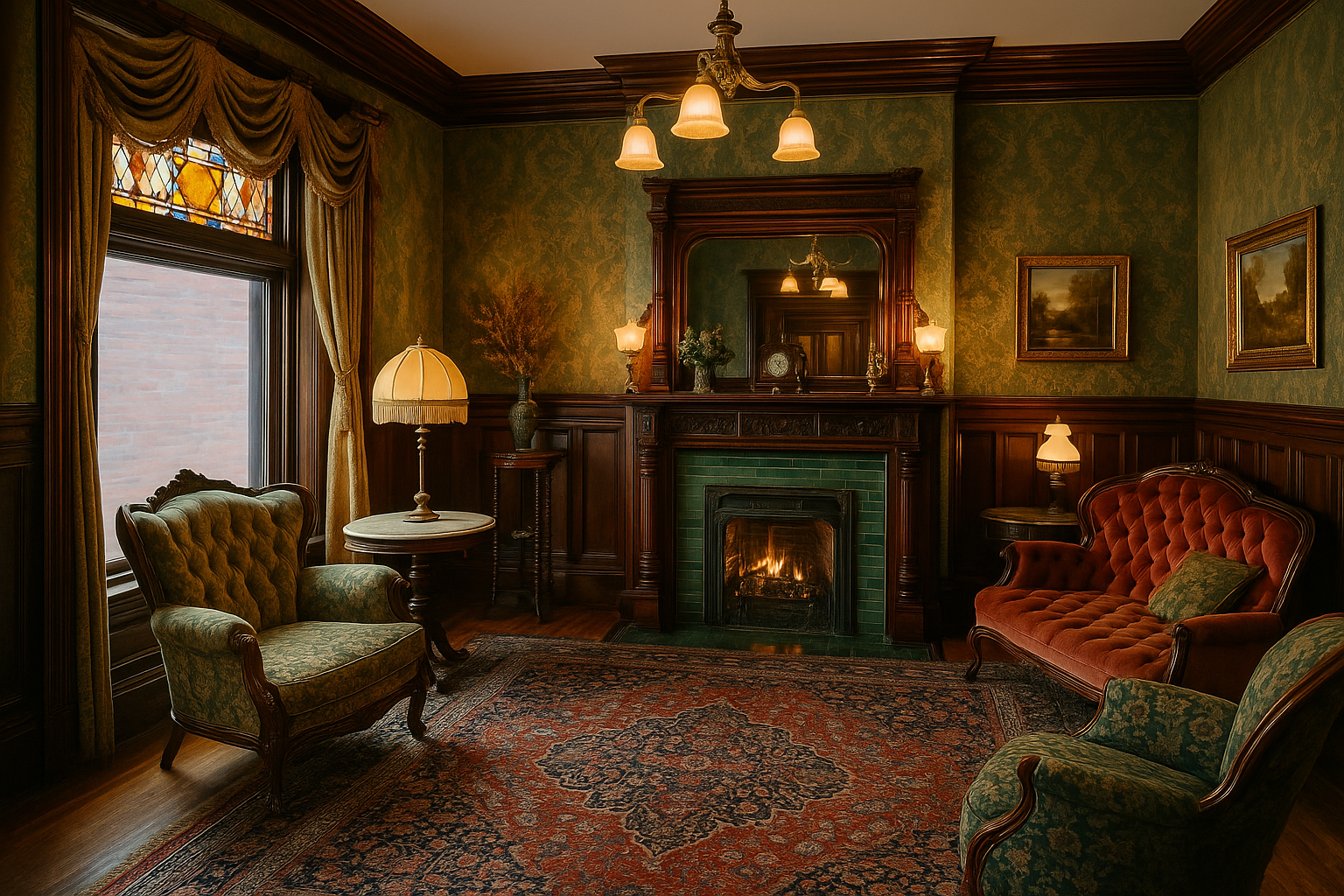
Parlors: The social heart. These were dressed with heavy drapery, patterned rugs, and upright pianos. In cities, parlors doubled as proof of refinement—guests always saw them first.
Kitchens: Less glamorous. Cast-iron stoves replaced open hearths, but kitchens still had scrubbed wooden tables and stone sinks. Work, not display.
Bedrooms: Often narrow but tall. Iron bedsteads were common, layered with quilts. Fireplaces or stoves kept rooms warm. Closets were still tiny or nonexistent.
Stair Halls: Grand in Victorians, plain in farmhouses. A Queen Anne might have carved oak railings and stained glass on the landing. A farmhouse stair could be simple pine boards with whitewash.
Lesson: The interiors tell you exactly who lived there and what mattered most—status or practicality.
Exterior Characteristics of 1890s Homes
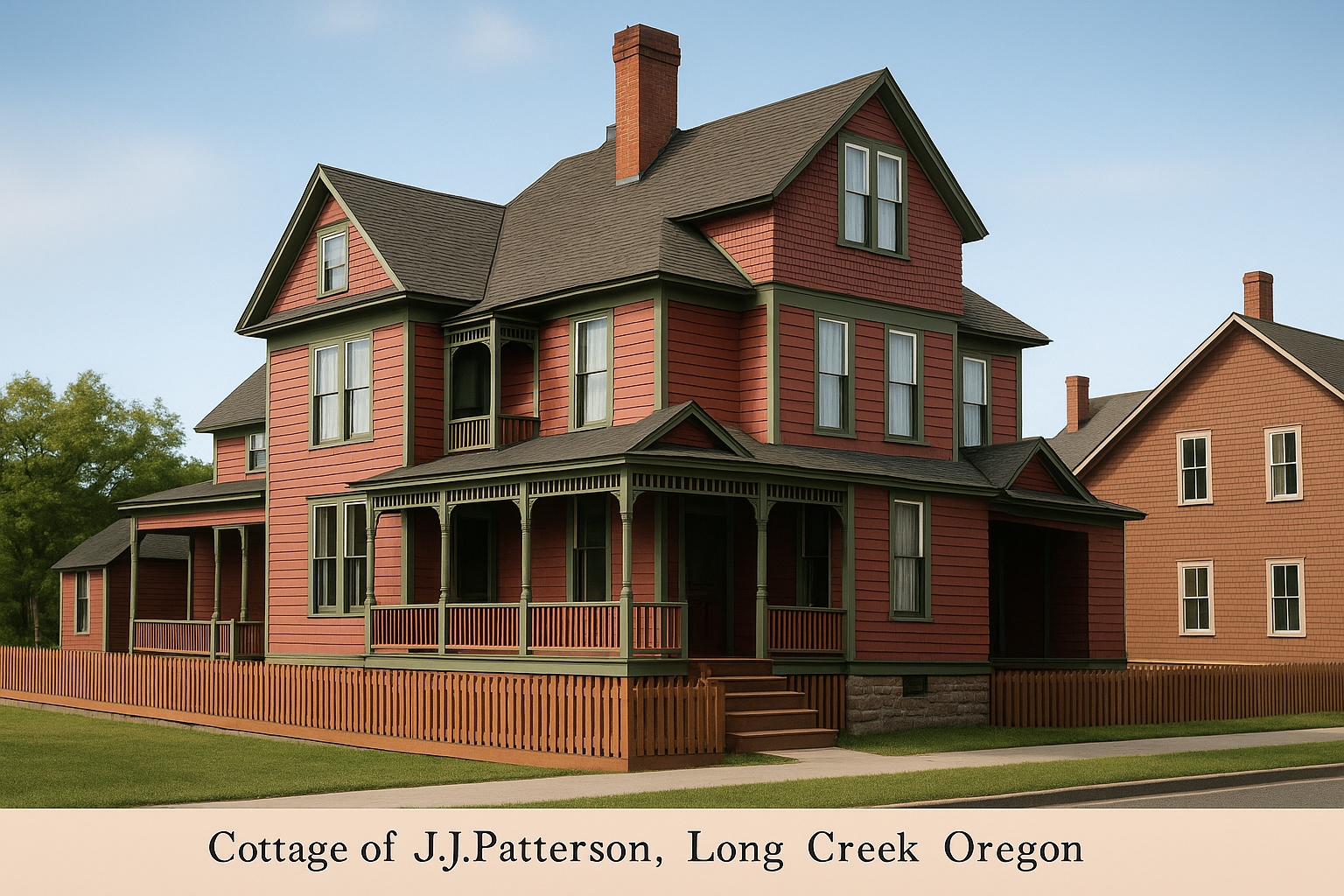
Walk down a street of 1890s houses and you’ll see complexity everywhere. Builders pushed past the simpler 1880s forms and leaned into dramatic shapes. Rooflines broke into multiple slopes, towers rose from corners, and porches wrapped around entire facades.
Form and Shape
Most houses of the 1890s were tall and asymmetrical. Queen Anne homes had turrets and projecting bays, while farmhouses stretched wide with long porches. In cities, rowhouses stacked vertical space with narrow but elegant fronts.
Materials
Brick dominated in urban areas because it was fire-resistant and durable. Farmhouses leaned on wood siding with stone foundations. Shingles were used decoratively, cut into scallops or diamonds to break up flat walls.
Rooflines
No simple roofs here. Mansards still showed up in Second Empire houses, but steep gables, cross-gables, and cone-shaped tower roofs defined the decade. Roofs weren’t just shelter—they were showpieces.
Ornamentation
This was the height of trim detail. Porches dripped with spindles, railings, and brackets. Stained glass lit stair halls. Cornices carried carved details or patterned brick. Even gutters sometimes had decorative brackets.
Tip for Renovators
Do not strip this detail. Once you remove brackets, turned posts, or stained glass, the house loses its character. Restore what you can and use accurate replicas when replacement is unavoidable.
Interior Characteristics of 1890s Homes
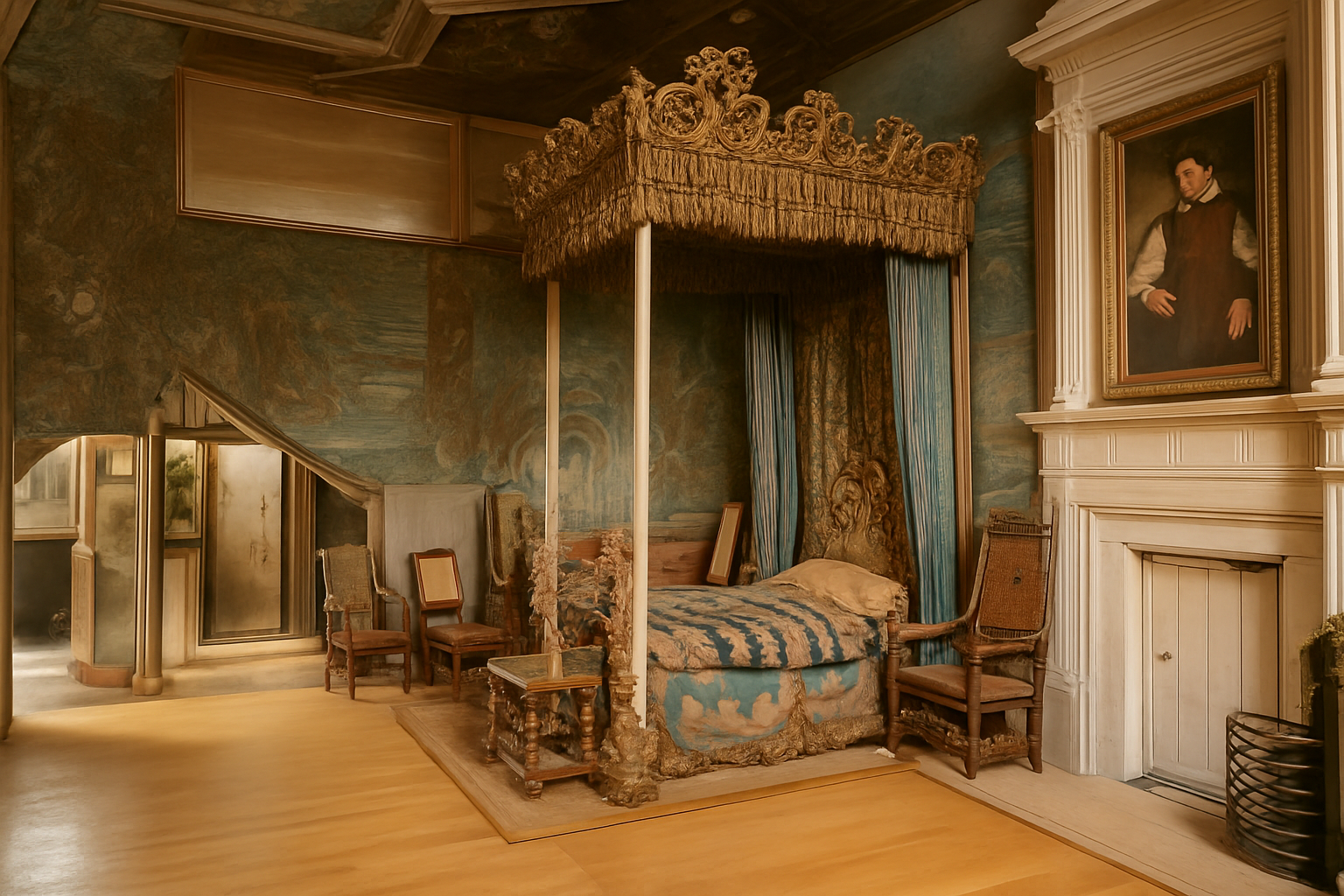
Step inside a 1890s home and you immediately feel the weight of craftsmanship. These were houses designed for display as much as for living.
Layout
Rooms were still separated into functions: parlors for guests, dining rooms for meals, kitchens kept to the back. But larger openings between spaces hinted at a shift toward flow. Pocket doors, folding partitions, and wide archways gave flexibility.
Floors and Walls
Hardwood floors—oak, maple, or pine—dominated. Floors were sometimes inlaid with borders or patterns. Walls were plastered smooth but almost always dressed in heavy wallpaper, often floral or geometric. Wainscoting and wood paneling were common in dining rooms and halls.
Fireplaces and Fixtures
Nearly every main room had a fireplace, often with carved mantels, tile surrounds, or mirrored overmantels. Light fixtures moved from gas to early electricity during this period, so you’ll find hybrid gas-electric chandeliers in many surviving homes.
Style Details
Expect ornate woodwork: staircases with carved newel posts, paneled doors, and wide baseboards. Leaded or stained glass showed up in transoms, stair windows, and sometimes cabinet doors. Ceilings could be coffered or pressed tin in higher-end homes.
Lesson for Modern Use
Keep the proportions. High ceilings, tall windows, and layered trim gave these interiors their power. Even if you modernize, use height, depth, and detail to avoid turning the home into a flat box.
Regional Differences in 1890s Homes
United States
In the U.S., the 1890s were the peak of Victorian variety. Queen Anne houses sprouted turrets and wraparound porches in growing suburbs. In the Midwest, farmhouses were more restrained but still carried decorative shingles and deep porches. Cities like New York and Boston saw brick rowhouses dressed with brownstone trim, balancing fire safety with style.
Canada
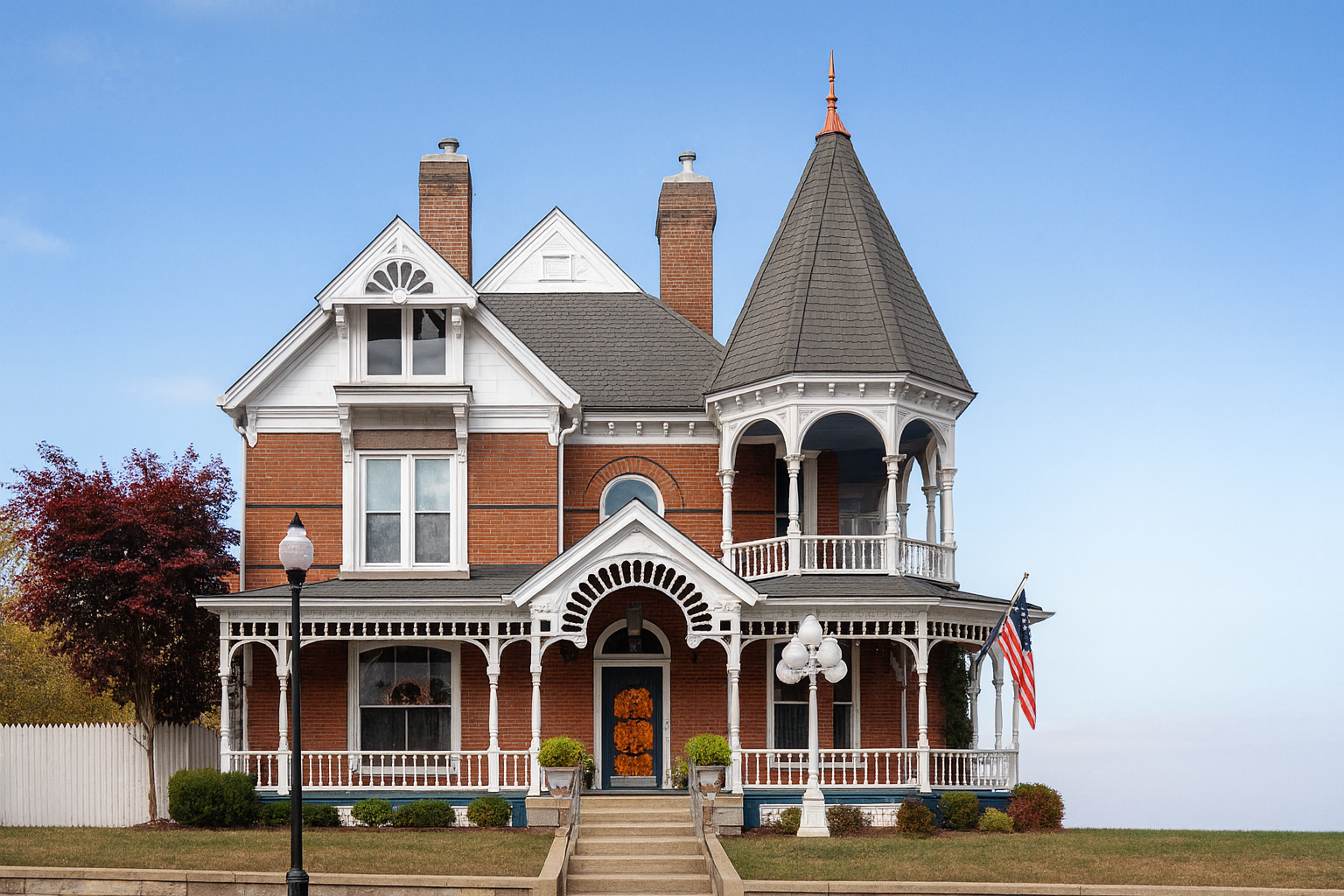
Canadian homes of the 1890s leaned on red brick and stone foundations, with Gothic Revival gables still popular. In Ontario and Quebec, many houses used local stone and steeper roofs for snow. Prairie homes had wide porches and simpler trim, influenced by farm practicality.
United Kingdom
Britain entered the late Victorian era. Terraced houses dominated cities, with red brick, bay windows, and small front gardens. In the countryside, Queen Anne Revival mixed asymmetry with red brick and white trim, while Arts and Crafts influence began creeping in with natural materials and handcrafted details.
Europe Beyond Britain
On the continent, styles split. France still showed Beaux-Arts grandeur, while Germany leaned into ornate brick and stucco villas. In Scandinavia, wood construction and steep gables reflected climate more than ornament. Each region tied its design tightly to available materials and local conditions.
Famous 1890s Houses That Still Stand
The Carson Mansion (Eureka, California, 1892)
Often called the most photographed Victorian in America, this Queen Anne masterpiece is a riot of towers, porches, stained glass, and carved wood. It shows just how far ornamentation could go when money was no object.
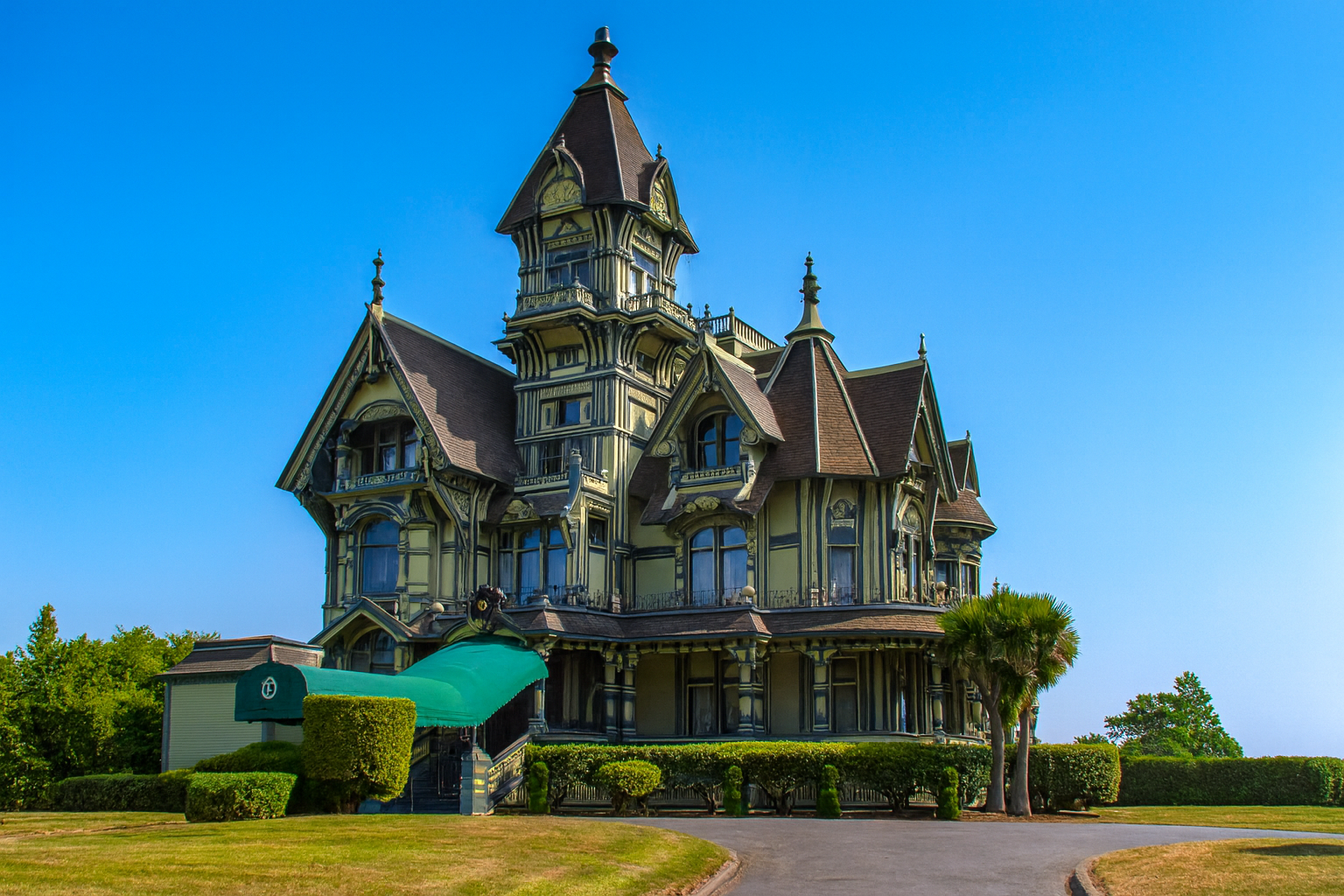
The Gamble House (Pasadena, California, 1899–1908)
Built at the end of the decade, this Greene and Greene home marks the transition from high Victorian to the Arts and Crafts style. Wide overhangs, wood joinery, and integration with the landscape signaled a new design direction.
Victorian Terraces in London
Rows of 1890s terraces still define parts of London. Brick facades, bay windows, and iron railings made them practical yet elegant. These remain some of the most lived-in Victorian homes in Britain.
Canadian Queen Anne Homes in Toronto
Neighborhoods like Cabbagetown and Rosedale are filled with 1890s Queen Anne houses. Towers, stained glass, and rich brickwork still stand, often restored as family homes.
Case Study: The J. Wallace Johnson House in Bloomington
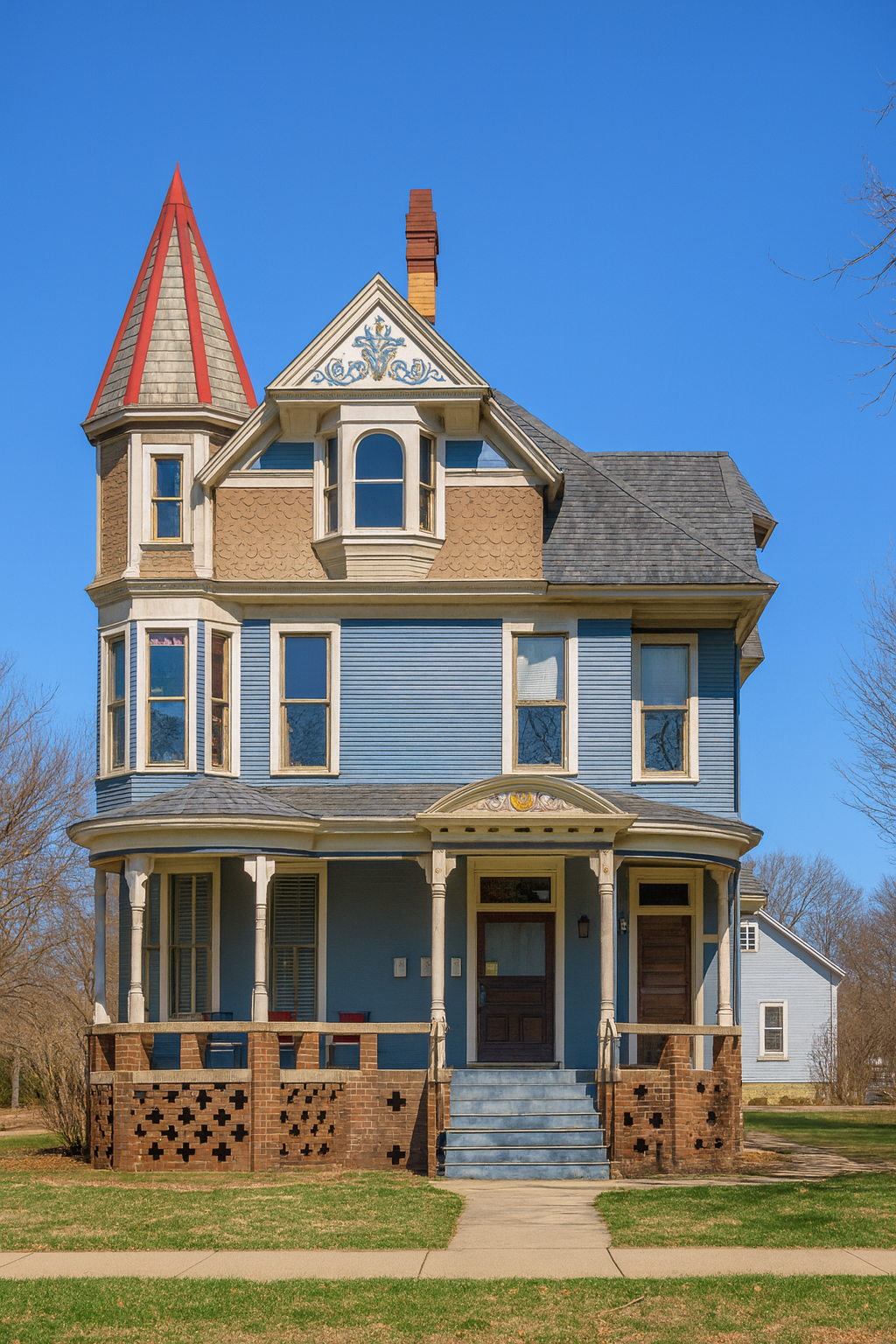
The J. Wallace Johnson House is a 2½-story Queen Anne home built in the early 1890s. It sits at the northeast corner of Franklin Square, a district filled with late 19th- and early 20th-century styles. Johnson, born in 1847 to a farming family in West Virginia, made his money as a livestock dealer in Illinois. By the 1890s he retired from farm life and built this statement home in town.
Queen Anne Style in the 1890s
The house shows the hallmarks of Queen Anne design: steep roofs, asymmetrical massing, bay windows, and wood trim that gave depth and decoration. In the 1890s, this style was the mark of success. It was detailed, eye-catching, and built to be seen.
From Farmhouse to City Home
Johnson’s move also tells a bigger story about the era. Many prosperous farmers and merchants of the 1890s left rural houses behind and built grand homes in town squares and city neighborhoods. The Queen Anne style was the perfect fit for this transition from simple function to visible status.
Later Changes and Historic Status
By the 1940s, like many large Victorians, the Johnson House was divided into apartments. Yet its structure and style survived. Today, it is a contributing property in Bloomington’s Franklin Square Historic District. Franklin Square itself was listed on the National Register of Historic Places in 1976 and designated locally in 1979.
Why This House Matters for 1890s Styles
The Johnson House shows how Queen Anne design blended personal wealth, craftsmanship, and civic pride. Alongside Italianate, Colonial Revival, and Richardsonian Romanesque neighbors in the district, it represents the architectural mix of the 1890s. Even altered, it still teaches us what that era valued: detail, proportion, and presence.
Victorian House Circa 1890: What Builders Got Right
Builders in the 1890s nailed a few things we still copy today:
-
Scale: Rooms were human-sized, even in big houses. Tall ceilings and narrow footprints gave proportion without waste.
-
Craftsmanship: Trim, railings, and mantels were hand-done. Even modest homes carried details modern builders rarely match.
-
Materials: Brick, stone, and solid timber. Many homes from the 1890s are still standing because they were built with permanence in mind.
-
Porches and Windows: Outdoor living and natural light mattered. Wraparound porches and big windows are now staples of modern “new old” homes.
Lesson: The 1890s combined function with flourish. Builders gave everyday homes charm while anchoring them in materials that outlasted fashion.
Renovating 1890s Homes: What You Need to Know
The Hidden Problems First
Working on a house from the 1890s always reveals surprises. Expect sagging joists, outdated wiring, and plaster that crumbles as soon as you touch it. Matching brick, wood trim, or slate roofs can drain time and money. Budget at least 20 percent extra for the things you will find once walls open.
What’s Worth Saving
Don’t rip out original wood mantels, pocket doors, or stained glass. Those are the soul of a 1890 home. Once they’re gone, they’re gone. Work with craftspeople who can repair and replicate trim or plaster instead of covering it with drywall.
Where the Money Goes
Structure and systems come first: roofs, foundations, chimneys, wiring, plumbing. Leave paint, kitchens, and finishes for later. A simple roof restoration on a Victorian tower can cost more than a modern flat roof, so set realistic priorities.
Restoring an 1890s Home: Problems, Costs, and Tips
Restoring an 1890s home can be both inspiring and punishing.
Common Problems
-
Knob-and-tube wiring hidden in walls.
-
Lead paint and asbestos in finishes.
-
Rotten porches, sagging foundations, leaking slate roofs.
Costs and Pitfalls
Expect structural fixes before beauty. Roofs, chimneys, and foundations come first. Labor to replicate wood trim or stained glass can run thousands. Always add 20–30% to whatever budget you think is enough.
Tips That Work
-
Keep original windows and restore them. Old growth wood lasts longer than modern replacements.
-
Salvage period materials from architectural resellers for authentic repairs.
-
Photograph every detail before demo—so you can replicate when repairs demand it.
How to Keep the 1890 Look Without Freezing in Time
Use Height to Your Advantage
Tall ceilings and windows defined the 1890s. Even narrow rooms felt generous because of vertical proportions. Copy that effect with floor-to-ceiling curtains, tall shelving, and open sightlines. Don’t chop the height with drop ceilings or bulky cabinets.
Open Plans, Not Empty Boxes
Yes, modern life needs flow. But if you knock out every wall, you erase the history. Open dining and kitchen spaces carefully, leaving arches, trim, or beams in place so the house still feels like it belongs to its era.
Built-In Sustainability
Thick brick walls, real wood floors, high windows for air movement—1890 builders already worked with passive cooling and long-lasting materials. Keep what you can. Refinish original wood instead of replacing it. Restore old windows with modern glazing instead of swapping them for vinyl.
Lessons from Real Projects
One family in Toronto bought an 1890 Queen Anne with a tower and wraparound porch. The cost of restoring the porch railings was higher than their kitchen remodel, but the result was a home that kept its character and added value.
Another owner in Chicago tried to “modernize” by stripping trim and covering brick with stucco. The house lost its detail and resale appeal. The lesson: renovations should evolve the house, not erase it.
Adapting 1890s Charm to Modern Life
Energy Efficiency Without the Plastic
Upgrade insulation, HVAC, and glazing, but keep the craftsmanship visible. Vinyl siding and synthetic finishes kill value and breathability.
Mix Old and New Inside
Pair a restored wood mantel with a sleek modern sofa. Use antique chandeliers with LED bulbs. Keep one traditional library or parlor, and let other spaces feel fresh and open.
Respect Proportions
The easiest way to keep an 1890s home feeling right is to respect its scale—tall windows, narrow halls, deep porches. Copy those proportions in any new additions or renovations.
Hard Truths About 1890s Homes
-
Not low-maintenance. Delicate trims and wood need constant care.
-
Restorations can stretch budgets far beyond modern builds.
-
These homes reward patience and skill, not quick flips.
Hidden Features You Might Find
-
Secret compartments in staircases or mantels.
-
Coal storage chutes in basements.
-
Decorative vents, transoms, and pocket doors buried under renovations.
Why 1890s Homes Still Work
-
Builders knew proportion and detail.
-
Materials lasted.
-
Layouts, though formal, still adapt well to modern life with careful renovation.
1890s Victorian Houses vs Farmhouses: The Key Differences
Victorian houses of the 1890s and the farmhouses built in the same decade couldn’t be more different. The split shows what wealth, location, and purpose did to architecture.
Victorian Houses
-
Ornamentation everywhere: stained glass, carved brackets, decorative shingles, wraparound porches.
-
Layouts were formal. Parlors for receiving guests, separate dining rooms, and libraries if money allowed.
-
Materials leaned decorative. Painted wood in bold colors, patterned brick, iron railings.
Farmhouses
-
Built for work first. Simple gable roofs, central chimneys, wide porches for shade and chores.
-
Interiors were open and plain. One or two large rooms downstairs, bedrooms above.
-
Materials were what was available locally—often timber and clapboard siding.
What you learn: The 1890s show how style followed status. Victorian design was about display, farmhouses about survival.
FAQ
What materials were common in 1890 homes?
Brick, stone, and real wood were everywhere. Floors were often hardwood like oak or pine, while lime plaster covered the walls. Trim was usually hand-carved wood. Vinyl or drywall did not exist yet.
How much does it cost to renovate an 1890 house?
Costs vary, but full restorations often run six figures. Roofs, foundations, and systems eat most of the budget. A Victorian porch rebuild alone can cost twenty to thirty thousand. Always add a 20 to 30 percent buffer for hidden surprises.
What are the biggest problems in 1890 homes?
Old wiring such as knob-and-tube, weak foundations, hidden rot in framing, and failing plaster. Lead paint and asbestos sometimes show up too. Windows and doors are often drafty if never upgraded.
Can you make an 1890 home energy efficient?
Yes, but you need to do it carefully. Add insulation where possible, restore windows with double glazing, and use breathable paints. Never wrap old brick or wood in vinyl or it will trap moisture and cause bigger problems.
What styles were popular in the 1890s?
Queen Anne was the star, with towers and wraparound porches. Italianate and Folk Victorian were still built, especially in rural areas. Second Empire lingered in some cities with its mansard roofs.
Are 1890 houses safe to live in?
They can be, but only if systems are updated. Electrical, plumbing, and heating all need modern standards. Structurally, many are still strong because of the materials used. The danger is when hidden problems go unchecked.
Why do people still buy 1890s homes?
For craftsmanship and character you cannot get today. Trim, stained glass, and proportions are unmatched. New houses rarely have the same feel. Restorations are costly, but when done right, they hold value and stand out.
Are there hidden features in 1890 houses?
Yes. Many had secret compartments in staircases, panels near fireplaces, or small storage areas built into walls. Builders were clever with space and often added details modern houses skip.
Related
- 1890s Victorian Houses vs Farmhouses: The Key Differences
- The 1890 Caroline House and Other Real Examples
- What Life Looked Like Inside an 1890 House
- Restoring an 1890s Home: Problems, Costs, and Tips
- Victorian House Circa 1890: What Builders Got Right