Home
Studying it · Building it · Renovating it — Free since 2008

Main navigation

  • Home
  • Architecture
  • Construction
  • Renovation
  • Materials
  • Interiors
  • Calculators

Breadcrumb

  1. Home
  2. Rustic Homes: Design, Decor, and Modern Adaptations

Rustic Homes: Design, Decor, and Modern Adaptations

Rustic living room with a fireplace, wall behind it featuring chandeliers and armchairs nearby.

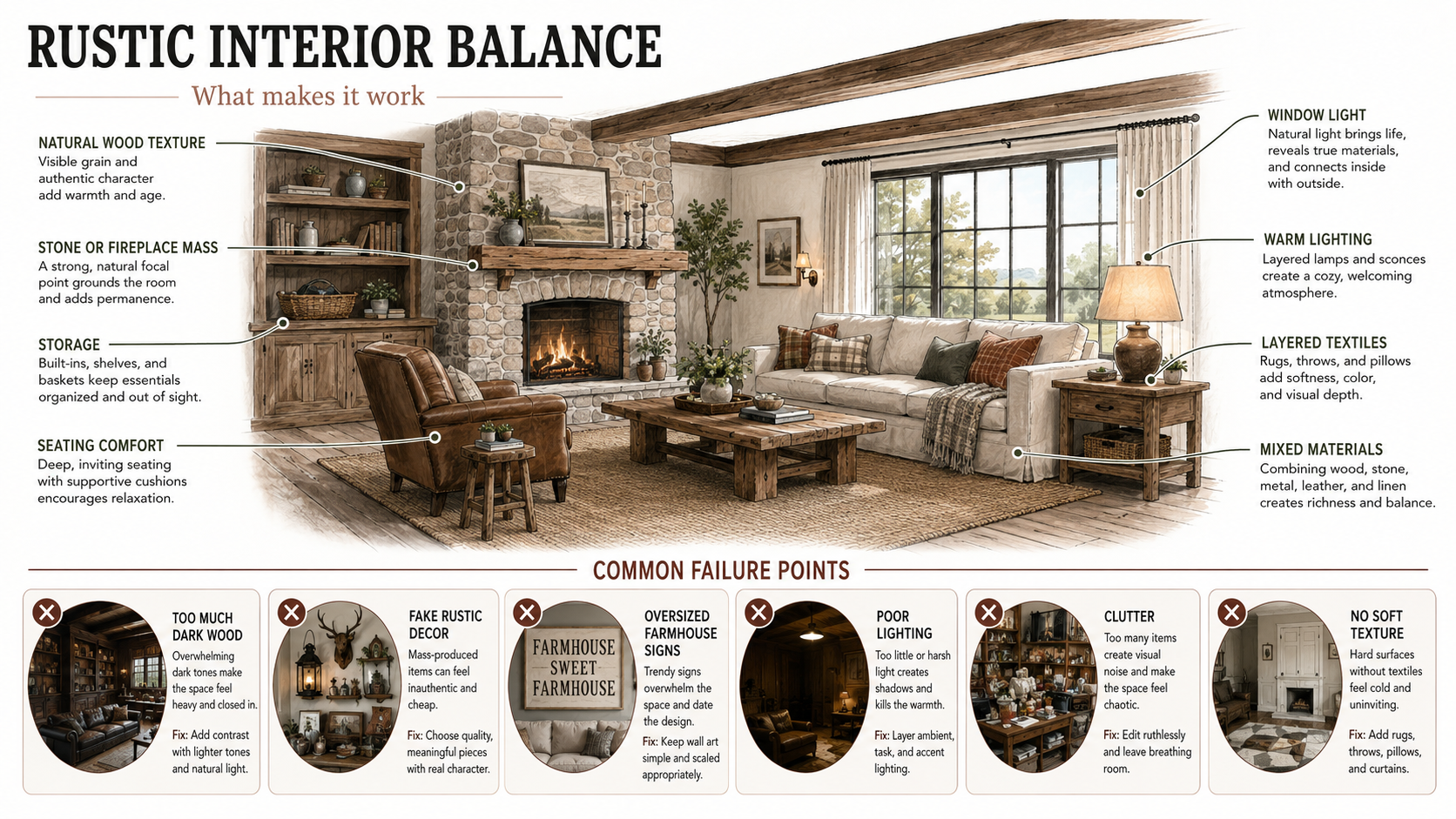
Rustic design is less about decoration and more about materials.

Wood, stone, texture, warmth, and a room that feels settled. That is the draw. Done well, rustic interiors feel calm and lived in. Done badly, they start looking staged.


What is Rustic Design?

Rustic interior with dining area and bed in a stylish flat with brick walls.

Rustic interior featuring a dining area and bed in a stylish flat with exposed brick walls.The Comprehensive Guide to Mastering Rustic Design

  • The Essence: Rustic living revolves around simplicity, warmth, and the use of natural materials like wood, stone, and metal. It values authenticity, where every knot in the wood or imperfection in a stone tells a story.
  • Celebrating Organic Elements: Think unpolished surfaces, handwoven textiles, and earthy tones that ground your space in nature.
  • Origins: Born from traditional farmhouses and countryside cabins, rustic aesthetics have evolved to blend with modern sensibilities without losing their charm.

Why is Rustic Design So Popular?

Cozy rustic interior with a green armchair and a charming rustic wall, blending modern and classic design.

A cozy rustic interior featuring a green armchair and a rustic wall, combining modern and classic rustic elements beautifully.

  • Versatility: Whether you’re decorating a city apartment or a mountain retreat, rustic design adapts seamlessly to different settings.
  • Cultural Appeal: It resonates across cultures and eras, from Scandinavian hygge to American farmhouses, because of its focus on comfort and simplicity.
  • Modern Interpretations: Today, rustic design blends effortlessly with industrial, contemporary, or minimalist styles, giving it a fresh, updated feel without losing its roots.
The Mother of All Rustic Courses:

This isn’t just another overview of rustic design—it’s the guide. Designed for homeowners, students, and professionals alike, our course leaves no stone unturned. Whether you’re crafting a cozy living room, designing an outdoor retreat, or ensuring a seamless blend of rustic with other styles, this course will teach you everything, step by step.

  • From Experience, Not Theory: Every lesson draws from real-world projects and years of hands-on expertise. We’ve faced challenges, solved them, and now share those lessons with you.
  • Avoid Costly Mistakes: From choosing the wrong materials to overdecorating, we pinpoint the common pitfalls and how to avoid them.
  • For Everyone: Whether you’re a student of design, a DIY enthusiast, or a professional architect, our course equips you with the tools, techniques, and confidence to bring rustic style to life.

This guide is your ultimate starting point, branching into specific themes like rustic interiors, exteriors, and even modern-rustic hybrids. 

We don’t just talk about rustic design—we live it, teach it, and empower you to create spaces that are as beautiful as they are functional. Let’s explore the essence of rustic living and see how it can transform your next project.


The Essential Characteristics of Rustic Homes

What Makes a Rustic Home? Key Features Explained


Key Characteristics of Rustic Homes: What Makes a Rustic Home?

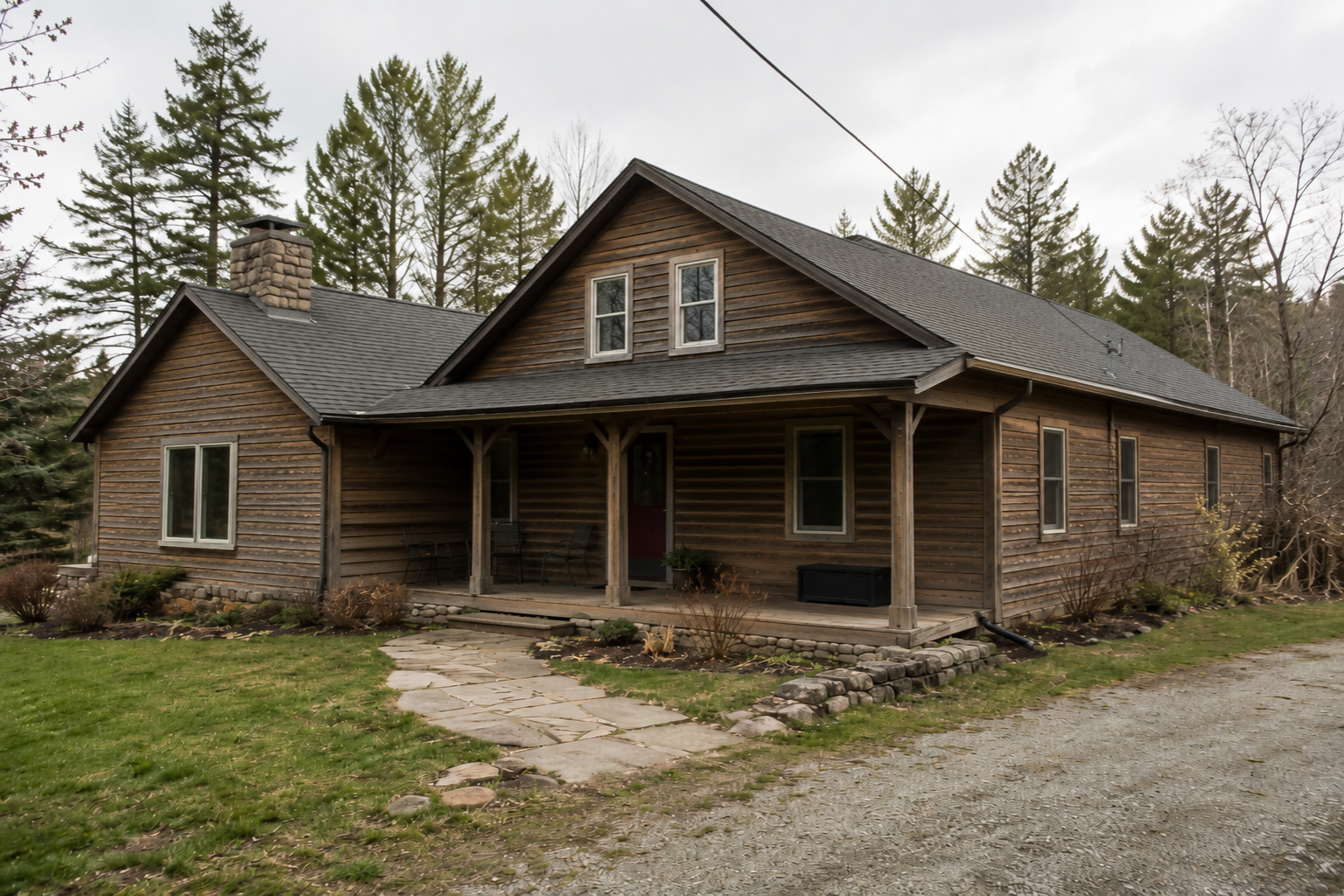
Old rustic house in good condition near a dense forest.

A rustic house made of natural materials like wood, in great condition, surrounded by a serene dense forest.

Rustic homes capture the essence of nature and simplicity, offering warmth and charm through thoughtful material choices and design elements. Here's what makes them stand out:

Quick Review:

Defining Rustic Homes: Key Features and Design Principles

Natural Materials: The Backbone of Rustic Design

Rustic interiors rely on authentic, natural materials to create a timeless appeal:

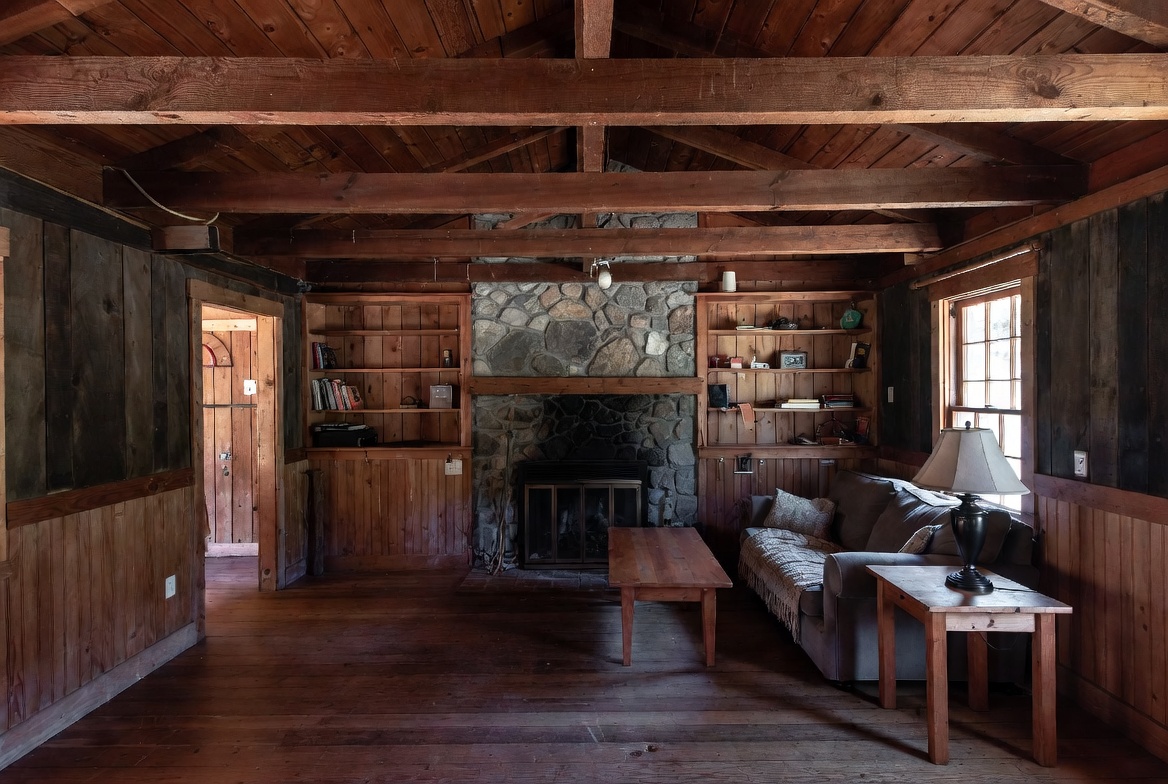
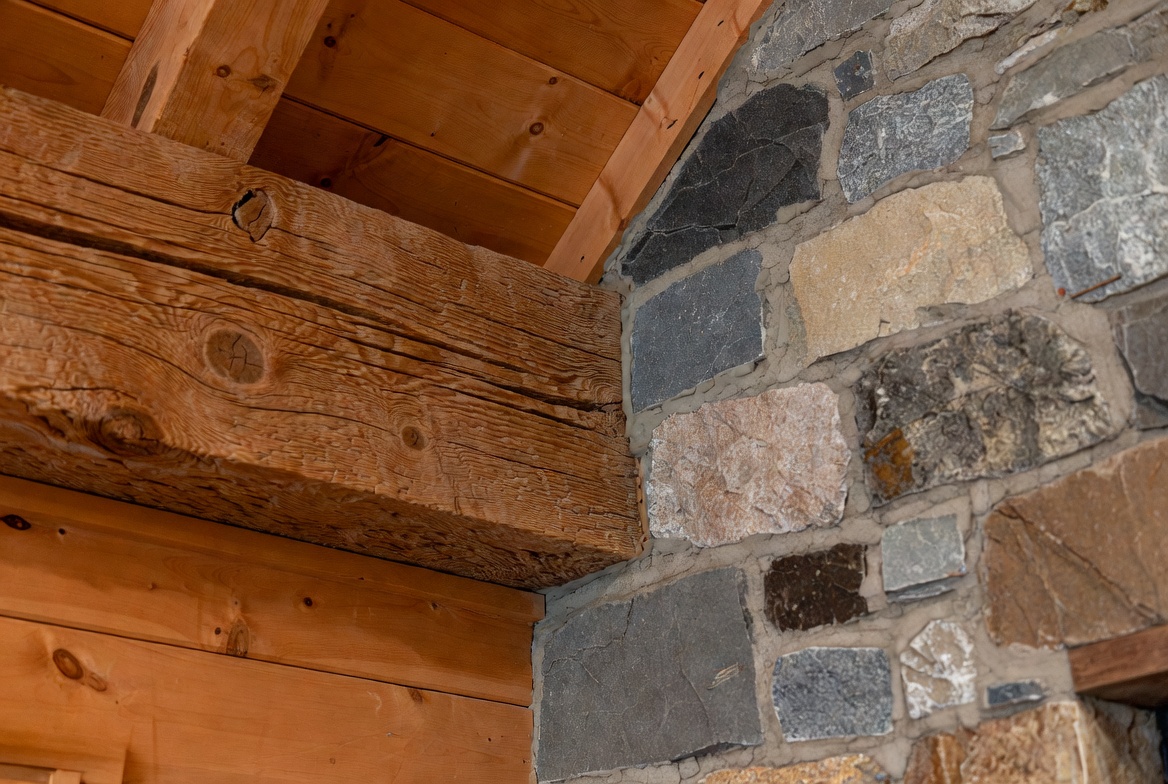
  • Woodwork Wonders: Exposed beams, reclaimed wood paneling, and solid log furniture bring texture and warmth.
  • Stone Accents: Rough-hewn stone fireplaces, natural stone flooring, and accent walls add a grounded, earthy feel.
  • Metal Details: Rustic iron light fixtures, copper sinks, and brass cabinet handles provide durability and understated elegance.
  • Textiles for Comfort: Soft wool throws, cotton drapes, and burlap pillows add coziness to the rugged aesthetic.

Tip: Mixing wood and metal in furniture or decor can balance the rustic vibe while keeping it fresh.

Earthy Color Palettes: Inspired by Nature

Rustic homes use muted tones and natural shades to create a serene atmosphere:

  • Start with warm neutrals like beige, taupe, and cream as the base.
  • Incorporate deep browns and muted greens for richness.
  • Add subtle accents like terracotta, charcoal, or dusty blues for variety.

Example: Pair a soft beige wall with a weathered wooden bench and olive-green cushions for a balanced rustic palette.

Textures: Bringing Depth and Interest

Wooden wall mirror on a brick wall with dark rustic tones.

Rustic wooden wall mirror placed on a brick wall, featuring dark tones and a distinctive aesthetic.

Rustic spaces thrive on tactile appeal. Layering textures makes these homes inviting:

  • Raw Wood Surfaces: Unfinished or distressed wood tables and shelves.
  • Textured Stone: From smooth river rock to rugged flagstone, stone features add dimension.
  • Layered Fabrics: Wool rugs, linen curtains, and chunky knit throws add softness.

Quick Fix: A sheepskin rug draped over a wooden chair is a classic rustic touch.

Architectural Details: Form Meets Function

Rustic architecture is as functional as it is beautiful:

  • Exposed Beams: A hallmark of rustic design, adding structure and charm.
  • Grand Fireplaces: Often made of stone, they serve as the centerpiece of the living area.
  • High Ceilings: Create an open and airy feel reminiscent of old barns or lodges.

Design Features: Comfort with Character

Rustic homes balance openness with coziness:

  • Open Floor Plans: Encourage flow between living, dining, and kitchen areas.
  • Cozy Nooks: Reading corners, window seats, or tucked-away desks add charm.
  • Large Windows: Bring in natural light and connect the indoors with outdoor views.

Texture and Finishes: Rugged Yet Refined

Rustic interiors shine through their natural finishes:

  • Unfinished or Weathered Wood: Adds authenticity to furniture and flooring.
  • Matte and Distressed Finishes: Keep the look grounded and understated.
  • Layered Accents: Combine soft fabrics like throws and cushions for warmth.

Pro Tip: Keep the finishes consistent but don’t be afraid to experiment with contrasting textures, like pairing smooth leather chairs with a rough stone table.

Practical Tip for Beginners

Start small—try incorporating a reclaimed wood coffee table, a stone centerpiece, or woven textiles to dip your toes into rustic design. Before you know it, your space will radiate natural beauty and inviting warmth.


Materials and Design: Creating Stunning Rustic Exteriors

Learn about the best material choices, including wood, stone, and metal roofs, for a classic rustic look.


Details:

Exterior Features of Rustic Design: Creating a Harmonious Connection with Nature

Elegant rustic house exterior with a timeless design.

The elegant exterior of a rustic house, showcasing a blend of classic and natural charm.

Rustic home exteriors are all about creating a welcoming, natural aesthetic that harmonizes with the surrounding environment. 

Whether it's a cozy cabin in the woods or a modern rustic retreat in the suburbs, these elements set the stage for a home that feels both timeless and personal. 

Drawing on years of experience and real-world examples, let’s explore the key features that make rustic exteriors stand out and how you can incorporate them into your own home.

Why Focus on Rustic Exteriors?

A rustic farmhouse with natural materials and a timeless charm.

A charming rustic farmhouse showcasing natural materials and a cozy, inviting design.

A rustic exterior isn’t just about looks—it’s about creating a story for your home. It reflects a lifestyle rooted in simplicity, functionality, and a deep appreciation for natural beauty. The right materials and design choices can:

  • Increase curb appeal and property value.
  • Create a warm, inviting impression for visitors.
  • Blend seamlessly with the natural surroundings.

Rustic Exterior Ideas: Balancing Natural Beauty and Practicality

Rustic stone wall with a white armchair next to a standing lamp in the room.

Cozy rustic room with a stone wall, featuring a white armchair and a standing lamp for added warmth.

Learn how to use materials like wood and stone to create an authentic yet functional rustic exterior.

Material Choices: Building with Nature

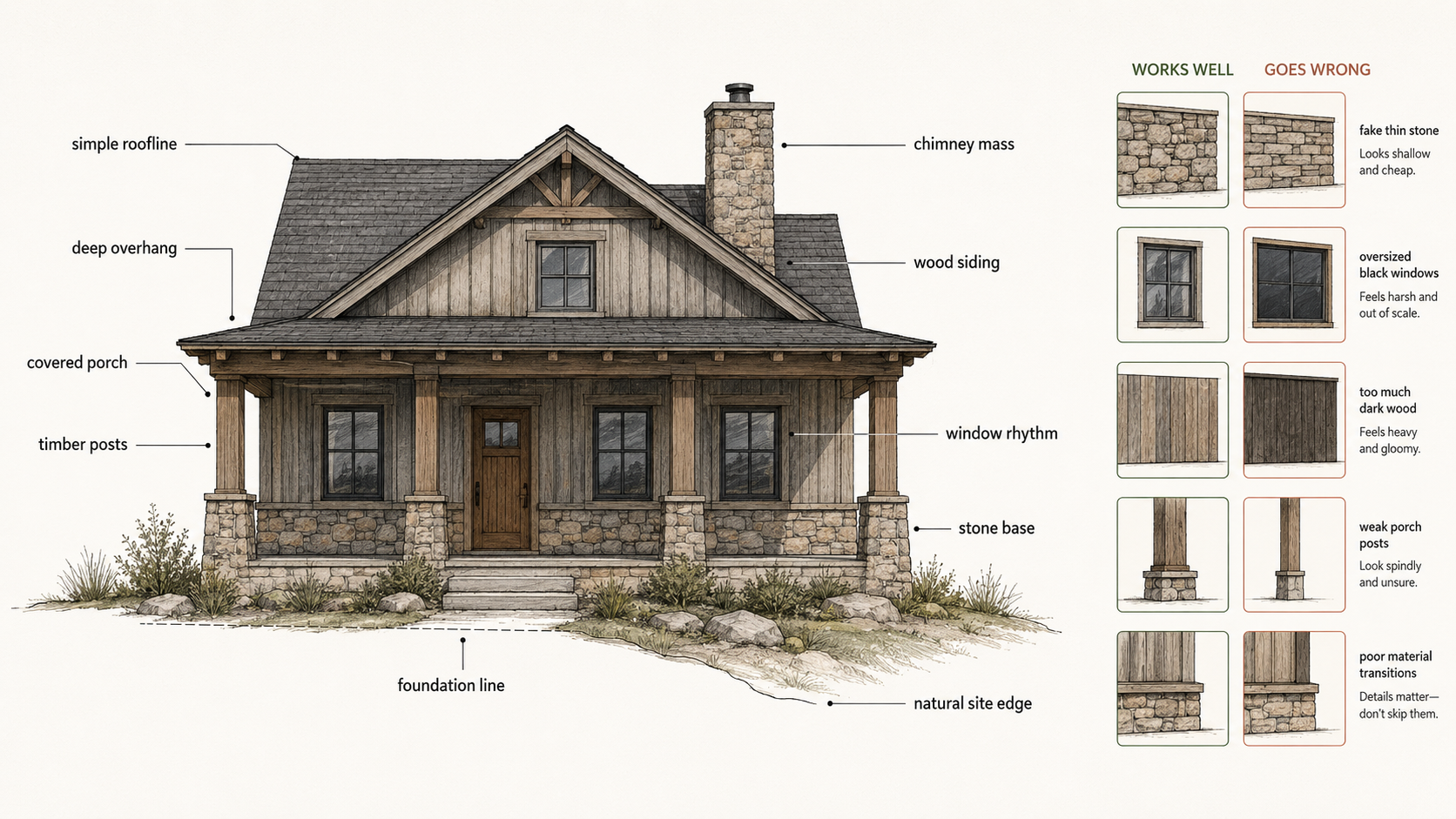
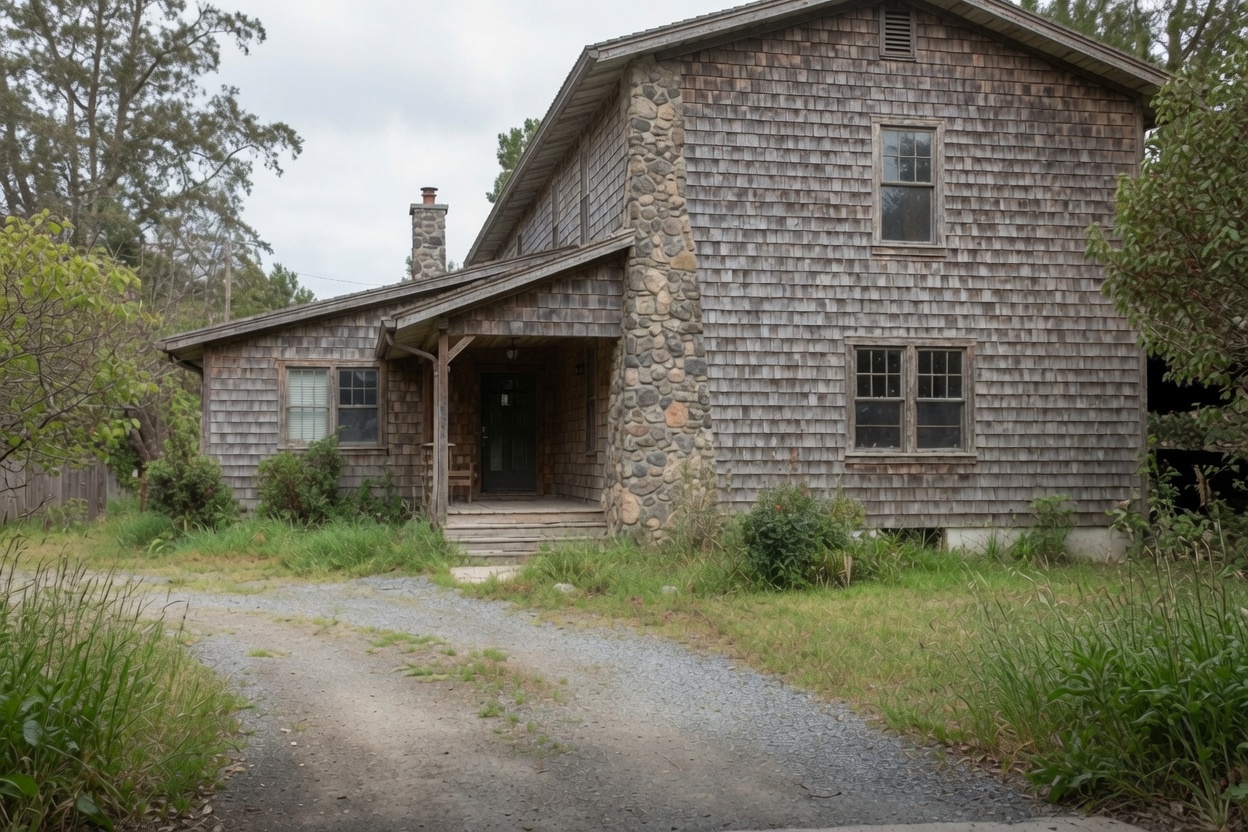
  • Wood Siding: Go for reclaimed wood or board-and-batten siding to add warmth and authenticity. For example, cedar siding not only looks great but also resists decay, making it practical for harsher climates.
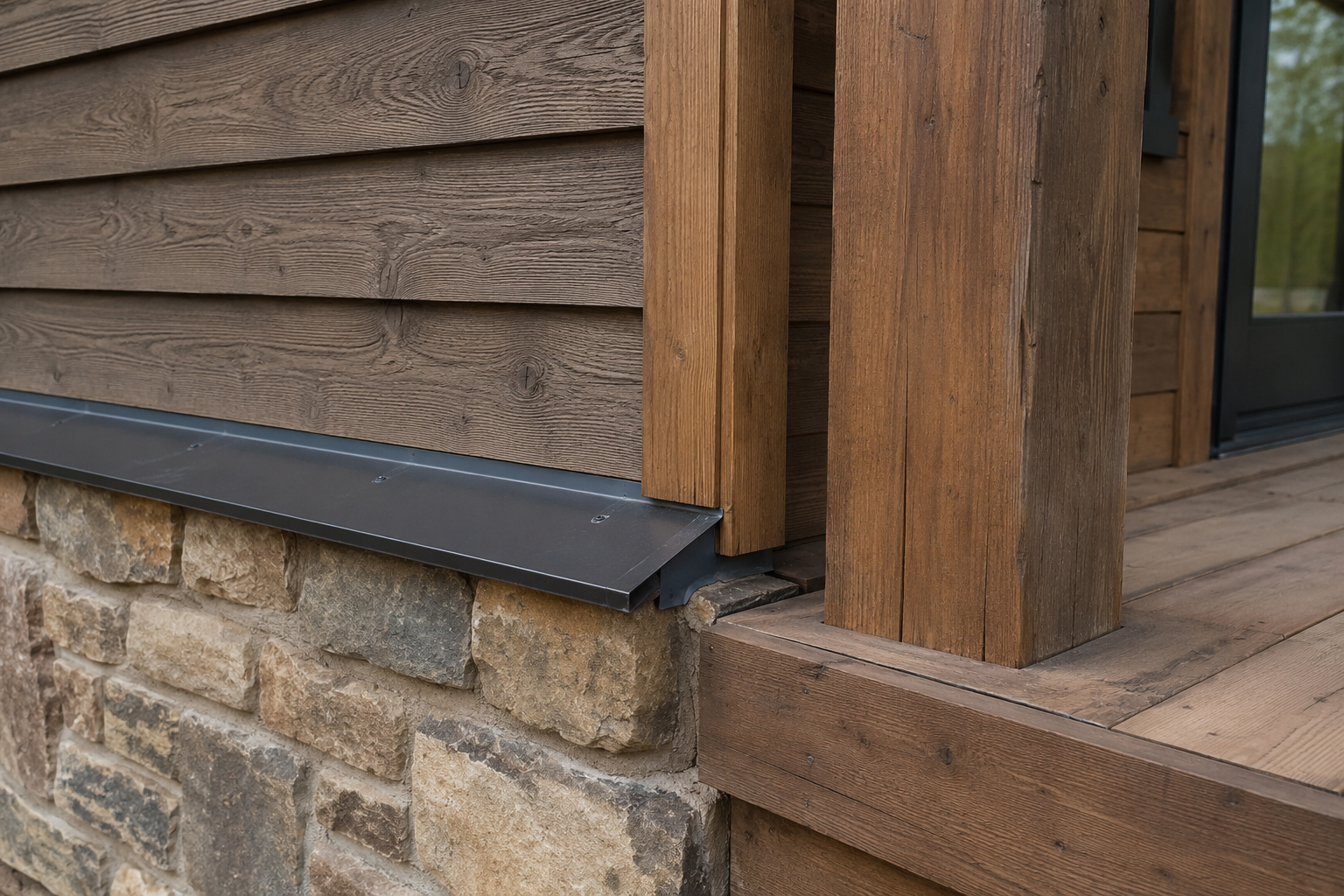
  • Stone Facades: Fieldstone or river rock brings texture and durability. Consider combining stone with wood for a balanced look, like a stone base with timber-framed accents.
  • Metal Roofs: Choose weathered finishes like copper or rusted steel for a rustic vibe that’s also eco-friendly and durable. Metal roofs often outlast traditional shingles, making them a smart investment.

Pro Tip: Mix materials to create contrast and visual interest, like pairing wood siding with stone columns or a metal roof with timber eaves.

Design Elements: Features That Define Rustic Charm

  • Wraparound Porches: A signature of rustic homes, these porches extend living spaces outdoors. Furnish them with rocking chairs, outdoor rugs, and potted plants to create a cozy retreat.
  • Large Windows: Maximize natural light and embrace the scenery with oversized windows. Think floor-to-ceiling glass for a modern rustic twist or divided-light windows for a classic feel.
  • Natural Landscaping: Ditch manicured lawns for native plants, gravel pathways, and stone retaining walls. This not only looks authentic but also reduces maintenance and supports local ecosystems.

Example: A cabin in Colorado uses a mix of wildflowers, natural stone steps, and cedarwood siding to blend seamlessly into the surrounding forest.

Entryway Features: Welcoming with Rustic Elegance

  • Rustic Doors: Opt for solid wood doors with iron hardware. A reclaimed barn door or a craftsman-style entry can add personality and history.
  • Lanterns: Lighting sets the mood. Wrought iron lanterns or copper sconces provide a vintage, warm glow. Use solar-powered versions for an eco-friendly option.
  • Wooden Benches: Add a bench made from reclaimed wood near the entrance. Use it to display seasonal decorations, like pumpkins in the fall or planters in the spring.

How to Make It Personal

Rustic exteriors should reflect your personality. Love gardening? Integrate raised flower beds. Big on entertaining? Create an outdoor dining area on the porch. A personal touch goes a long way in making a house feel like home.

Key Mistakes to Avoid

  • Overdoing It: Don’t clutter your exterior with too many design elements. A rustic home should feel natural and effortless, not staged.
  • Ignoring Maintenance: While rustic materials are beautiful, they need care. Regularly seal wood and clean stone to maintain their appearance.
  • Forgetting Functionality: Charm is important, but so is practicality. Ensure pathways are well-lit and porches have proper drainage.

The Many Types of Rustic Homes: Key Features and Unique Styles

Types of Rustic Homes

Rustic homes come in various styles, each offering its own charm and unique appeal. Here's a closer look at some popular types, along with examples and ideas to make these designs your own.

Exploring Rustic Home Variations: From Farmhouses to Log Cabins

1. Rustic Farmhouses: Timeless and Functional

Rustic modern farmhouse interior with a mix of natural and contemporary elements.

A rustic modern farmhouse interior blending natural materials with sleek, contemporary design for a cozy yet stylish look.

  • Key Features: Large wraparound porches, pitched roofs, and practical layouts that prioritize family living.
  • Farmhouse Kitchens: Open shelving, apron-front sinks, and large kitchen islands are staples. Think butcher block countertops paired with whitewashed cabinets.
  • Example: A farmhouse with a cozy porch swing, shiplap walls, and vintage barn doors exudes classic rustic vibes.

Pro Tip: Add a large wooden dining table with mismatched chairs for that lived-in farmhouse charm.

2. Rustic Log Cabins: Cozy and Authentic

Rustic cabin surrounded by a serene autumn forest with colorful foliage.

A rustic cabin nestled in a peaceful autumn forest, surrounded by vibrant fall colors and natural beauty.

  • Key Features: Built with natural logs, often featuring exposed beams and knotty pine interiors.
  • Design Elements: Fireplaces as focal points, often made from fieldstone or river rock.
  • Example: Picture a log cabin tucked into the woods, with a crackling fire and plaid throws for warmth.

Pro Tip: Incorporate rustic lighting like lantern-style chandeliers or sconces for an authentic look.

3. Rustic Cottages: Small but Inviting

  • Key Features: Quaint, compact designs with warm interiors. Stone fireplaces and vintage furnishings are common.
  • Example: A cottage with floral-patterned curtains, distressed wood furniture, and a cozy reading nook by the fire.

Pro Tip: Use soft, pastel tones paired with aged finishes to enhance the cottage’s charm.

4. Rustic Ranch Houses: Open and Grounded

  • Key Features: Single-story homes with sprawling layouts that seamlessly blend indoor and outdoor spaces.
  • Design Focus: Large sliding doors open to patios or decks, making them ideal for entertaining.
  • Example: A ranch house with terracotta tile floors, a stone fireplace, and wide-open views of rolling fields.

Pro Tip: Use earthy tones like terracotta, sage, and warm browns to tie the interiors to the natural landscape.

5. Modern Rustic Homes: Where Tradition Meets Sleek Design

  • Key Features: Combines rustic materials like wood and stone with modern elements like steel and glass.
  • Design Blend: Open floor plans with clean lines, large windows, and minimalist décor.
  • Example: A modern rustic home with exposed beams, concrete floors, and Scandinavian-style furniture.

Pro Tip: Add a touch of luxury with modern lighting fixtures or high-quality textiles.

6. Rustic Beach Houses: Coastal Meets Rustic

  • Key Features: Driftwood accents, light and airy interiors, and natural materials like rattan and jute.
  • Design Focus: Open spaces that maximize ocean views and natural light.
  • Example: A beach house with whitewashed wood floors, wicker furniture, and nautical-inspired decor.

Pro Tip: Incorporate coastal hues like light blues and sandy beiges for a calming atmosphere.

7. Rustic Mountain Homes: Nature at its Best

  • Key Features: Built to complement their surroundings with large windows and natural materials like stone and timber.
  • Design Details: Fireplaces are central, and spaces are often oriented toward panoramic views.
  • Example: A chalet-style home with vaulted ceilings, oversized windows, and a wraparound deck overlooking the mountains.

Pro Tip: Use layered lighting (pendant lights, sconces, and table lamps) to add warmth in colder climates.

8. Rustic Tiny Houses: Big Charm in Small Spaces

  • Key Features: Efficient layouts that maximize every inch of space without compromising style.
  • Design Focus: Multifunctional furniture like foldable tables and hidden storage.
  • Example: A tiny house with shiplap walls, a ladder to a loft bed, and a wood-burning stove for cozy warmth.

Pro Tip: Stick to light colors and clever storage solutions to make the space feel larger.

Bringing It All Together

Rustic homes, whether they're sprawling farmhouses or compact cottages, offer something for everyone. By blending natural materials, thoughtful layouts, and a touch of your personality, you can create a space that feels both inviting and uniquely yours. The key is to stay true to the rustic ethos: warm, natural, and effortlessly charming.


How Rustic Inspirations Shape Interior Design Styles

Rustic Interior Design Styles: Blending Tradition with Comfort


Room-Specific Rustic Interior Ideas and Décor Inspiration

Simple Rustic Home Design Decor: Easy Ideas for Every Room

Let's see how rustic interior design brings warmth, character, and charm to every corner of your home. The focus is on tailoring rustic elements to specific rooms, creating spaces that are both cozy and functional. We'll also discuss blending natural materials with timeless aesthetics.

Rustic Decor: Stone, Wood, and Vintage Accents

Below, we explore tailored ideas for each room and general décor principles to inspire your next project.

Living Rooms: The Heart of Rustic Charm

Rustic living rooms are all about creating a cozy and inviting atmosphere. Here's how to achieve it:

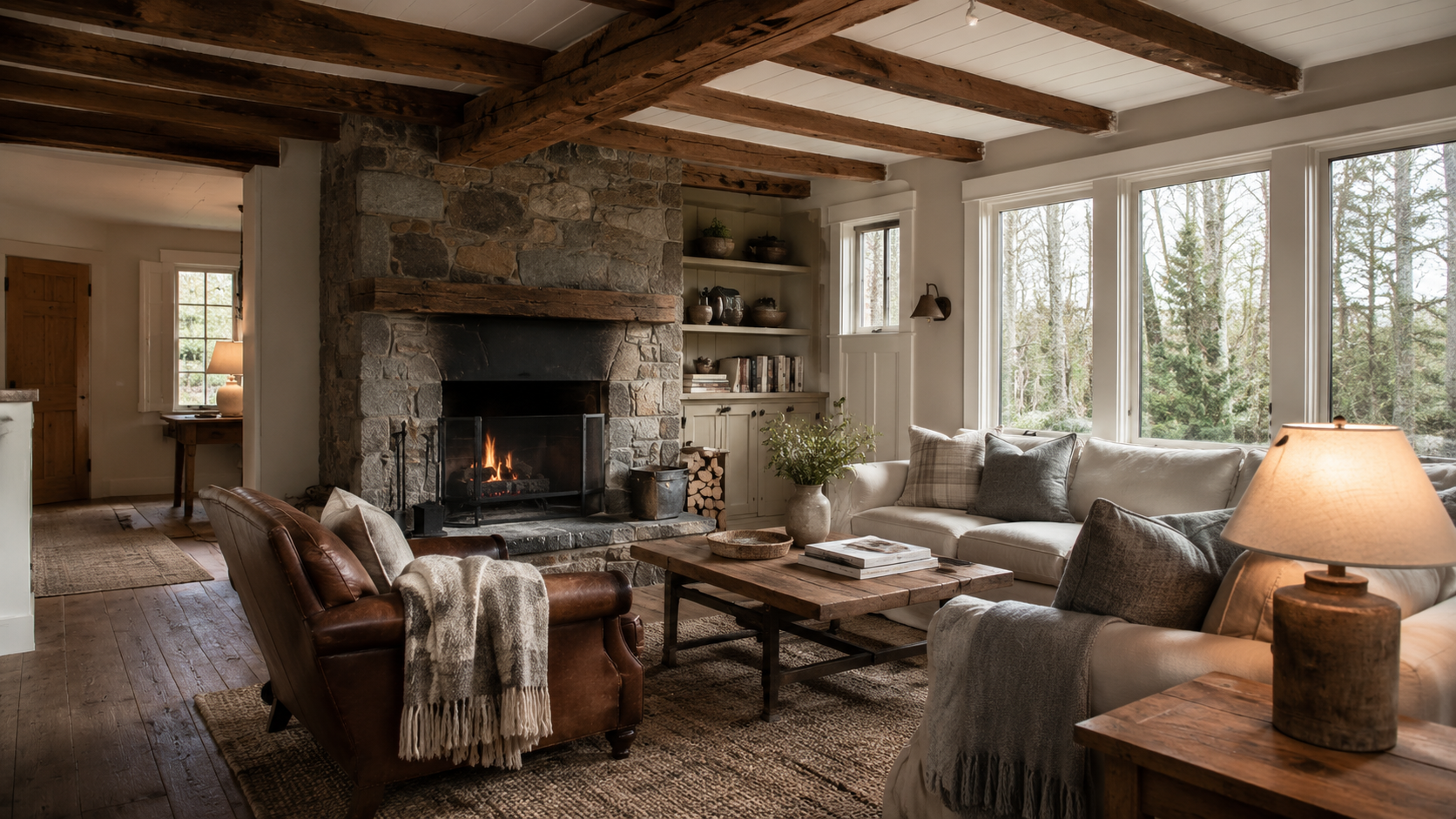
  • Key Features: A statement fireplace is essential—opt for a stone or brick hearth that becomes the room's focal point.
  • Furniture: Choose oversized leather or fabric sofas paired with reclaimed wood coffee tables. Add vintage armchairs or stools for a layered look.
  • Textiles: Layered rugs, throw blankets, and faux fur accents bring texture and warmth.
  • Décor Tips: Incorporate antiques and vintage finds like an old clock, weathered trunks, or a wooden ladder for a touch of nostalgia.

Is rustic design expensive?
A: It doesn't have to be. Incorporate DIY projects like reclaimed wood shelves or thrifted vintage pieces to achieve the look affordably.


Kitchens: Functional Rustic Elegance

Rustic kitchens marry practicality with aesthetic appeal.

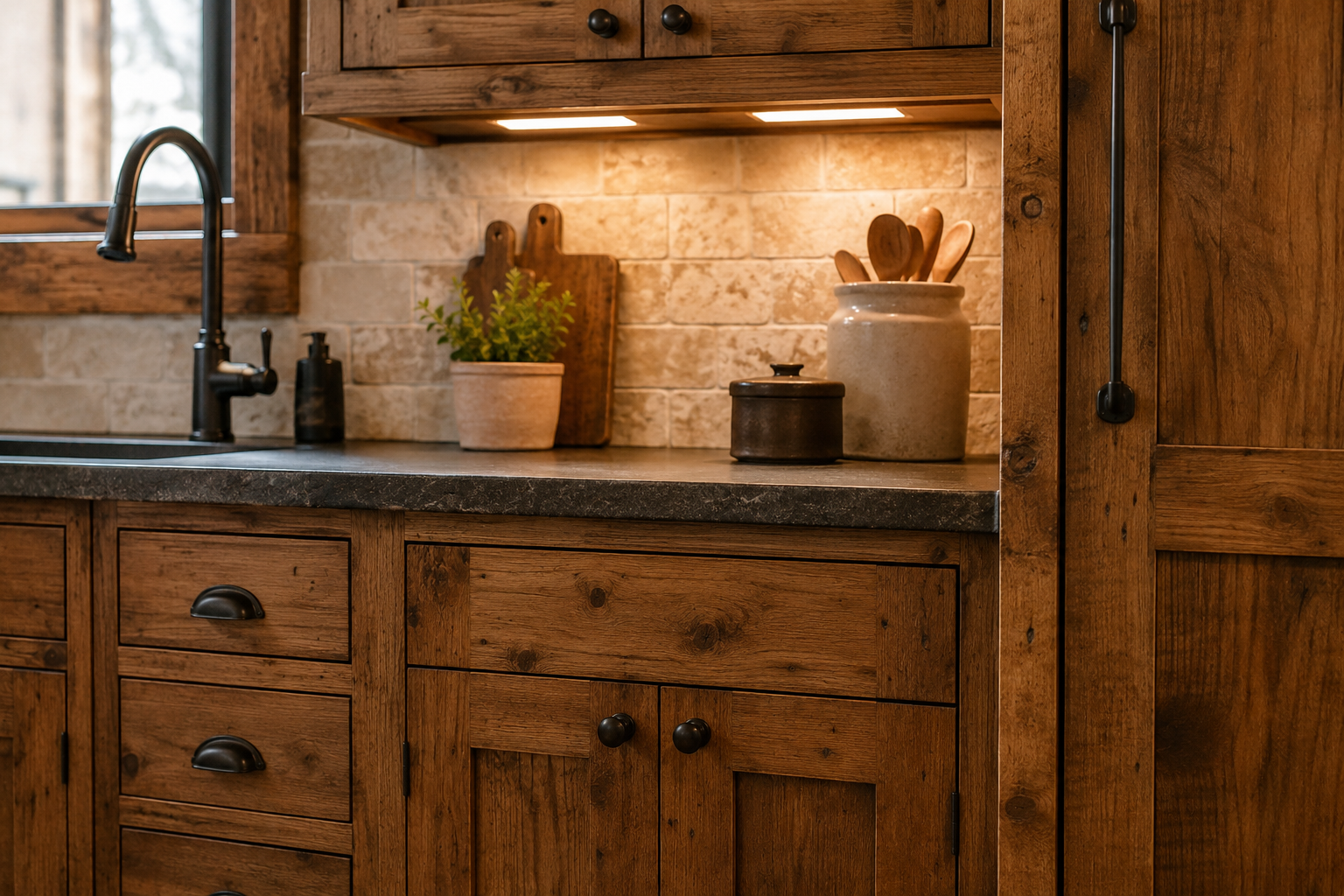
  • Design Elements: Farmhouse sinks, open shelving, and reclaimed wood cabinets define the style.
  • Hardware: Wrought iron handles or brass knobs add a rustic touch.
  • Lighting: Install industrial-style pendant lights over a large wooden dining table.
  • Extras: Display handmade pottery or vintage kitchen tools for character.

Example: A kitchen featuring white subway tiles, wooden countertops, and open shelves adorned with ceramic jars and woven baskets.

Bedrooms: A Rustic Retreat

Rustic bedrooms prioritize comfort and intimacy.

  • Furniture: Opt for canopy or four-poster beds with natural linen bedding. Add wooden bed frames with carved details.
  • Textures: Layer textured throws, quilts, and soft lighting to enhance coziness.
  • Décor: Vintage nightstands, a reclaimed wood headboard, and soft neutral tones complete the look.

Example: A bedroom with a distressed wood headboard, bedside lamps, and muted earth tones creates a serene escape.

Bathrooms: Tranquility with Rustic Flair

Shower in an elegant rustic bathroom with natural materials and warm tones.

An elegant rustic bathroom featuring a stylish shower, natural materials, and a cozy atmosphere.

Achieve spa-like tranquility with freestanding tubs, rustic fixtures, and earthy tones. 

Rustic bathrooms combine natural materials and vintage charm.

  • Vanities: Stone and wood vanities are a must. Add copper or brass fixtures for a warm, elegant touch.
  • Tubs: Freestanding bathtubs paired with rustic finishes like exposed pipes and stone walls.
  • Accents: Incorporate vintage mirrors, soft lighting, and potted greenery.

Example: A bathroom featuring a copper bathtub, wooden vanity, and natural light streaming through a large window.

Entryways: Rustic Welcomes

First impressions matter, and a rustic entryway sets the tone for your home.

  • Practicality: Benches with built-in storage, rustic coat racks, and shoe organizers keep things tidy.
  • Décor: A reclaimed wood bench, hanging hooks, and a woven rug create an inviting atmosphere.
  • Extras: Add charm with a vintage welcome sign or seasonal wreaths.

Example: An entryway with a shiplap wall, wooden storage bench, and antique hooks for coats.

Can rustic design work in small spaces?
A: Absolutely! Use space-saving furniture like storage benches, opt for light colors, and keep accessories minimal to avoid clutter.

Why Rustic Design Works

So, we suggest you embrace natural materials, look for earthy tones, and focus on timeless features. This way, you’ll create a style that effortlessly adapts to any setting without losing its warmth.

The beauty of rustic design lies in its simplicity. Start small, take your time, and let every choice reflect your personal style. 

Piece by piece, you’ll craft a space that feels cozy, functional, and completely your own. Why rush? The best homes are created with care, not in a sprint. Relax, enjoy the process, and have fun making it yours.

How do I mix rustic with modern styles?
A: Pair sleek furniture with natural materials. For example, a clean-lined sofa can be accented with a reclaimed wood coffee table.


General Interior Rustic Décor Principles

Beyond specific rooms, here are broader decorating tips to infuse rustic charm throughout your home. Let’s explore how to bring rustic charm into every corner of your home without overthinking it or breaking the bank.

Furniture: The Heart of Rustic Design

Start with the big pieces. A rustic home thrives on furniture that’s sturdy, practical, and a little imperfect—in the best way.

  • Invest in a statement dining table crafted from reclaimed wood. It becomes the centerpiece of family gatherings and adds authenticity to your space.
  • Go for leather sofas or armchairs that balance comfort and durability, creating a timeless, lived-in vibe.
  • Mix in vintage or distressed items. A worn bench or a repurposed chest can carry stories while adding functionality.

Example: A weathered wooden coffee table paired with an oversized leather armchair is the epitome of rustic elegance.

Lighting: Set the Mood, Naturally

Rustic lighting is all about creating ambiance.

  • Pendant lights or chandeliers with industrial touches, like wrought iron or matte black finishes, bring a rustic-industrial edge.
  • Use lanterns and sconces in cozy corners to soften the space.
  • Opt for warm, soft lighting to make every room feel welcoming—no harsh fluorescents allowed.

Tip: If you want a dramatic yet cozy effect, consider a dimmable chandelier over your dining table.

Accessories: Where the Magic Happens

The small details tie everything together.

  • Add woven baskets and trays for storage that doubles as décor.
  • Include antiques like clocks, mirrors, or tools for that perfect touch of history.
  • Curate a gallery wall with nature-inspired art or vintage signs that tell a story.

Pro Tip: Balance rustic accessories with modern touches like a sleek metal vase or a clean-lined bookshelf.

Textiles: Comfort You Can See and Feel

Nothing screams rustic like layers of texture.

  • Start with jute or wool rugs that anchor your rooms in earthy tones.
  • Add plush throws and cushions in patterns like plaid or geometric to soften the rugged edges.
  • Natural linen curtains filter in just enough sunlight while keeping the vibe understated and elegant.

Example: A cream jute rug paired with a plaid throw blanket and a knit pillow set creates a cozy nook in any living room.


Rustic Inspirations in Interior Design Styles

How Rustic Elements Inspire Modern Spaces

Rustic design isn’t just one style; it’s a blend of themes that bring warmth, simplicity, and charm to your space. From industrial vibes to bohemian layers, here’s a detailed, engaging look at how to apply rustic styles to your interiors.

Core Rustic Interior Design Styles

1. Rustic Farmhouse Interior

  • Signature Features: Shiplap walls, sliding barn doors, and a soft neutral palette.
  • Décor Tips: Add vintage-inspired furniture like distressed wood tables and galvanized metal accents. Think mason jars, woven baskets, and cotton wreaths for those finishing touches.
  • Example: A kitchen with a farmhouse sink, open shelving filled with antique ceramics, and a chunky wooden island.

Pro Tip: Balance rustic textures with modern appliances to keep it functional and fresh.

2. Rustic Industrial Interior

Rustic industrial living room with a brown leather sofa near the wall.

A rustic industrial living room featuring a brown leather sofa placed against the wall for a cozy vibe.

  • Signature Features: Exposed pipes, raw brick walls, and metal fixtures.
  • Décor Tips: Blend rugged materials like reclaimed wood and concrete with sleek furniture. Consider Edison bulb light fixtures for that industrial edge.
  • Example: A loft with high ceilings, steel-framed windows, and leather furniture softened by a plush area rug.

Pro Tip: Avoid making the space too cold—add warmth with textiles like wool throws and vintage rugs.

3. Modern Rustic Interior

  • Signature Features: Clean lines paired with natural materials like timber and stone.
  • Décor Tips: Keep furniture minimalist but mix in rustic elements like raw wood tables or stone feature walls.
  • Example: A living room with a sleek sectional, a reclaimed wood coffee table, and abstract artwork.

Pro Tip: Opt for a neutral color palette with subtle pops of green from indoor plants.

4. Rustic Scandinavian Style

  • Signature Features: Light woods, white walls, and cozy textiles.
  • Décor Tips: Use functional furniture like clean-lined sofas and mix in hygge-inspired items like knitted throws or sheepskin rugs.
  • Example: A Scandinavian-style bedroom with a whitewashed bed frame, layered bedding, and soft lighting.

Pro Tip: Stick to a pared-down aesthetic while keeping it inviting.

Related: Scandinavian Industrial Minimalism: Where Function Meets Form

5. Rustic Bohemian Design

  • Signature Features: Eclectic patterns, earthy tones, and layered textures.
  • Décor Tips: Combine vintage rugs, macramé wall hangings, and colorful cushions with wooden furniture for a relaxed vibe.
  • Example: A bohemian-inspired lounge with low seating, woven baskets, and plants in rustic clay pots.

Pro Tip: Mix and match patterns and textures without going overboard—stick to a cohesive color palette.


Rustic Outdoor Living Spaces: Ideas for Patios, Decks, and Gardens

Design functional and stylish outdoor areas with a rustic touch.


How to Achieve Outdoor Rustic Design: Tips and Inspirations

Rustic modern terrace with furniture in Penjaringan, Jakarta, Indonesia.

A rustic modern terrace in Penjaringan, Jakarta, Indonesia, featuring stylish furniture and a cozy atmosphere.

Rustic outdoor design is all about creating a space that feels like an effortless escape into nature, with a touch of charm and personality. Think cozy corners, natural textures, and settings that beg you to kick back and stay a while.

Whether you're sprucing up a compact backyard or reimagining a larger garden, the goal is the same: to craft an outdoor haven that's as welcoming as your living room. We’ll walk you through approachable, practical tips to make it happen—no massive budgets or grand gestures required.

Ready to turn your outdoor space into a rustic paradise? Let’s get started—because the best design is the kind that feels personal, functional, and refreshingly stress-free.

Rustic Outdoor Design Ideas: Fire Pits, Pergolas, and More

Enhance your backyard with cozy features and natural materials.

Garden Features: Natural Beauty and Timeless Appeal

  1. Stone Pathways
    • Use uneven, natural stones to create a winding pathway. This adds charm and guides movement through the garden.
    • Pair with moss or low-maintenance ground cover for a softer, organic look.
  2. Rustic Arbors and Pergolas
    • Construct arbors with reclaimed wood or wrought iron, letting climbing plants like ivy or roses grow over them.
    • Consider adding string lights for a magical evening ambiance.
  3. Wooden Fences and Gates
    • Opt for untreated or weathered wood to create a natural boundary.
    • Add decorative elements like metal hinges or vintage handles to enhance the rustic feel.

Can rustic design work in modern outdoor settings?
Absolutely. Blend clean lines with rustic accents like wooden planters or metal lanterns for a balanced look.

Outdoor Living Spaces: Relaxation Meets Rustic Charm

  1. Fire Pits and Fireplaces
    • Create a stone or brick fire pit as the centerpiece of your outdoor living space.
    • Surround it with Adirondack chairs or log seating for a campfire vibe.
  2. Wooden Decks and Patios
    • Use reclaimed or pressure-treated wood for a sturdy yet rustic deck.
    • Add a pergola with climbing plants for shade and beauty.
  3. Weather-Resistant Furniture
    • Incorporate metal-framed or wooden furniture with outdoor-friendly cushions.
    • Add layers with wool or jute throws for a cozy touch during cooler nights.

Landscaping: Embrace Nature’s Simplicity

  1. Native Plants and Wildflowers
    • Opt for plants suited to your region’s climate, such as lavender, sunflowers, or grasses.
    • Plant in clusters or along borders to mimic a natural, untamed garden.
  2. Low-Maintenance Greenery
    • Choose perennials, shrubs, or evergreens that require minimal care.
    • Incorporate planters made of stone, wood, or galvanized metal for added rustic charm.
  3. Water Features
    • Include a small pond, fountain, or waterfall made from natural stone.
    • Let aquatic plants like lilies or reeds complete the serene vibe.

Outdoor Décor: Adding the Finishing Touches

  1. Lanterns and String Lights
    • Hang vintage lanterns or Edison bulb string lights to create a warm, welcoming glow.
    • Use solar-powered options for sustainability.
  2. Rustic Signage and Accents
    • Add wooden signs with hand-painted messages like "Welcome" or "Garden."
    • Include antique items like wheelbarrows, barrels, or watering cans as decorative elements.
  3. Outdoor Rugs and Cushions
    • Choose natural fiber rugs, like jute or sisal, to define seating areas.
    • Use outdoor cushions in earth tones or plaid patterns to enhance comfort.

How do I make a small outdoor space feel rustic?
Focus on key elements like a fire pit, a wooden bench, and native plants to create a cozy ambiance without overcrowding.

Why Choose Rustic for Outdoor Spaces?

  • Seamless Integration: Rustic design works in harmony with natural landscapes, emphasizing organic materials and earthy colors.
  • Durability: Materials like stone, wood, and metal are long-lasting and age beautifully.
  • Timeless Appeal: Rustic elements remain stylish and inviting, regardless of changing trends.

What materials work best for rustic outdoor spaces?
Natural materials like stone, wood, and wrought iron are durable and visually authentic.

Practical Tips for Outdoor Rustic Design

  • Start Small: If a full redesign feels overwhelming, begin with one area, like a fire pit or garden path.
  • Reclaim and Repurpose: Use old wood or antiques for affordable, eco-friendly décor.
  • Mix Materials: Combine stone, wood, and metal for a layered, visually interesting look.
  • Plan for Maintenance: Ensure all materials can withstand your climate, from sun to snow.

Are rustic outdoor spaces high-maintenance?
Not necessarily. Opt for low-maintenance plants and durable materials to reduce upkeep.

Our advice? Don’t dive in headfirst—take it step by step. Starting small gives you room to experiment and figure out what truly works for you. 

Why rush and end up with a backyard full of decisions you regret? Build gradually, and you’ll find yourself creating an outdoor retreat that feels just right. 

Relax, get creative, and have fun with it—you’re crafting your own slice of rustic paradise, not running a marathon.


Blending Rustic with Other Styles: A Perfect Mix of Old and New

Rustic design doesn’t have to stand alone—it thrives when paired with other styles, creating spaces that are fresh, functional, and full of character. Here’s how you can blend rustic charm with modern, industrial, farmhouse, or boho aesthetics to craft unique spaces that tell a story.

How to Mix Rustic and Bohemian Styles for a Unique Look

Rustic Modern: Where Simplicity Meets Warmth

  • Key Elements: Clean lines and minimalist furniture paired with rustic materials like reclaimed wood or metal accents.
  • Colors: Stick to neutral palettes—think whites, grays, and earthy tones—but don’t shy away from adding pops of color through rugs, cushions, or art.
  • Example: A sleek wooden dining table with black metal chairs and pendant lights above creates a modern yet inviting look.

Rustic Industrial: Grit Meets Cozy

  • Key Elements: Exposed pipes, metal fixtures, and a mix of concrete with wood.
  • Textures: Rough finishes like aged wood paired with polished metals.
  • Lighting: Industrial pendants with Edison bulbs bring character while blending functionality.
  • Example: A living room with a leather sofa, reclaimed wood coffee table, and a steel-framed bookshelf screams industrial yet stays grounded in rustic charm.

Rustic Farmhouse: Nostalgia with Practicality

  • Key Elements: Shiplap walls, barn doors, and classic farmhouse sinks.
  • Décor: Layer cozy textures like knitted throws or vintage quilts with rustic elements like wooden beams or stone fireplaces.
  • Example: A kitchen with open shelving, a butcher block countertop, and ceramic jars brings the farmhouse vibe to life without feeling overdone.

Rustic Boho: Free-Spirited Meets Natural

  • Key Elements: Layered patterns and textures combined with natural materials like rattan, jute, or woven textiles.
  • Colors: Vibrant tones like terracotta, mustard, and teal mixed with rustic neutrals.
  • Décor: Eclectic furniture—think a mid-century armchair next to a wooden bench. Add colorful cushions and a macramé wall hanging for that boho flair.
  • Example: A bedroom with a rustic canopy bed, patterned rugs, and bold-colored throw pillows makes a statement without sacrificing coziness.

Find Your Perfect Blend

Blending rustic with other styles isn’t about rules—it’s about experimenting until you create a space that feels uniquely yours. Start with small accents, mix and match textures, and keep functionality in mind. The magic happens in the details, whether it’s a vintage lamp in a modern living room or a colorful rug in an industrial loft.

Above all, have fun with it! There’s no one way to design your home—just the right way for you.


Rustic House Design Challenges and How to Overcome Them

Designing a rustic house comes with its share of hurdles, but with the right strategies, these challenges can turn into opportunities for creativity. Let’s tackle the most common issues and explore practical solutions to help you achieve the rustic charm you’re dreaming of.

Rustic House Design Challenges and Solutions: What You Need to Know

Common issues in rustic design and how to overcome them with ease.

1. Budget Constraints: Making Rustic Affordable

  • Challenges:
    • Natural and reclaimed materials, while beautiful, can be pricey.
    • Hiring artisans or sourcing specialty items like reclaimed wood may exceed your initial budget.
  • Solutions:
    • DIY Projects: Create your own rustic furniture, such as pallet coffee tables or reclaimed wood shelves.
    • Reclaimed Materials: Look for affordable finds at salvage yards or online marketplaces. Often, old doors, windows, and beams can be repurposed beautifully.
    • Example: A dining table made from an old barn door paired with secondhand chairs.

2. Balancing Rustic and Modern: Finding the Sweet Spot

  • Challenges:
    • Overdoing rustic elements can make spaces feel outdated or cluttered.
    • Merging modern conveniences with rustic aesthetics without losing either style.
  • Tips to Mix Styles Effectively:
    • Limit rustic features to focal points—such as a statement fireplace or a reclaimed wood accent wall—and pair them with sleek modern furniture.
    • Use neutral color schemes to create harmony between the old and new.
    • Example: Combine a minimalist modern sofa with a rustic coffee table made from reclaimed wood.
  • Pro Tip: Keep an even balance by following the 80/20 rule—80% modern elements with 20% rustic accents, or vice versa.

3. Maintaining Rustic Interiors: Keeping the Charm Intact

  • Challenges:
    • Natural materials like wood, stone, and metal can be prone to wear and tear.
    • Textured items like rugs and throws often collect dust and require extra upkeep.
  • Solutions:
    • Wood: Treat wooden surfaces with oil or wax to maintain their luster and prevent cracking. Avoid excessive exposure to sunlight and humidity.
    • Stone: Use sealants on stone floors or walls to prevent staining. Regular cleaning with mild, non-abrasive solutions will keep them looking fresh.
    • Metal: Prevent rust on metal accents by using anti-corrosion treatments or occasional polishing with natural products like vinegar.
    • Textiles: Choose machine-washable throws and rugs for easier maintenance, or vacuum textured items regularly.
    • Example: Rotate cushions and rugs seasonally to minimize wear in high-traffic areas.

Turning Challenges into Opportunities

Rustic house design may come with a few hurdles, but each challenge is an opportunity to get creative and make your home uniquely yours. Whether you’re managing a tight budget or trying to balance rustic with modern elements, the key is to embrace the imperfections that make rustic design so charming.

Remember, it’s not about achieving perfection—it’s about creating a home that feels authentic, inviting, and true to your style. Take it step by step, enjoy the process, and soon, you’ll have a space that’s as functional as it is beautiful.


Examples of Rustic Homes for Inspiration: What to Focus On and Lessons to Learn

Exploring iconic rustic homes and their unique designs can teach you valuable lessons about what to focus on, what to avoid, and how to approach your own project. From cozy cabins to luxurious retreats, let’s break it down.

Stunning Examples of Rustic Homes: Ideas and Lessons for Your Space

How these homes master rustic charm and functionality.

1. Iconic Rustic Homes Around the World: Lessons from the Best

  • What to Focus On:
    • Material Choices: Study how homes in different regions use locally sourced materials like stone, timber, or clay. For instance, the Bavarian Alpine Cabins focus on steep roofs and heavy timber for snowy climates.
    • Integration with Surroundings: Iconic rustic homes blend seamlessly into their environments. Look at how Scandinavian lodges harmonize with snowy landscapes by using light woods and large windows for natural light.
  • What to Avoid:
    • Overloading rustic elements—cluttered designs can lose charm.
  • Pro Tip: Visit or research renowned homes like the Amangiri Resort in Utah, known for its blend of rugged materials and modern luxury, to see how rustic themes adapt to different contexts.

2. Modern Rustic Cabins and Villas: Balancing Tradition with Modernity

  • What to Learn:
    • Focus: Embrace open floor plans and modern amenities without losing the rustic charm. For example, a modern cabin in the Pacific Northwest might pair exposed beams with polished concrete floors for a striking contrast.
    • Design Tip: Add modern elements sparingly—use sleek light fixtures or minimalist furniture alongside reclaimed wood walls.
  • What to Avoid:
    • Avoid mismatched furniture or overly industrial touches that clash with rustic simplicity.

3. Famous Designers Specializing in Rustic Aesthetics: Inspirations to Follow

  • What to Focus On:
    • Learn from designers like Joanna Gaines (modern farmhouse style) or Friedensreich Hundertwasser (nature-focused, eco-rustic designs). They emphasize the importance of blending functionality with aesthetics.
    • Study their use of texture layering and their knack for incorporating personal touches into rustic designs.
  • What to Do:
    • Follow their work for inspiration, but customize the ideas to fit your space and personality.

4. Luxury Rustic Mountain Retreats: What Sets Them Apart

  • What to Focus On:
    • Grand Elements: High ceilings, massive stone fireplaces, and panoramic windows are common features. The Yellowstone Club in Montana showcases how rustic design can ooze sophistication without losing its warmth.
    • Material Highlights: Expect to see reclaimed wood beams, plush leather furniture, and handcrafted stonework.
    • Key Lesson: Luxury doesn’t mean over-the-top. Focus on quality materials and thoughtful details to elevate rustic simplicity into elegance.
  • What to Avoid:
    • Overdoing luxury—keep the raw, cozy elements intact.

5. Sustainable Rustic Designs: Combining Eco-Friendly and Rustic

  • What to Focus On:
    • Use reclaimed materials like barn wood or upcycled metal to align with eco-conscious principles.
    • Incorporate passive design strategies such as natural ventilation, solar panels, and large windows for heating efficiency.
    • Example: The Earthship homes in New Mexico blend rustic aesthetics with sustainability, featuring adobe walls and recycled materials.
  • What to Avoid:
    • Over-complicating the design—sustainability should enhance simplicity, not detract from it.

Tips for Getting Started on Your Rustic Home Design

  1. When to Begin: Start with a vision board—whether physical or digital—and collect ideas from your favorite iconic homes or designers.
  2. What to Do First: Focus on your site. If you’re building in a forested area, highlight those trees; for a mountain location, emphasize views.
  3. What to Learn: Study basic design principles like material sourcing and blending textures. Take note of what works in similar homes for your climate and lifestyle.
  4. Mistakes to Avoid:
    • Avoid copying a design outright—rustic homes shine when they’re personal.
    • Don’t neglect functionality for aesthetics; the best designs are both beautiful and practical.

Find Your Own Rustic Inspiration

Rustic homes inspire not just because of their beauty but because they connect us with nature and a simpler way of living. Take lessons from iconic examples, experiment with ideas from seasoned designers, and focus on sustainable, practical solutions that fit your lifestyle. With the right balance of creativity and purpose, your rustic home could be the next source of inspiration for others!


How to Nail Rustic Design: Practical Tips for Beginners

Expert Rustic Design Tips: Transform Your Space with Warmth and Character


Final Rustic Design Tips: Practical and Simple Ideas for a Cozy Space

Rustic Design Made Simple: Start Your Cozy Makeover
Don’t stress—this isn’t about chasing perfection right away. That comes later, step by step. For now, focus on warmth, charm, and creating spaces that feel lived-in and genuinely inviting.

We’re not just tossing out random ideas here. These tips come from real-world experience, carefully thought out to help you avoid rookie mistakes. Take a deep breath, grab your coffee, and let’s get into the practical stuff.

Simple Rustic Design Tips for Every Room in Your Home

  • Start with a Neutral Base:
    Build your design on warm neutrals like beige, gray, or earthy tones. These colors create a versatile foundation that pairs effortlessly with rustic elements like wood, stone, and metal.
  • Layer Textures:
    Combine rough and soft textures for depth and warmth. Think exposed brick walls paired with plush wool rugs, or distressed wood furniture offset by linen curtains and knitted throws. Textures are key to creating that inviting, lived-in look.
  • Invest in Statement Pieces:
    Anchor your space with standout items. A reclaimed wood dining table, a dramatic stone fireplace, or an oversized leather sofa can set the tone for the entire room.
  • Mix Vintage Finds with Modern Accents:
    Blend eras for a balanced look. Pair antique metal light fixtures with contemporary furniture, or add a mid-century modern chair to a room dominated by rustic beams and vintage décor. This creates a space that feels timeless yet fresh.
  • Use Natural Materials Thoughtfully:
    Incorporate natural elements like driftwood, jute, or stone sparingly. Too much of the same material can overwhelm the space, so mix and match for balance.
  • Bring the Outdoors In:
    Use potted plants, dried flowers, or even a few branches in vases to create a connection to nature. Greenery breathes life into rustic spaces without overwhelming the aesthetic.
  • Focus on Functionality:
    Rustic design isn’t just about looks—it’s about comfort and practicality. Opt for furniture and layouts that enhance your daily life. For example, open shelving in a rustic kitchen combines style with convenience.
  • Lighting is Key:
    Warm, soft lighting creates the cozy ambiance rustic spaces are known for. Choose lantern-style fixtures, Edison bulbs, or candles to enhance the mood.
  • Stick to a Consistent Theme:
    While mixing styles is fine, ensure all elements complement each other. A modern rustic room might feature sleek furniture but still stick to wood, metal, and earthy tones.

Rustic Style Made Easy

Creating a rustic space doesn’t have to be complicated. Start small, focus on textures and materials, and don’t shy away from experimenting. With these tips, you can craft a home that feels both stylish and effortlessly welcoming.


FAQs

General Questions

What is rustic design?
Rustic design emphasizes natural materials, organic textures, and a cozy, lived-in aesthetic. It often incorporates wood, stone, and metal while embracing simplicity and warmth.

What’s the difference between rustic and farmhouse styles?
While both focus on natural elements, rustic design leans into rugged textures and unpolished finishes, whereas farmhouse style incorporates lighter tones, shiplap walls, and a touch of modernity.

Can rustic design work in urban homes?
Absolutely! Use smaller-scale furniture, light color palettes, and a mix of natural materials like wood and metal. Rustic accents like wall art or a reclaimed wood table can bring charm to urban settings.

Materials and Budgeting

What are the best materials for rustic homes?
Reclaimed wood, rough stone, forged metal, and natural textiles like wool and cotton are staples in rustic design.

How can I achieve a rustic look on a budget?
Opt for DIY projects, reclaimed wood, thrifted furniture, and handmade accessories. Focus on repurposing materials to save costs while adding charm.

Are reclaimed materials worth the investment?
Yes, reclaimed materials add character and sustainability to your home while often being cost-effective compared to brand-new items.

Design Principles

How do I make a small space feel rustic?
Prioritize efficient furniture layouts, light color palettes, and minimal yet impactful rustic accents. Use mirrors to create the illusion of space.

What colors work best for rustic design?
Earth tones like browns, greens, and muted neutrals work beautifully. Add depth with occasional pops of deep reds or blues.

How do I mix rustic design with other styles?
Blend elements thoughtfully. For example:

  • Pair rustic wood with modern metals for a rustic-industrial look.
  • Combine earthy textures with sleek furniture for rustic-modern.

Decorating Tips

What are must-have pieces for a rustic home?

  • A large wooden dining table
  • Stone or brick fireplaces
  • Oversized furniture with textured upholstery

How can I use lighting in rustic design?
Choose warm, soft lighting through pendant lights, lantern-style fixtures, and candles. Industrial-style metal lighting also pairs well with rustic interiors.

Are vintage and antique pieces important in rustic design?
Yes, they add authenticity and character. Look for vintage mirrors, clocks, or furniture to enhance the aesthetic.

Maintenance and Sustainability

How do I care for rustic materials like wood and stone?

  • Wood: Use natural oils or wax to maintain its finish and prevent cracking.
  • Stone: Clean with mild soap and water; avoid harsh chemicals.

Is rustic design eco-friendly?
It can be! Focus on using reclaimed materials, sustainable furniture, and energy-efficient lighting to reduce your environmental footprint.

How do I maintain rustic textiles?
Wash textiles like wool and cotton according to their care labels. Avoid over-washing to preserve texture and color.

Outdoor Rustic Design

What are the best outdoor features for rustic homes?

  • Stone pathways
  • Wooden decks or porches
  • Native landscaping with wildflowers and low-maintenance greenery

Can I use rustic design for small outdoor spaces?
Yes, use compact furniture, vertical planters, and multifunctional features like a bench with storage to make the most of the area.

Advanced Questions

What distinguishes modern rustic homes from traditional rustic homes?
Modern rustic blends sleek lines and minimalism with classic rustic materials like wood and stone. It’s a cleaner, more polished take on traditional rustic aesthetics.

Can rustic design be upscale or luxurious?
Definitely! Incorporate high-end finishes like polished wood, leather furniture, and custom stonework to elevate rustic design while maintaining its charm.

What role does texture play in rustic design?
Texture adds depth and interest. Layer materials like rough-hewn wood, stone, and soft textiles to create a balanced, inviting look.


Wrapping Up: Creating Your Rustic Home

Rustic design is a way to create spaces that feel warm, inviting, and deeply personal. The beauty of rustic homes lies in their ability to balance comfort with timeless charm, making them a perfect fit for modern living.

Whether you’re starting small with accents or going all-in with exposed beams and stone features, the key is to personalize. Add elements that reflect your personality and make your home feel like it was built just for you. Mix materials, experiment with textures, and don’t shy away from blending styles to craft something uniquely yours.

Final Tips for Achieving the Rustic Aesthetic

  • Start with natural materials like wood and stone—they’re the foundation of rustic charm.
  • Incorporate cozy textiles and soft lighting to create a welcoming atmosphere.
  • Avoid overdoing it; keep things balanced by mixing rustic elements with modern or eclectic pieces for contrast.

Remember, a rustic home isn’t about perfection; it’s about character and comfort. So take your time, experiment, and let your creativity shine. By adding your own touch, you’ll create a space that’s not just stylish but truly feels like home. Relax, have fun, and let the magic of rustic design transform your space into your personal retreat.


Must-Read Books for Rustic Design Enthusiasts

These top-rated books offer practical advice and inspiration for anyone looking to embrace rustic design in their home. Each book is packed with insights, tips, and real-life examples to help you make your space uniquely yours.

1. "Modern Rustic" by Emily Henson
Why it’s worth it: This book shows how to blend modern aesthetics with rustic charm, making it perfect for those who love clean lines but crave warmth.

What you’ll learn:

  • How to mix natural materials like wood and stone with minimalist furniture.
  • Creating balance between simplicity and coziness.
  • Using neutral color palettes and textured accents effectively.

2. "American Rustic" by Chase Reynolds Ewald and Audrey Hall
Why it’s worth it: A deep dive into the rustic design across America, this book celebrates craftsmanship and regional styles.

What you’ll learn:

  • Using reclaimed materials to create authentic rustic interiors.
  • How different parts of the U.S. approach rustic aesthetics.
  • Ideas for integrating artisanal furniture and local touches into your design.

3. "Rustic Revisited: Innovative Design for Cabin, Camp, and Lodge" by Ann Stillman O'Leary
Why it’s worth it: Great for those interested in vacation homes or retreats, this book offers creative ideas for rustic living spaces.

What you’ll learn:

  • How to maximize natural light with large windows and open layouts.
  • Tips for blending traditional rustic elements with modern conveniences.
  • Inspiration for cozy, functional designs in smaller spaces like cabins.

4. "The Rustic Cabin: Design & Architecture" by Ralph Kylloe
Why it’s worth it: Perfect for anyone dreaming of a cozy cabin retreat, this book is all about the timeless appeal of rustic cabins.

What you’ll learn:

  • The architectural features that make cabins unique (exposed beams, log walls).
  • Ideas for integrating fireplaces and natural stone accents.
  • Choosing furniture and décor to match the architecture.

5. "Perfectly Imperfect Home: How to Decorate and Live Well" by Deborah Needleman
Why it’s worth it: While not exclusively about rustic design, this book focuses on creating homes that feel lived-in and personal—key principles of rustic style.

What you’ll learn:

  • How to avoid over-styling and focus on comfort.
  • The importance of layering textures to create warmth.
  • Tips for mixing rustic and contemporary pieces for a balanced look.

Trusted Nonprofit and Government Resources

Explore these reliable sources for more information about sustainable building practices, reclaimed materials, and rustic design inspiration:

Source What They Offer
National Trust for Historic Preservation Resources on preserving historic and rustic properties.
LEED (Leadership in Energy and Environmental Design) Guidance on sustainable building materials and energy-efficient designs.
The American Institute of Architects (AIA) Tools and inspiration for architects, including rustic and sustainable design ideas.
U.S. Green Building Council Tips on incorporating eco-friendly materials into rustic home design.
World Wildlife Fund (WWF) Insights on using sustainably sourced materials in construction and décor.

These books and resources are treasure troves of inspiration for anyone ready to explore rustic design. Each one offers something unique—whether you’re looking for architectural insights, practical DIY tips, or a deeper understanding of how to create a home that feels warm, authentic, and completely yours. Start small, focus on quality over quantity, and let your creativity take the lead.

Mid-century modern house exterior in Palm Springs with clean lines, flat roof, and expansive glass windows.​
1950s Houses: What They Are, What Works, What Doesn’t
Ranch house kitchen renovation with older cabinets, exposed wall areas, rough-in work, and protective floor covering.
Ranch House Kitchen Layout Problems and Better Fixes
Aluminum window frame overview showing glazing, thermal break, multi-chamber frame, slim sightlines, finishes, and key considerations.
Aluminum Window Frames: Pros, Cons, and Where They Make Sense
Architecture graduate studying drawings, models, and exam materials in a studio workspace.
How to Become a Licensed Architect: School, Hours, and Exams
Installed crawl space vapor barrier with taped seams, wall turn-up, and wrapped piers.
Cost to Install a Crawl Space Vapor Barrier: Where the Money Goes
Modern dark A-frame cabin with a metal roof and side wing set in a pine forest.
A-Frame Tiny Houses: What the Triangle Gets Right and What It Steals
King and jack stud framing diagram showing header, rough sill, and bottom plate.
King and Jack Stud Framing: What They Do and Where They Go

Get practical architecture and renovation guides. No spam. Just useful project planning, design, cost, and construction advice.

ArchitectureCourses.org

Practical architecture, construction, and renovation guides for real projects.

Explore

  • Architecture
  • Construction
  • Renovation
  • Materials
  • Interiors
  • Reviews
  • Calculators

Company

  • Home
  • About
  • Privacy Policy

© 2026 ArchitectureCourses.org. All rights reserved.

As an Amazon Associate, we earn from qualifying purchases at no extra cost to you.