
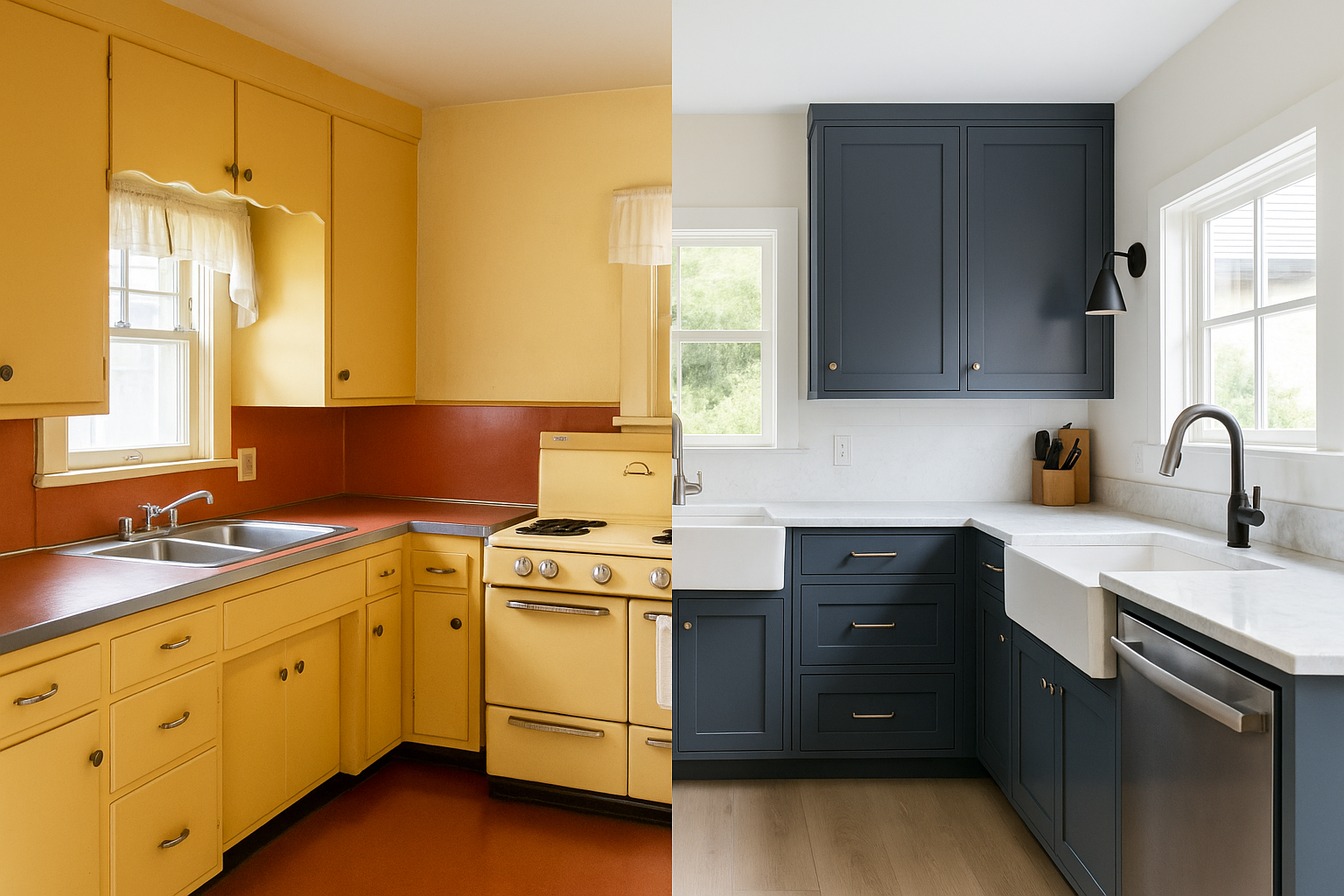
The 1930s Kitchen cabinets set the tone of the whole room. They shape the layout, control the storage, and do a surprising amount of the visual work.
That is part of why these kitchens still hold up. The best 1930s cabinets feel built in, useful, and quietly well judged. They were designed for compact rooms, everyday cooking, and houses where space had to work harder.
If you are restoring original cabinets, copying the look, or trying to make a modern kitchen feel more period-aware, this is the place to start. Cabinet design carries much of the character people respond to in a 1930s kitchen, and it is usually the first thing that gets lost in a bad renovation.
This guide looks at what made 1930s kitchen cabinets work, which details are still worth keeping, and how to update them without stripping out the logic that made them good in the first place.
Also Useful: Before getting into cabinet details, it helps to see the larger room logic. This overview of 1930s kitchen layouts and materials gives the broader context.
1930s Kitchen Cabinets: The Backbone of the Room
If you are renovating a 1930s kitchen, the cabinets are usually the first thing worth studying closely. Whether you are restoring originals, building period-aware replacements, or blending old and new, this is where much of the room’s character lives.
What matters most is not nostalgia for its own sake. It is proportion, fit, storage, finish, and restraint. These cabinets were designed for compact kitchens and hard daily use. That is part of why they still make sense now.
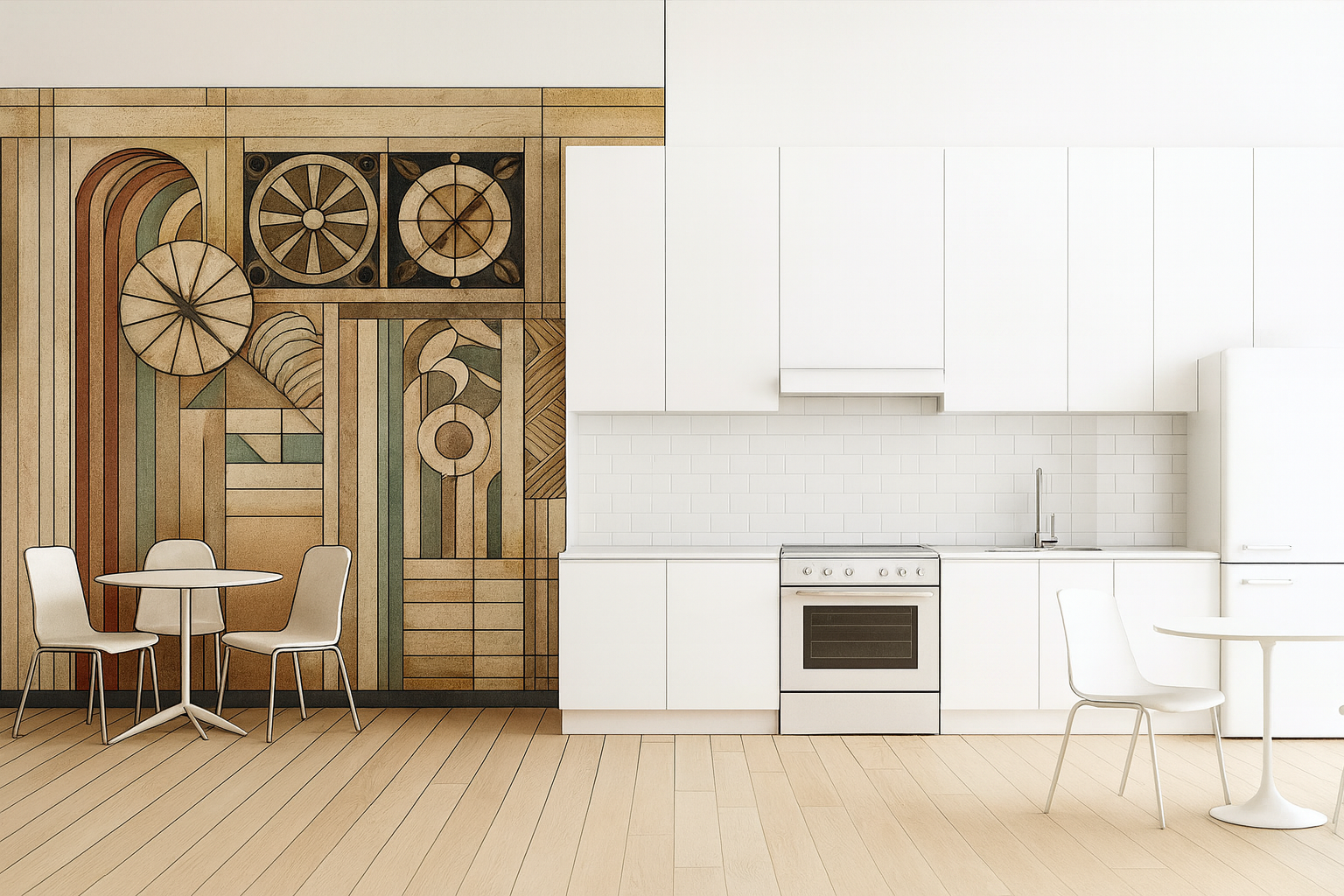
- what original 1930s cabinets usually looked like
- which details are worth preserving
- where modern updates help and where they hurt
- how to keep the room practical without flattening its character
MUST READ: Restoring Your Historic House by Scott T. Hanson. A useful reference if you are trying to keep period character while making an old kitchen work properly again.
Worth Knowing: Cabinet choices make more sense when you understand the house around them. This guide to 1930s house style helps explain why certain cabinet forms, colors, and layouts feel right in these homes.
1930s Kitchen Cabinets: What Still Works Today
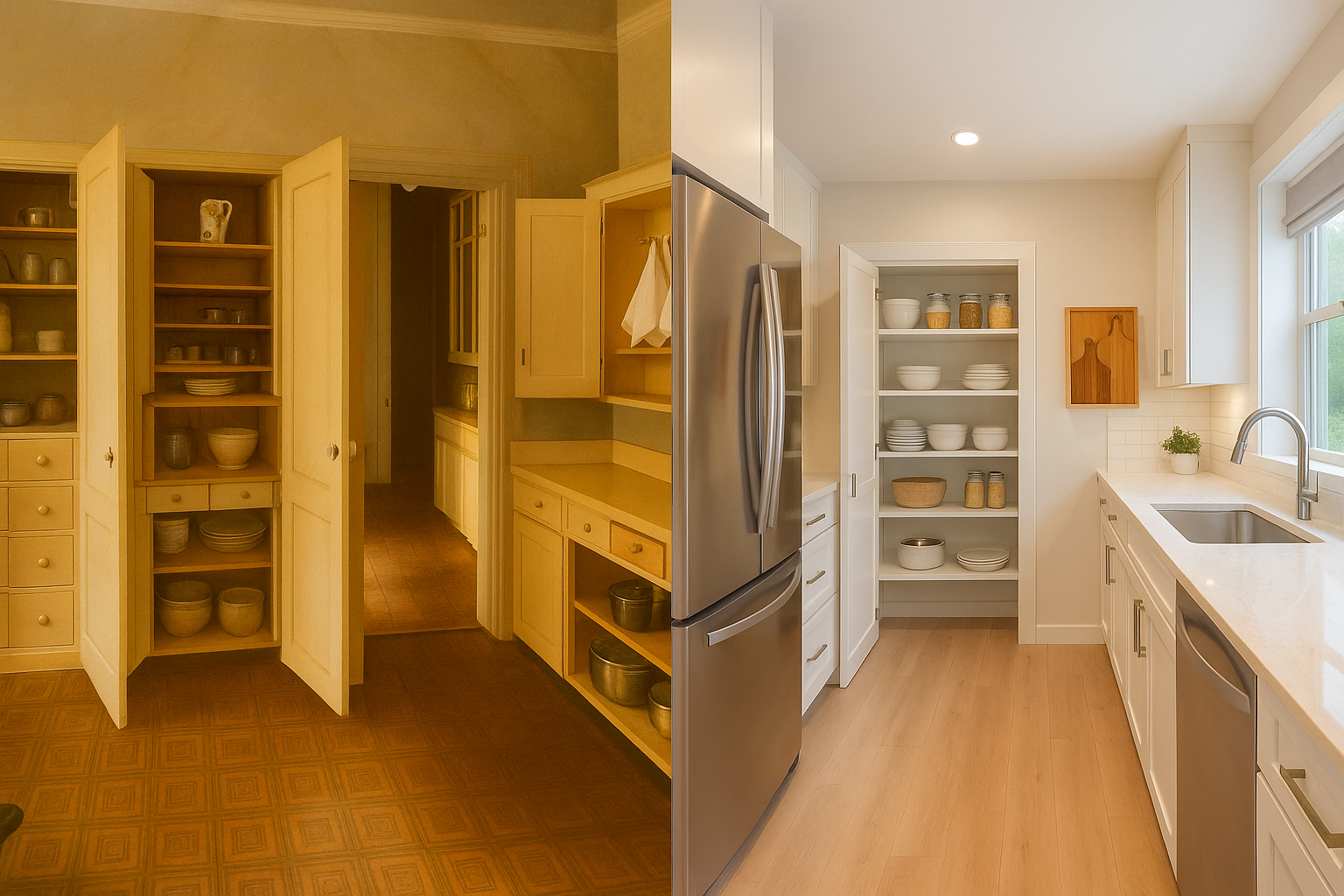
1930s cabinets were built for tight rooms, real cooking, and daily wear. That practical pressure shaped the design. The result was cabinetry that often feels better judged than a lot of flashy modern replacements.
What Made Them Good
- Built-in and room-shaping: Cabinets were treated as part of the architecture, not furniture pushed against a wall.
- Better material quality: Many original cabinets used solid wood parts, plywood, or thicker construction than the low-end boxes sold now.
- Smart storage: Pull-outs, narrow drawers, built-in bins, and compact pantry solutions helped small kitchens work harder.
- Quiet color palettes: Cream, sage, pale yellow, dusty blue, and other softened tones helped the room feel settled rather than busy.
- Subtle period detail: Rounded edges, inset doors, simple glass panels, chrome or brass hardware, and restrained Deco touches carried the style.
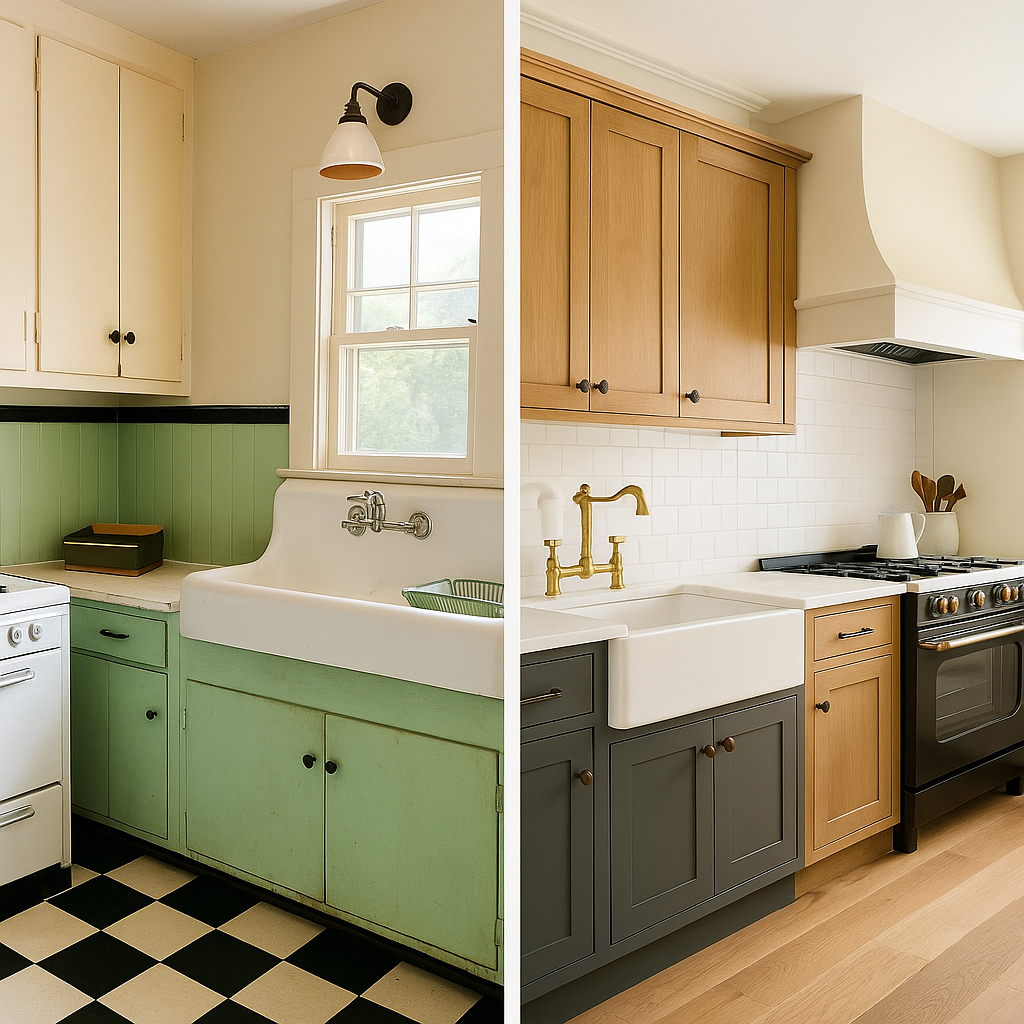
What still holds up is the discipline. These cabinets were rarely trying to be decorative objects. They were there to support the room. That is also why they tend to age better than trend-driven cabinetry that depends too heavily on finish or fashion.
The Hoosier Cabinet and the Small-Kitchen Logic Behind It
The Hoosier cabinet is worth understanding even if you never plan to own one. It captures the basic intelligence of the period: compact footprint, multiple functions, built-in storage, and a work surface where it is actually needed.
In smaller kitchens, that logic still helps. A well-placed freestanding cabinet, pantry hutch, baking station, or wall of built-ins can do more for the room than a decorative island that eats up circulation.
Read This Next: If you are thinking beyond cabinets alone, this guide to renovating a 1930s kitchen wisely is the natural next step.
What to Keep, What to Upgrade
Usually worth keeping:
- original cabinet fronts with good proportions
- period hardware in usable condition
- paint colors or finish layers that still suit the room
- older built-in pantry elements that make the layout more efficient
Usually worth upgrading:
- hinges and drawer slides when function is poor
- interior shelving where storage can improve without changing the exterior
- lighting, wiring, and under-cabinet task light placement
- paint systems, especially when there are adhesion or lead concerns
The safest rule is simple: preserve what gives the cabinet its identity, and improve the parts that make daily use worse.
Why 1930s Kitchen Cabinets Still Get It Right
These cabinets still work because they solved real problems cleanly. Storage was limited. Kitchens were compact. Nothing could afford to be wasted. That pressure created cabinetry that felt integrated, useful, and calm.
Built-Ins That Actually Helped
Once built-ins became standard, the room got better. Cabinets could run to the ceiling, corners could be used more intelligently, and wall space could hold more without feeling cluttered. Even today, that approach often beats a looser collection of generic cabinet boxes.
Clean, Not Flashy
1930s cabinetry usually stayed visually quiet. The door profiles were simpler. The colors sat back. The detail was modest. That makes the room easier to live with and easier to modernize without losing its identity.
Colors That Still Read Well
Soft greens, warm creams, muted blues, and pale yellows still make sense because they catch light gently and sit well beside tile, enamel, chrome, wood, and old plaster. Loud gloss finishes usually do not.
Quiet Features That Did Real Work
Pull-out boards, small drawers, flour bins, glass-front sections, and compact pantry logic all came from use, not styling. That is why those ideas still translate well, even when the exact original elements do not survive.
One More Thing: Cabinets do not age in isolation. If the room feels off, the house may be telling you more. This article on common failure points in 1930s homes helps explain the background issues that often show up during kitchen work.
Bringing 1930s Kitchen Cabinets into Today’s Homes
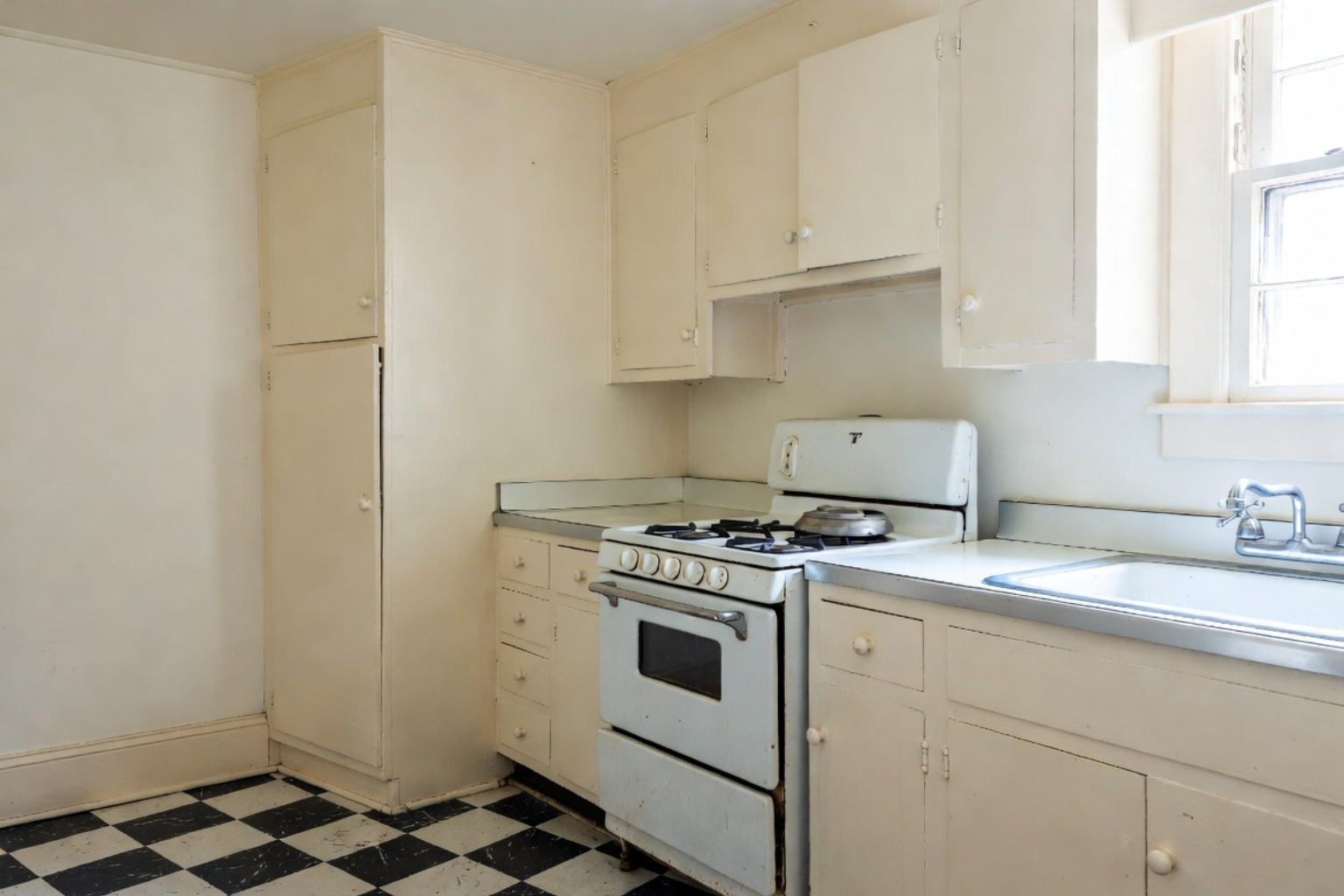
1930s cabinet design still works, but only when it is used with some discipline. The goal is not to turn the kitchen into a museum set. It is to keep the room’s proportions, restraint, and usefulness while making it better for daily life now.
Use the Old, Add the New Carefully
- Restore original cabinets when the bones are good. Repainting, repairing joints, replacing worn hardware parts, and refining storage often gets you further than a full replacement.
- Use period-aware reproductions when originals are gone. The best ones borrow the proportions, door styles, and finish language of the era without copying every detail too literally.
- Hide modern convenience where you can. Soft-close hardware, better lighting, organizers, and updated interiors are usually fine if they do not distort the exterior character.
Material Choices That Still Make Sense
- Painted wood cabinetry remains one of the strongest ways to keep the period feel grounded.
- Chrome or brass hardware can work well when it stays restrained.
- Glass-front uppers are useful in moderation, especially in tighter kitchens where you need a little visual relief.
- Tile, butcher block, stainless, or matte stone usually pair better with 1930s cabinets than glossy contemporary surfaces.
How to Restore Old Cabinets Without Flattening Them
Keep this:
- original chrome or brass hardware when possible
- period-appropriate paint colors
- older woodwork with repairable structure
Update this:
- interior shelf spacing and cabinet organization
- hinges and drawer slides when function is poor
- task lighting and hidden electrical improvements
Before You Move On: If the full house is getting updated, these modern upgrades that do not ruin a 1930s home help keep the larger project on track.
Layout Moves That Still Work
- Galley layouts: strong for narrow rooms when both walls are used well
- Tall pantry storage: usually better than scattered open shelving
- Built-ins along walls: more faithful to the period and usually more useful
- A Hoosier or hutch-type piece: helpful when you need flexible storage without losing the room’s character
Do This, Not That
- Do restore cabinet boxes that are structurally sound.
- Do mix old cabinetry with modern counters or appliances carefully.
- Do choose hardware that fits the period without looking theatrical.
- Do not sand away every trace of age if the surface can be repaired more lightly.
- Do not overload the room with fake vintage accessories.
- Do not let new storage additions look like an unrelated kitchen was dropped into the old one.
This Part Matters: Cabinet work often lands next to sink decisions. This guide on whether to restore or replace a 1930s sink pairs well with cabinet planning.
MUST READ: How Your House Works by Charlie Wing. Useful if the cabinet project is opening up larger questions about wiring, plumbing, ventilation, and how the kitchen actually functions behind the finish layer.
When to DIY and When to Hire a Pro
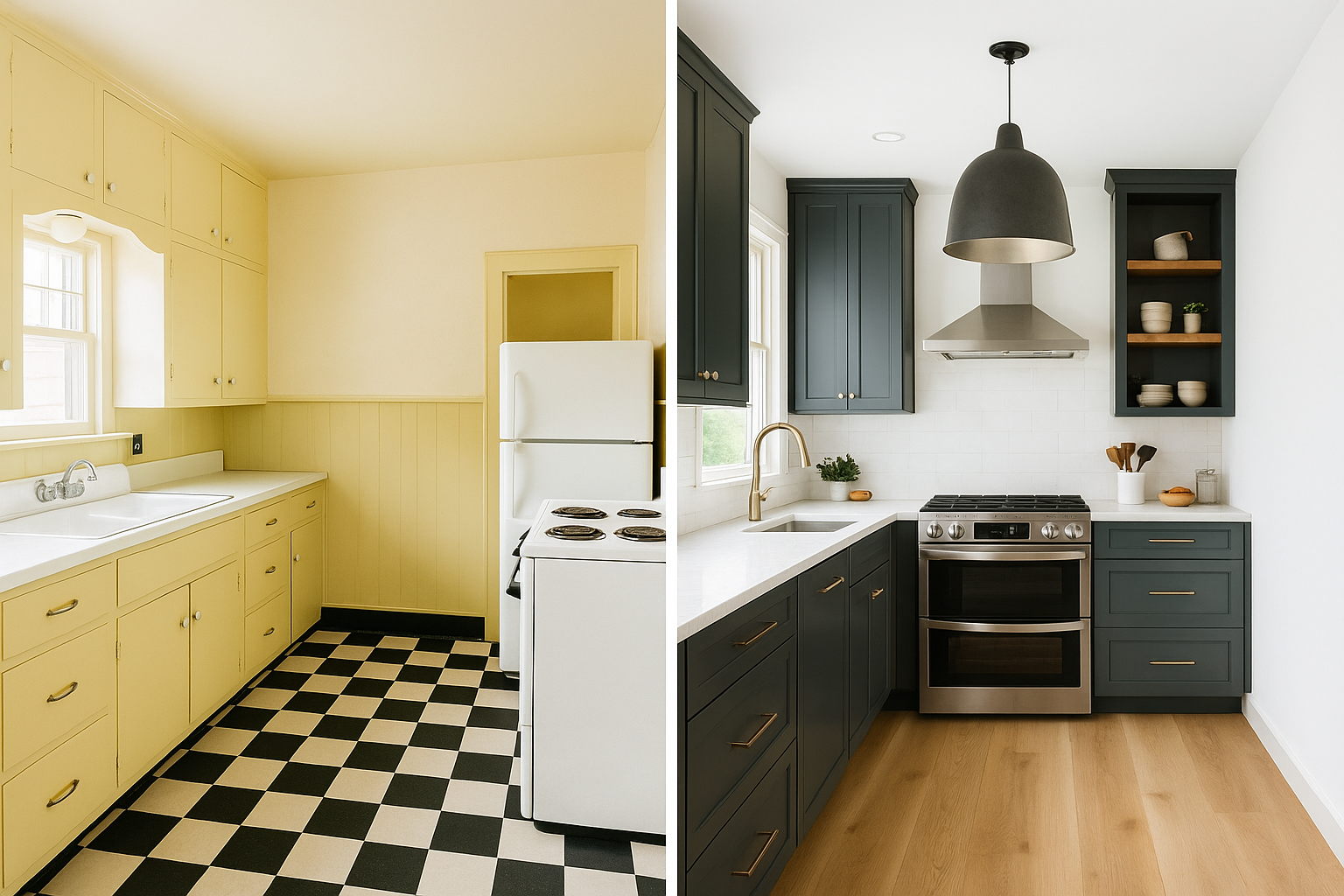
DIY makes sense when:
- the cabinets are structurally sound and mainly need cleaning, paint, or hardware work
- you are adding organizers, lighting, or minor interior upgrades
- you have the patience to work carefully around older materials
Hire a pro when:
- frames are loose, doors are badly warped, or joints are failing
- there is likely lead paint and you are not equipped to deal with it safely
- you want a true restoration, not just a cosmetic cleanup
- the work starts affecting plumbing, wiring, walls, or structural surfaces
If the cabinetry is rare, unusually complete, or clearly original to the house, restoration experience matters. Not every cabinet contractor is the right fit for old-house work.
What Affects Cost Most
Cabinet costs swing less on style than on condition and scope. The biggest variables are usually structural repairs, paint removal, finish quality, hardware replacement, interior upgrades, and whether you are restoring original material or commissioning a period-aware replica.
- Lower-cost work: cleaning, repainting, hardware swaps, minor shelf upgrades
- Mid-range work: door repairs, drawer alignment, quality repainting, selective refinishing, better hinges and slides
- Higher-cost work: full restoration, wood refinishing, lead-safe stripping, custom replication, and layout changes affecting other trades
In most cases, it makes more sense to spend on repairs, joinery, finish quality, and function than to replace good old cabinets with mediocre new ones.
Conclusion
Respect the Bones
If your kitchen still has 1930s cabinets, start by assuming they are worth understanding before replacing. Not every set deserves full restoration, but many deserve more respect than they get.
The appeal is not just age. It is the combination of good proportions, useful storage, quieter finishes, and a built-in logic that still works. Keep that, and the room usually gets stronger. Lose it, and the kitchen starts to feel generic fast.
That is the real lesson here. Do not chase vintage for its own sake. Keep what belongs, repair what matters, and let the room stay honest.
FAQs
What did 1930s kitchen cabinets usually look like?
Most had simple built-in forms, painted finishes, inset or straightforward doors, modest hardware, and practical storage features designed for smaller kitchens.
Were built-in cabinets common in the 1930s?
Yes. The period helped normalize built-in kitchen cabinetry as part of the room’s architecture rather than relying mainly on freestanding furniture.
Can original 1930s cabinets work with modern appliances?
Yes, as long as the new appliances do not dominate the room visually and the layout still functions well. Quiet integration usually works best.
Should I repaint or refinish old cabinets?
That depends on condition, material, and what survives under later layers. Some cabinets make sense painted. Others are better refinished. The right choice is usually the one that respects both the material and the room.
Can I add soft-close hinges to old cabinets?
Usually yes, if the upgrade is done carefully and does not damage the visible character of the cabinet.
Do 1930s cabinets add value?
They can, especially when they are well restored, visually integrated, and part of a kitchen that still functions for modern use.
What countertops work best with 1930s cabinets?
Tile, butcher block, stainless, metal-edged laminate, and some matte stone options usually sit better with the era than high-gloss contemporary finishes.
What floors work well with 1930s cabinetry?
Checkerboard linoleum, matte tile, wood, or other grounded surfaces usually work best. The main thing is to avoid finishes that feel too slick or too visually loud for the room.
Related
- 1930s kitchen layouts and materials — A broader look at how these kitchens were planned and what shaped the room beyond the cabinetry.
- Renovating a 1930s kitchen wisely — Practical guidance on updates that improve function without flattening the style.
- 1930s sink: restore or replace — Useful when cabinet decisions overlap with sink, counter, and plumbing choices.
- What 1930s houses looked like — Context for how kitchen cabinetry fits the architecture of the house.
- Common failure points in 1930s homes — A practical look at the background issues that often surface during kitchen renovations.
- Modern upgrades that don’t ruin a 1930s home — Helps connect kitchen work to the larger renovation strategy.