
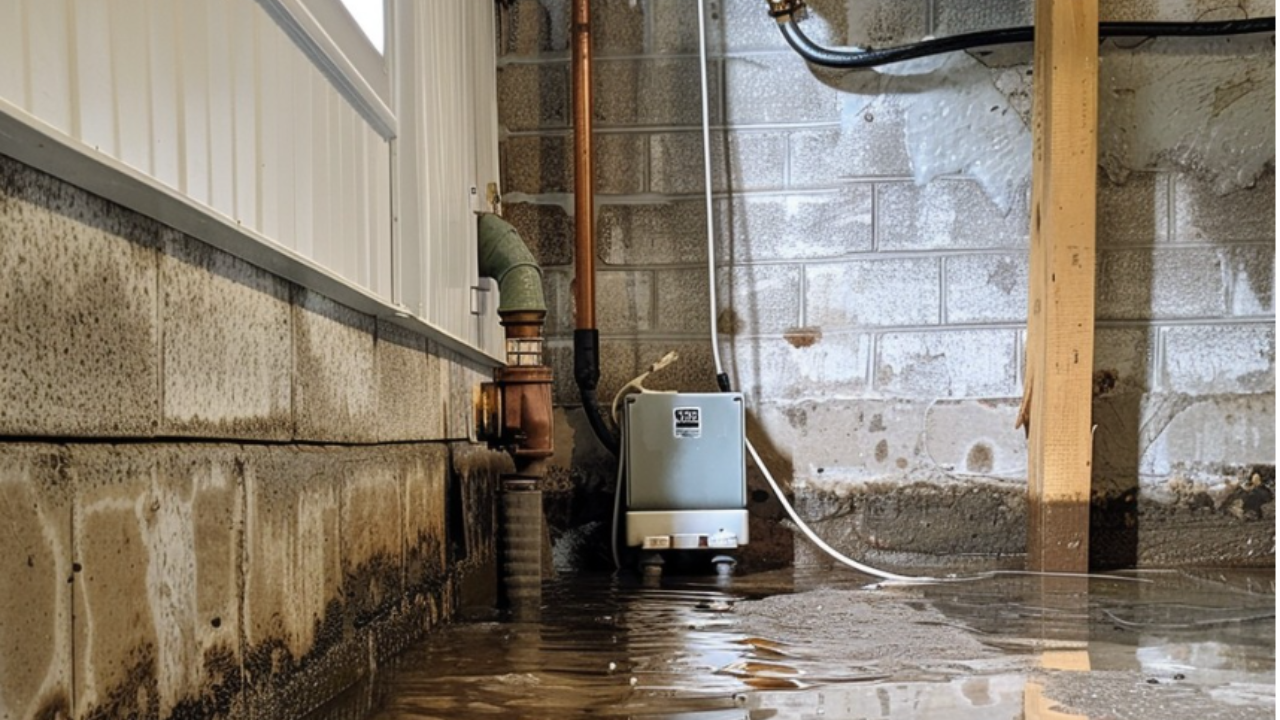
Why Your Basement Walls Leak During Rain & What to Do About It
A wet basement when it rains isn’t just frustrating—it’s a sign of a bigger issue. If water seeps in every time there’s a storm, ignoring it will only lead to worse problems like foundation damage, mold, and high repair costs.
The good news? It’s fixable if you know what’s causing it and how to stop it for good.
Why You Need to Fix Your Foundation ASAP
If your foundation is leaking, cracking, or letting in water, it’s not just an inconvenience—it’s a disaster waiting to happen. Water damage leads to mold, weakens your foundation, and eventually turns into a money pit if ignored.
So, can you fix it yourself? Absolutely—but only if you do it right. Don’t waste cash on cheap patch jobs, gimmicky sealers, or waterproof paint that peels off in a year. You need contractor-grade solutions that actually work.
Below is a no-nonsense, step-by-step guide to sealing, reinforcing, and waterproofing your foundation—for good.
This guide breaks down why your basement leaks in the rain, how to fix it, and what you can do to keep it dry permanently.
Basement Walls Leak When It Rains: Causes, Fixes & Prevention
How to Stop Basement Wall Leaks When It Rains
Why Do Basement Walls Leak When It Rains?
If water is getting into your basement every time it rains, one or more of these issues is the likely cause:
Poor Drainage Around the Foundation
✔ Downspouts dump rainwater too close to the foundation. ✔ The soil around the house is not sloped away from the foundation. ✔ No exterior drainage system like a French drain or weeping tile.
Hydrostatic Pressure (Water Pushing Through Walls & Floor)
✔ Rainwater saturates the soil around the house, increasing pressure on basement walls. ✔ Water forces its way in through small cracks, joints, or porous concrete. ✔ Basement leaks are worse after heavy rains or extended periods of wet weather.
Cracks in Foundation Walls
✔ Hairline cracks in concrete can expand over time. ✔ Water enters through these cracks and spreads moisture inside the basement. ✔ Cracks caused by settling, shifting soil, or freezing/thawing cycles.
Failing or Missing Waterproofing
✔ Older homes often lack exterior waterproofing. ✔ Waterproofing membranes deteriorate over time, letting moisture seep in. ✔ Interior sealers only block minor moisture but don’t stop active leaks.
Clogged or Failing Drainage Systems
✔ Clogged or broken French drains or weeping tiles can’t move water away from the house. ✔ Drainage systems that haven’t been maintained fail over time. ✔ Water pools around the foundation, increasing pressure and forcing leaks inside.
Basement Water Leaks After Rain: Causes, Fixes & Prevention
Rainwater Seeping Into Your Basement? Here’s How to Keep It Dry
How to Fix a Basement Leak When It Rains
Fixing the problem depends on where the water is coming from. Here’s a breakdown of the most effective solutions.
Improve Exterior Drainage
✔ Extend downspouts at least 5 feet away from the foundation. ✔ Grade the soil around the home so water flows away from the basement. ✔ Install a French drain to move groundwater away from the house. ✔ Clean gutters regularly to prevent overflow and excess water near the foundation.
Seal Foundation Cracks
✔ Use epoxy injection for structural cracks. ✔ Use polyurethane sealant for flexible waterproofing. ✔ Monitor cracks—if they grow over time, it may be a sign of foundation movement.
Waterproof the Basement Walls
✔ Apply a waterproofing sealant on interior walls to reduce dampness. ✔ Install an exterior waterproofing membrane for a permanent solution. ✔ Add drainage boards to channel water down to a drainage system.
Install or Upgrade a Sump Pump System
✔ A sump pump removes collected water before it can flood the basement. ✔ Battery backup is essential in case of power outages during storms. ✔ A professional can install a sump pit and drainage pipes for maximum efficiency.
Fix or Replace Drainage Systems
✔ Check if the French drain or weeping tile is clogged and clean it if needed. ✔ If the system is failing, a new exterior drainage system may be required. ✔ Properly functioning drainage keeps groundwater from reaching the foundation.
Check out Gorilla Waterproof Caulk & Seal 100% Silicone Sealant—highly recommended based on experience! Durable and waterproof, it seals gaps and cracks to keep water out.
Best Waterproof Sealants for Leaking Basement Walls: Powerful Solutions That Work
Ensuring your home's foundation remains watertight is crucial for maintaining its structural integrity. Based on our experience, we've found the following products to be highly effective in preventing and repairing leaks:
Liquid Rubber Concrete Foundation and Basement Sealant
This water-based coating creates a protective waterproof membrane on concrete surfaces. It's easy to apply and suitable for both indoor and outdoor use, effectively preventing water infiltration in basements and foundations. We've used it in several projects and found it to be reliable and durable.
Best: Liquid Rubber Waterproof Sealant - Multi-Surface Leak Repair Indoor and Outdoor Coating, Water-Based, Easy to Apply, Original Black, 1 Gallon
RadonSeal Concrete Foundation Crack Repair Kit
Designed for DIY enthusiasts, this kit utilizes a low-pressure polyurethane injection to fill and seal cracks in poured concrete walls. It effectively stops water leaks and prevents further structural damage. Our team has tested this kit and appreciates its comprehensive approach to crack repair.
40' Contractor Polyurethane Foundation Crack Repair Kit
This professional-grade kit includes all necessary materials to repair up to 40 feet of concrete foundation cracks. The hydrophobic polyurethane expands to fill cracks, creating a long-lasting seal against water intrusion. We've recommended this kit to contractors who require a robust solution for extensive repairs.
Rain Guard Water Sealers Concrete Sealer
Armor WB25 High Gloss Wet Look Concrete Sealer and Cure & Seal 5 Gallon - Professional Grade Color Enhancing Water Based Acrylic Sealer for Exterior Concrete and Pavers
A penetrating water repellent sealer that provides long-lasting protection for all porous concrete surfaces. This water-based silane/siloxane sealant is ready to use and helps prevent water damage. In our experience, it's an excellent choice for preserving the longevity of concrete structures.
Liquid Rubber Waterproof Sealant
A versatile, multi-surface leak repair solution that forms a durable, waterproof membrane. Suitable for various applications, including concrete walls, it offers a protective barrier against water ingress. We've applied this sealant in multiple scenarios and found it to be highly effective.
Investing in these products can significantly enhance your home's defense against water-related issues. Our hands-on experience with each has demonstrated their reliability and effectiveness in various situations.
Read Also: The 5 Best Materials & Tools to Fix a Leaking Foundation
The Contractor’s No-BS Guide to Fixing Your Leaking Foundation—DIY Edition
Basement Waterproofing 101: Stopping Leaks from Rain & Groundwater
Signs of Rainwater Leaks in Basement Walls & How to Fix Them Fast
When a Basement Leak Means Structural Damage
Not all leaks are just water problems—some mean your foundation is compromised. These are the warning signs:
- Horizontal cracks along the basement walls? Your foundation may be bowing inward.
- Large or widening vertical cracks? Could be serious foundation settlement.
- Water seeping through multiple cracks? Structural repair may be needed.
- Walls that feel damp even when it’s not raining? Long-term water damage is present.
Ignoring structural warning signs can lead to major repairs costing $20,000+. Fixing leaks early prevents expensive foundation problems.
In-Focus: The One Wall Leak Fix Nobody Talks About—Capillary Breaks & Smart Venting
Most people think waterproofing walls is all about slapping on some sealant, maybe patching a crack, or regrading the soil. But that’s just treating the symptom—not the cause.
What we learned over the years? Water doesn’t just leak in—it gets pulled in. That’s right. Water doesn’t need a big gap or obvious crack to sneak into your walls. It can literally be sucked in through tiny pores in concrete, bricks, or even wood framing.
This is where capillary action comes in—and this is why most homes leak even if they “look” sealed.
What’s Really Happening?
Ever wonder how trees pull water from the ground all the way up to the leaves? That’s capillary action—the way water moves upward through tiny pores in a material.
Now apply that to your foundation, basement walls, or even exterior siding. Rainwater doesn’t just sit there—it gets absorbed, pulled up, and spreads throughout the material. If you’ve ever seen paint bubble, plaster crumble, or your walls feel damp but you can’t find a visible crack, this is what’s happening.
The Fix: Capillary Breaks & Smart Venting
We used to spend way too much time fighting leaks with standard waterproofing methods, only to find moisture coming back in different ways. Then we discovered capillary breaks.
Capillary Breaks—The Ultimate Water Barrier
✔ What it is: A material or layer that stops water from being absorbed into the wall.
✔ How it works: Instead of letting water "wick" up from the soil or soak through a porous material, it forces it to stop.
Where You Need It:
1️⃣ Below the Foundation or Slab
- Ever notice basements getting damp from the bottom up? That’s because concrete is acting like a sponge.
- Fix: A capillary break layer (plastic sheeting, waterproof membrane, or even a gravel layer) underneath the slab stops this completely.
2️⃣ Between Brick & Framing
- Bricks absorb water like crazy—especially after rain.
- Fix: A simple air gap or drainage plane behind the brick veneer keeps water from soaking into the framing.
3️⃣ On Top of Basement Walls
- A basement wall can pull moisture upward, leading to moldy drywall, crumbling plaster, or damp insulation.
- Fix: A capillary break at the top of the foundation (such as a metal or plastic flashing) stops moisture from traveling into the walls above.
Smart Venting—Let the Wall Breathe (The Right Way)
Another thing we learned? Trapping moisture is worse than letting some in. If water does get behind your walls, it needs a way to escape, not get stuck inside.
Old School Venting Mistakes:
❌ Sealing everything airtight with plastic → Traps moisture inside, causing rot & mold.
❌ Relying on weep holes alone → Good start, but they clog easily if not maintained.
How to Vent Walls Properly:
✔ Drainage Plane Behind Brick or Siding → An air gap + drainage mat lets water exit instead of soaking into the structure.
✔ Hidden Vent Slots at the Top & Bottom → Allows trapped moisture to escape naturally.
✔ Breathable Waterproofing → Some coatings stop water but still let vapor escape (unlike standard plastic barriers).
Takeaway—What We Learned
✔ Waterproofing isn’t just about blocking water—it’s about controlling it.
✔ Capillary action pulls water in—so capillary breaks STOP it.
✔ Venting walls properly prevents hidden rot, mold, and endless repairs.
✔ Doing this right from the start saves thousands in repairs later.
If you’re still dealing with leaks after trying sealants and waterproofing paint, this is probably why. Fix the capillary action problem first, and your walls will finally stay dry.
Cost Breakdown: Fixing a Basement Leak
| Solution | Estimated Cost | When to Use |
|---|---|---|
| Crack Repair (Epoxy Injection) | $500–$3,000 | Sealing small to medium cracks before they expand. |
| Sump Pump Installation | $1,500–$3,500 | Removing water that collects inside the basement. |
| Interior French Drain | $3,000–$10,000 | Redirecting water inside the basement to a sump pump. |
| Exterior Waterproofing | $8,000–$20,000 | Best long-term solution, stops water before it reaches the basement walls. |
| Foundation Repair (Underpinning, Anchors) | $10,000–$50,000+ | Needed if the foundation is shifting, bowing, or settling. |
- Fixing leaks early saves thousands in future damage and repairs.
- Exterior solutions stop water at the source, but cost more upfront.
- Interior fixes manage water inside, but don’t stop the source of the leak.
Top Books on Preventing Wall Leaks
Ensuring your home remains dry and free from leaks involves both understanding the underlying causes of moisture intrusion and having the right tools to address them. Below are some highly recommended books and tools available on Amazon that can assist you in this endeavor.
-
Water in Buildings: An Architect's Guide to Moisture and Mold
This comprehensive guide delves into how water interacts with building materials and offers strategies to anticipate and manage moisture issues in design. It's an invaluable resource for creating dry, healthy environments.
-
Roofing, Flashing, and Waterproofing (For Pros By Pros)
Crafted by experts from Fine Homebuilding magazine, this book provides field-tested techniques to protect your home from water damage, focusing on roofing and flashing methods.
-
An Introduction to Design of Building Envelopes for Thermal Efficiency and Airtightness
This technical guide offers insights into sealing exterior building wall systems to prevent air and water leakage, emphasizing the importance of airtight construction for energy efficiency.
Essential Tools for Sealing Wall Leaks
-
Flex Seal MAX
A versatile waterproof rubber spray-on sealant, ideal for instantly stopping leaks in gutters, roofs, and more. Its clear formula ensures a discreet repair.
-
Gorilla Waterproof Caulk & Seal 100% Silicone Sealant
This durable, waterproof sealant is perfect for sealing gaps and cracks in walls, preventing water intrusion effectively.
-
20' Fast Set Concrete Foundation Crack Leak Repair Kit
Designed for homeowners, this kit provides all necessary materials to repair leaking cracks in concrete foundations, ensuring a watertight seal.
Investing in these resources and tools can equip you with the knowledge and means to effectively prevent and address wall leaks, safeguarding your home from potential water damage.
FAQ
Basement Leaks in Heavy Rain
🔹 Can I fix a basement leak myself?
✔ Small cracks? Yes. Major leaks? Likely need a professional.
🔹 Will waterproof paint stop my basement from leaking?
❌ No. It helps reduce dampness but won’t stop active leaks.
🔹 Do I need a sump pump if my basement only leaks sometimes?
✔ If water pools during heavy rain, a sump pump can prevent future flooding.
🔹 What’s the best way to keep water away from my foundation?
✔ Proper drainage, exterior waterproofing, and grading are key.
Sources & References
- U.S. Department of Housing & Urban Development (HUD) – Home Repair Programs
- National Association of Waterproofing & Structural Repair Contractors (NAWSRC) – Foundation Waterproofing Guide
- Federal Emergency Management Agency (FEMA) – Basement Flood Prevention