

Colonial Architecture: A Beginner’s Free Course to Its Design and History
Most people studying Colonial architecture get stuck in dates and trivia. They miss the point.
This guide strips it down to what actually matters. How Colonial design works. Where it came from. Why it still shows up in American homes, renovations, and planning today.
No lectures. No textbook talk. Just useful insight you can apply right away.
What Makes This Guide Different:
▪ Real design logic, not just history
▪ Simple breakdowns of materials, layout, and style
▪ Visual examples, not endless text
▪ Built from real experience, not recycled facts
You don’t need to memorize timelines. You need to see how Colonial design works; and how to use it.
FIELD PICK
Want a piece that actually fits Colonial interiors?
This solid wood reproduction armchair nails the proportions, materials, and presence you'd expect in an authentic Colonial-style room. No plastic. No shortcuts.
MUST SEE:
Glitzhome Mid-Century Colonial Armchair – Solid Rubberwood Frame, Linen Cushion
✓ Real wood build
✓ Classic lines with updated comfort
✓ Clean enough for modern use, rooted in tradition
What Is Colonial Architecture?

Image: The French Quarter in New Orleans, showcasing colonial-style architecture with iconic wrought iron balconies and historic buildings along narrow, cobblestone streets.
Colonial architecture includes the styles created by European settlers between the 1600s and 1800s. It was about function, adaptation, and survival in unfamiliar landscapes.
These settlers: ▪ Used local materials like wood, brick, and adobe
▪ Tweaked designs for climate—steep roofs for snow, wide verandas for shade
▪ Kept things symmetrical, simple, and durable
Colonial design is more than a style—it’s a lesson in practicality and cultural identity under pressure. And it's still shaping the way we build today.
For more details: Introduction to Colonial Architecture: Exploring Its Origins and Design

How to Recognize Colonial Architecture: Common Traits
Colonial Architecture Basics: Style, Form, and Details
General Characteristics of Colonial Architecture
Learn how to spot this classic style by its layout, materials, windows, roofs, and more.

Image: Mission San Xavier del Bac in Tucson, Arizona, exemplifies Spanish Colonial architecture with its grand arched entrances and detailed façade, reflecting historical design.
Colonial Architecture: Key Features You Should Know
Colonial architecture is rooted in practicality, local resources, and clean symmetry. It wasn’t about flash—it was about survival, structure, and lasting design.
What Makes Colonial Architecture Unique? A Simple Breakdown
▪ Simple, Balanced Designs
Most Colonial homes follow a basic rectangular shape with:
-
A central front door
-
Evenly spaced windows
-
Symmetrical facades
This balance made construction easier—and visually pleasing.
▪ Materials That Made Sense
Builders used whatever was close at hand:
-
Brick in the South
-
Wood in New England
-
Stone in Pennsylvania and the Mid-Atlantic
This gave each region a slightly different look, even under the same design rules.
▪ Roofs That Fit the Climate
You’ll see different roof styles depending on the region:
-
Gable roofs – great for snowy areas
-
Gambrel roofs – gave more room upstairs
-
Hip roofs – more wind-resistant, ideal near the coast
Each choice was based on function first.
▪ Windows, Doors, and Shutters
-
Small-pane, double-hung windows
-
Wooden shutters for extra protection
-
Centered front door with simple detailing
Everything was sized and placed for practicality.
▪ Modest Details with Charm
Even though early Colonial homes weren’t decorative, they had:
-
Thin trim around windows and doors
-
Simple columns or pilasters on porches
-
Minimalist cornices and roof edges
It was more about proportion than ornament.
▪ Smart Interior Layouts
Inside, the layout followed a central-hall plan:
-
One or two rooms per side
-
Fireplaces as the heat source
-
Wood paneling for insulation
-
Sturdy furniture, often handmade or passed down
In wealthier homes, you’d see imported decor—but most stayed humble.
◾ Key Takeaways
✔ Colonial homes were all about function, simplicity, and using what was available
✔ Style was clean and symmetrical—not fancy, but well-balanced
✔ Regional climate and materials played a huge role in how each home was built
- Key Features of Colonial Style Columns
- Exploring Colonial Style Trim in Modern Homes
Key Features of Colonial Style Columns

Image: Exterior view of Victoria Memorial Hall in Singapore, showcasing colonial-style architecture with grand columns and classical design in black and white.
Colonial columns were more about subtle structure than flair.
▪ Styles You’ll See:
- Tuscan or Doric columns: Round and plain, not fluted
- Square wood columns: Common on porches and entryways
- Pilasters: Flat, decorative versions of columns attached to walls
▪ Why They Worked:
- Simple and easy to build
- Added vertical balance to facades
- Made homes look more formal without going overboard
Today, these columns are still used in modern builds for their timeless appeal.
Exploring Colonial Style Trim in Modern Homes
Trim in Colonial homes was all about subtle framing and neatness.
▪ Traditional Uses:
- Window casings with clean, squared edges
- Crown molding just under the roof or ceiling line
- Baseboards and chair rails to divide wall height
▪ How It's Used Today:
- Builders still use Colonial trim profiles for a clean, classic look
- Works well in both historic restorations and modern farmhouse interiors
- Often painted white or off-white to match modern minimalism
Colonial trim helps modern homes feel grounded and structured—while keeping things simple and timeless.
Evolution of Colonial Architecture
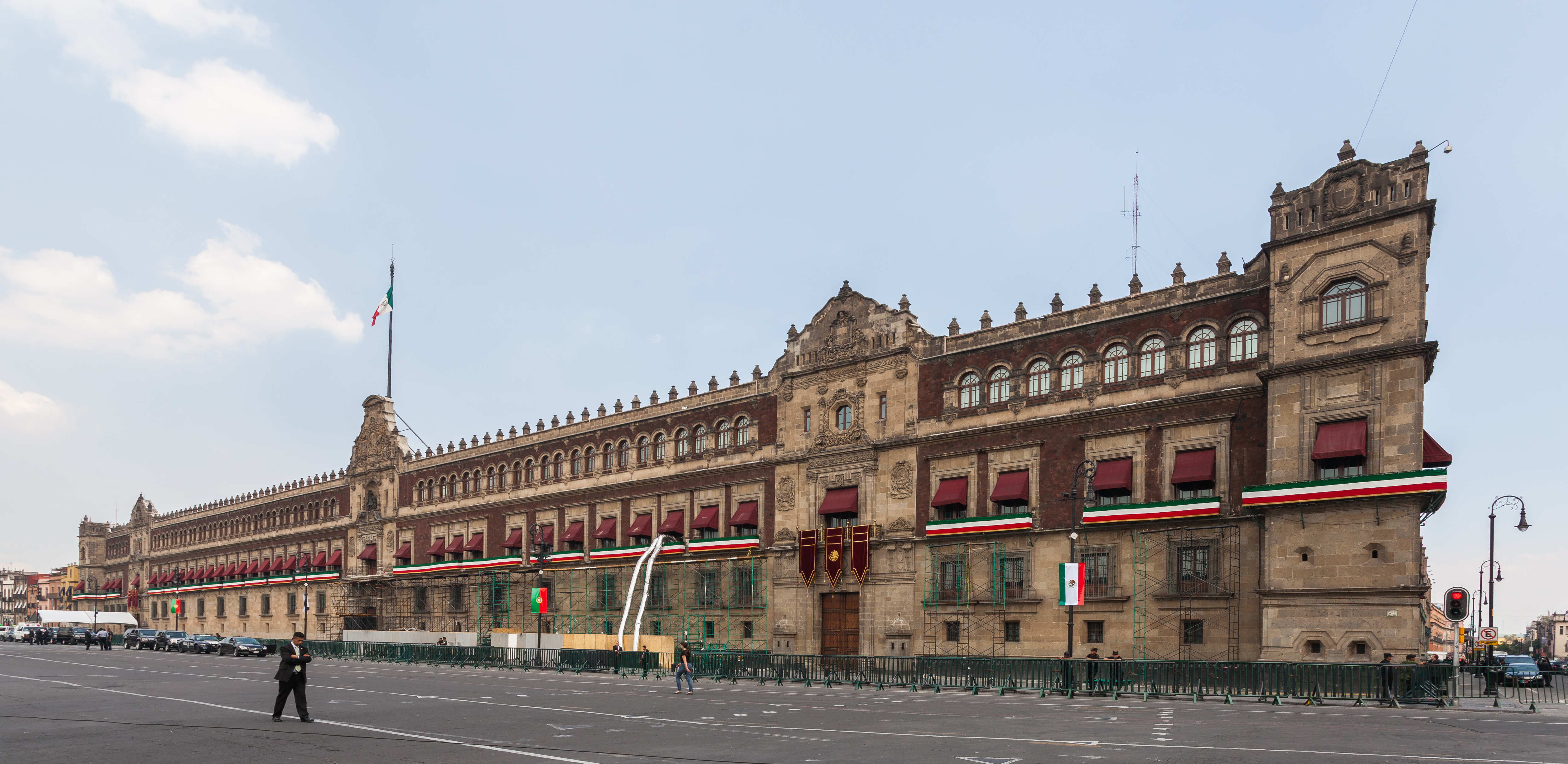
Image: Exterior of Palacio de Gobierno in Mexico, a prime example of colonial-style architecture with intricate details and classic design elements.
Colonial architecture didn’t happen overnight—it evolved as settlers adapted to new environments, climates, and cultural influences. Each phase tells us something about how people lived, what they valued, and how they solved problems with design.
▪ Early Colonial Architecture (1500s–1600s)
This was survival mode.
- Most buildings were simple, boxy structures.
- Materials were local: wood, stone, clay, even mud.
- Roofs were steep to shed snow and rain.
- One or two rooms max, usually centered around a fireplace.
What made this era special:
▪ Practicality ruled—there was no time for fancy details. ▪ Some settlers borrowed ideas from Native American dwellings. ▪ Everything had to be built fast and last through rough winters.
What to focus on:
- Resourcefulness in design.
- Early signs of regional adaptation.
▪ Spanish, French, and English Colonial Styles
As different European countries colonized North America, their home styles came with them—but with local twists.
▪ Spanish Colonial (Southwest US)
- Thick adobe walls to keep out the heat.
- Flat or gently sloped roofs.
- Central courtyards with fountains or gardens.
▪ French Colonial (Mississippi Valley)
- Raised homes to handle flooding.
- Broad porches ("galleries") for shade and air circulation.
- Timber framing with brick or stucco infill.
▪ English Colonial (New England & Mid-Atlantic)
- Steep roofs and central chimneys.
- Box-like symmetry and wood siding.
- Windows arranged in even rows.
What made this era special:
▪ Each group adapted their traditions to survive the local climate. ▪ English Colonial became the dominant style in many regions.
What to focus on:
- Comparing how each colonial power adjusted to their new environment.
- Recognizing recurring features like symmetry, modest ornamentation, and regional materials.
▪ Georgian Colonial Architecture (1700s)
Time to get fancy.
- Influenced by British architecture and classical ideals.
- Emphasis on balance, symmetry, and proportion.
- Brick facades, paneled doors, and multi-pane windows.
Special features:
▪ Central hallway with rooms on either side. ▪ Dormer windows and decorative crown molding. ▪ Larger homes reflected rising wealth, especially in the South.
What made this era special:
▪ Wealthy families used architecture to show status. ▪ The architecture was more refined, reflecting Enlightenment ideals.
What to focus on:
- How classical influence showed up in Colonial design.
- The shift from function-only homes to form + function.
▪ Federal & Greek Revival Influence (Late 1700s–Early 1800s)
Colonial styles merged with new national identity.
▪ Federal Style
- Clean lines and refined details.
- Fanlights above doors, elegant ironwork.
- Emphasis on lightness and symmetry.
▪ Greek Revival
- Columns, pediments, and white exteriors.
- Inspired by ancient Greek democracy.
- Popular in both civic and residential buildings.
What made this era special:
▪ Marked the birth of American design distinct from British roots. ▪ Architects began seeing design as a political and cultural expression.
What to focus on:
- How symbolism and national pride shaped buildings.
- How designers started blending beauty and meaning.
▪ Colonial Revival & Preservation (Late 1800s–1900s)
- New homes built to mimic older Colonial styles.
- Larger, more decorative versions of early homes.
- Modern materials with classic facades.
Why it happened:
▪ Industrialization made people long for "simpler times." ▪ A national movement pushed to preserve actual Colonial homes.
What made this era special:
▪ Colonial design became the face of the American suburb. ▪ You’ll still see Colonial Revival influences today in public buildings, libraries, and homes.
What to focus on:
- How historical identity influenced new construction.
- The balance between preservation and reinvention.
Understanding its evolution helps us:
- See how design and society shape each other.
- Recognize the impact of culture, climate, and economics.
- Appreciate how past ideas still show up in homes today.
How to Spot Colonial Architecture (Without Feeling Like You’re Taking a Quiz)
Think of this as a quick cheat sheet—not a lecture. Colonial homes are surprisingly easy to spot once you know what to look for.
Here’s how to recognize one without breaking into a sweat:
▪ Symmetry Everywhere
Colonial homes love balance.
If one side mirrors the other—with the same number of windows and a centered front door—you’re probably looking at one.
It’s the architecture equivalent of someone who color-codes their sock drawer.
▪ Front Door Center Stage
That door is almost always right in the middle, framed by matching windows.
It’s not just about looks—it’s a functional layout that’s stood the test of time.
▪ Classic Materials
Look for:
-
Brick
-
Wood
-
Stone
Bonus points if it looks weathered. These materials were chosen for practicality, not flash.
▪ Multi-Pane Windows
Windows are small and square-ish, with wooden grids (muntins) dividing them.
Often paired with shutters. Think “classic charm,” not “modern glass palace.”
▪ Big, Bold Chimneys
One or two chunky chimneys—usually at the ends.
These homes weren’t built for aesthetics alone—they were built to survive winters.
▪ Steep Roofs
The roofs are usually:
-
Gabled
-
Steep enough to shed snow and rain easily
They’re not overly decorative—just functional and solid.
▪ Simple and Clean
No unnecessary fuss.
If it feels straightforward, well-built, and intentional, you’re likely looking at Colonial.
They’re not boring—they’re elegantly efficient.
Now you’ve got the basics. Next time you’re walking through an older neighborhood, you’ll start noticing these details like a pro.
Just don’t start pointing at every house like you’re on a guided tour—unless your friends are into that.
The Global Influence of Colonial Architecture
How European Styles Changed (and Were Changed) Around the World
Colonial architecture didn’t stay stuck in Europe. When colonial powers expanded, they brought their building traditions with them—but what happened next was more than copy-paste.
The result? A rich mix of styles that fused European structure with local climate, materials, and culture. These hybrids still shape architecture today.
▪ British Colonial Architecture
Where: India, Africa, Australia
India
-
Blended British Gothic and Renaissance with Indian features
-
Gave rise to the Indo-Saracenic style
-
Examples: domes, arches, courtyards—like the Victoria Memorial in Kolkata
Africa
-
Adapted for hot climates
-
Included large windows, high ceilings, and shady verandas
Australia
-
Imported Georgian and Victorian styles
-
Adapted to heat and landscape
-
Led to the Queenslander style: raised homes, wide verandas, great airflow
▪ French Colonial Architecture
Where: Southeast Asia, North & West Africa
Vietnam
-
Combined Beaux-Arts with tropical features
-
Wide verandas, tall ceilings, and lots of shade
-
Used local wood and stone for better climate adaptation
Africa
-
Symmetrical, formal layouts
-
Influenced by Parisian design, but adjusted for airflow and heat
-
Often used in government buildings and schools
▪ Spanish Colonial Architecture
Where: Philippines, Caribbean
Philippines
-
Thick adobe walls, clay tile roofs
-
Deep porches and large wooden windows with shutters
-
Blended Spanish form with tropical function
Caribbean
-
Central plazas surrounded by civic buildings
-
Bright colors, courtyards, and decorative ironwork
-
A lively, tropical twist on traditional Spanish design
▪ Portuguese Colonial Architecture
Where: Brazil, Mozambique, Angola
Brazil
-
Baroque churches and public squares
-
Whitewashed walls, red tile roofs
-
Beautiful azulejo tiles (painted ceramic) used as wall decor
Africa
-
Used local stone and wood
-
Designed to stay cool with shaded areas and breezeways
-
Functional, modest, and deeply rooted in climate needs
▪ Dutch Colonial Architecture
Where: Indonesia, South Africa
Indonesia
-
Big shaded porches, tall ceilings, thick walls
-
Used teak and volcanic stone
-
Combined Dutch efficiency with tropical climate needs
South Africa (Cape Dutch style)
-
Whitewashed walls, ornate gables, and thatched roofs
-
A unique style that became part of the region’s identity
-
Still common in vineyards and estates in the Western Cape
Why This All Matters
These styles weren’t just exported—they were reshaped.
Colonial architecture evolved in each location, blending local building wisdom with foreign ideas. This led to styles that:
● Solved local environmental problems
● Respected (or sometimes clashed with) existing cultures
● Influenced how entire cities were built—many layouts and materials are still used today
What to Focus On:
✔ How each colonial power adapted differently
✔ What materials were used and why
✔ Which styles have lasted—and what replaced them
✔ How Indigenous and European elements mixed or clashed
In Focus: Not Just Imitation—Innovation
Colonial buildings weren’t always cultural imposition. In many cases, locals contributed techniques that improved European designs.
Examples:
-
Indian builders helped shape Indo-Saracenic structures
-
Caribbean masons taught Spanish settlers how to handle hurricanes
-
African artisans influenced decorative elements on colonial homes
So while the power dynamic was uneven, the resulting architecture was often a shared effort.
Related Articles:
- The Global Influence of Spanish Colonial Revival Architecture
- Comparing Dutch and British Colonial Architectural Styles
The Real Impact: How Colonial Architecture Affected Local People
Colonial architecture didn’t arrive in a vacuum—it landed in places where people already had their own ways of building, living, and using space. When settlers built structures using European styles, it changed not just the skyline but the cultural fabric of the local communities. Let’s break it down honestly.
● What Was Lost: Traditional Styles Replaced or Forgotten
In many colonized regions, local building traditions were pushed aside.
▪ Indigenous African huts, made of thatch and mud, were replaced by imported brick houses with gabled roofs. These weren’t always suited to the climate or available materials.
▪ In Southeast Asia, traditional stilt houses were replaced with European-style bungalows, ignoring local solutions for flood and heat management.
▪ In the Caribbean, vernacular island styles were often bulldozed to make room for rigid European symmetry and stone buildings—unsuitable for hurricanes.
▪ Native communities in the Americas lost entire architectural systems—like the adobe pueblos or longhouses—as Colonial settlements took over land and labor.
This shift didn’t just erase local craftsmanship—it disrupted how people interacted with their environments. In many cases, buildings stopped being extensions of their climate and culture and became symbols of foreign control.
● What Was Gained: New Techniques, Tools, and Materials
On the flip side, Colonial architecture introduced construction methods that were sometimes adopted and adapted by locals:
▪ Masonry techniques from Europe helped with long-term durability—especially in areas prone to fire or storms.
▪ New tools and drafting methods improved precision, allowing locals who entered colonial trade schools or apprenticeships to gain technical skills.
▪ Colonial schools and churches, while controversial, often doubled as the first formal educational and healthcare buildings in rural regions.
▪ In some areas, hybrid architecture emerged—a mix of local style with colonial influence, like the Creole townhouses in New Orleans or Indo-Dutch buildings in Jakarta.
Locals weren’t passive. Many adapted and reinterpreted colonial styles into something new—functional, aesthetic, and culturally hybrid.
● Power and Identity: Who Got to Build and Who Got Left Out
Let’s be real—Colonial architecture wasn’t just about style. It also represented power, privilege, and control.
▪ Grand colonial homes were often built by local laborers but for colonial officials, reinforcing class and racial divisions.
▪ In many regions, local architects were excluded from decision-making roles and reduced to builders or craftsmen.
▪ Public buildings (like courthouses or city halls) were designed to project dominance, not cultural inclusivity.
Even today, in formerly colonized countries, colonial buildings dominate city centers while traditional styles are often confined to rural areas or tourist zones.
◻ What to Focus on When Studying This Topic
If you're learning about Colonial architecture, don’t just look at the buildings. Ask:
▪ Who designed it, and who built it?
▪ Was it climate-appropriate, or imported without context?
▪ Did it replace, erase, or merge with local traditions?
▪ Who benefited—and who didn’t?
Architecture is never neutral. It reflects values, power, and intention. Colonial styles are a perfect example of how buildings can shape identity—for better or worse.
● Final Thought: A Complicated Legacy
Colonial architecture left behind a complicated mix of influence and erasure. Some of it helped modernize infrastructure. A lot of it buried local traditions under imported ideas.
But the most inspiring part? In many places, local communities re-claimed architecture—adapting colonial forms to suit their needs, blending old and new, and telling their own stories through design.
It’s not just about bricks and mortar. It’s about history, voice, and resilience.
Regional Variations in Colonial Architecture
New England Colonial
- Characteristics and Notable Examples:
New England Colonial architecture is known for its practical and straightforward design. Homes typically featured steeply pitched roofs, central chimneys, and small windows, all reflecting the harsh New England winters. The use of wood, readily available from the surrounding forests, was prevalent in constructing these homes. One of the most iconic examples is the Saltbox house, with its distinctive long, sloping roof. - Influence of Climate and Resources:
The climate played a significant role in shaping New England Colonial architecture. The steep roofs were designed to prevent snow buildup, and the central chimney provided efficient heating. Local resources, like abundant timber, influenced the construction methods, resulting in sturdy, weather-resistant homes that could withstand the region's extreme conditions.
Southern Colonial
- Southern Colonial Architecture and Grand Mansions:
In contrast to the modest homes of New England, Southern Colonial architecture is synonymous with grandeur. Large plantation homes, characterized by wide verandas, tall columns, and expansive grounds, reflected the wealth and status of the landowners. These homes often followed the Georgian style, with a focus on symmetry and proportion, but were adapted to the warmer climate of the South. - Adaptations for Hot Climates: Southern Colonial House:
To combat the intense heat, Southern Colonial homes featured wide, shaded porches and high ceilings to promote ventilation. Large windows and doors were strategically placed to maximize airflow. The use of brick and stone, where available, also helped to keep interiors cool.
Spanish Colonial
- Spanish Colonial Architecture Features and Influence:
Spanish Colonial architecture is easily recognized by its thick adobe walls, red-tile roofs, and arched doorways. These features were not only stylistic but also practical, providing insulation against the hot climates of the American Southwest. The architecture often included courtyards and fountains, reflecting a blend of Moorish, Spanish, and Native American influences. - Spanish Colonial Revival Architecture and Modern Adaptations:
The Spanish Colonial Revival movement of the early 20th century saw a resurgence of these traditional elements in modern architecture. Today, many homes in the Southwest continue to reflect this style, blending historical design with contemporary needs. - Mexican Colonial Architecture and Influence in the American Southwest:
The influence of Mexican Colonial architecture can be seen throughout the Southwest, particularly in the use of vibrant colors, decorative tiles, and wrought iron details. This style, which developed from the Spanish Colonial tradition, adds a rich cultural layer to the architectural landscape of the region.
Dutch Colonial
- Dutch Colonial Architecture: Gambrel Roofs and Stone Construction:
Dutch Colonial architecture is most famous for its gambrel roofs, which provided more attic space and a unique silhouette. Stone construction was also common, particularly in areas with abundant stone resources. This style was practical and durable, reflecting the Dutch settlers' emphasis on efficiency and functionality. - Dutch Colonial Revival Architecture and Its Legacy:
The Dutch Colonial Revival, like other revival movements, brought back these historical elements with a modern twist. The gambrel roof became a popular feature in suburban homes across the United States, and the style's emphasis on practicality and comfort ensured its lasting appeal.
French Colonial
- Raised Basements and Wraparound Porches:
French Colonial architecture, particularly in Louisiana and along the Mississippi Valley, is characterized by raised basements and wraparound porches. These features were designed to protect against flooding and to provide shaded outdoor living spaces, which were essential in the hot, humid climate. - Influence in Louisiana and the Mississippi Valley:
French Colonial homes in these regions often featured steeply pitched roofs, tall windows, and shutters, all designed to enhance ventilation and keep interiors cool. The architecture reflects a blend of French, Caribbean, and local influences, resulting in a unique and enduring style.
Related Articles:
- Exploring Southern Colonial Architecture: A closer look at the grand plantation homes of the South and how they reflected the social and economic structures of the time.
- The Lasting Legacy of Dutch Colonial Architecture: Understanding how the practical and distinctive elements of Dutch Colonial design continue to influence modern architecture.
Thematic and Cultural Aspects of Colonial Architecture
● Urban Planning in Colonial Settlements
Colonial Town Layout
Early towns were planned with order and purpose.
Most followed a grid pattern—streets ran parallel and perpendicular.
At the center:
▫ A town square or green
▫ Surrounded by key buildings like churches, meeting halls, and markets
▫ Designed for community, visibility, and function
Lasting Influence Today
That same layout still shapes many modern cities.
Urban planners today still use:
▫ Grid systems for efficiency
▫ Central parks or plazas as community hubs
Colonial planning helped shape the idea that towns should be walkable, structured, and people-focused.
● Colonial Architecture and Social Class
Homes Told a Story
Architecture reflected status clearly.
▫ Wealthy landowners built grand mansions—symmetrical, elegant, and expansive
▫ Common settlers lived in simple homes—wooden, small, practical
The bigger and fancier the house, the higher the social rank.
Architecture as a Status Symbol
In Colonial times, materials, style, and ornamentation were about more than design—they signaled power and class.
▫ Brick and stone were more prestigious
▫ Decorative trims and large porches meant influence
Architecture was how people showed their place in society.
● Adaptation to New Climates
Design Adjusted to Environment
Settlers had to adapt their building styles to survive in unfamiliar environments:
▫ Southern colonies: large porches, wide eaves, and tall ceilings to stay cool
▫ New England: steep roofs for snow, small windows to retain heat
Homes were redesigned for function and survival.
● Use of Local Materials
Building What Was Nearby
Colonial builders used what they could find:
▫ In forested areas: wood and clapboard
▫ Where clay was abundant: brick
▫ In coastal zones: stone or shell limestone
This not only made sense logistically, but it also gave birth to the regional differences we now associate with Colonial architecture.
Related Articles:
- Urban Planning in Colonial America: A Historical Overview: A detailed examination of how Colonial towns were laid out and how these planning practices have influenced modern urban design.
- The Role of Social Hierarchy in Colonial Architecture: An exploration of how architecture during the Colonial period reflected the social structure, with a focus on the contrast between grand mansions and modest homes.
Detailed Examination of Colonial Architectural Styles
Georgian Colonial Style
- Key Features, Historical Context, and Georgian Colonial Home:
The Georgian Colonial style is marked by its symmetry, proportion, and adherence to classical design principles. Typically, these homes have a centered front door, evenly spaced windows, and a decorative crown above the door. Inside, the layout is usually a central hallway with rooms on either side, creating a balanced and orderly structure. This style became popular in the American colonies during the 18th century, reflecting the settlers' desire to emulate the architectural trends of Britain. - Notable Examples and Legacy: Georgian Colonial Mansion, Colonial Georgian House:
Georgian Colonial mansions, such as those found in Virginia and Massachusetts, are among the most iconic examples of this style. These grand homes were often constructed with high-quality materials like brick and stone, featuring detailed woodwork and elegant interiors. The influence of Georgian Colonial architecture can still be seen today in many modern homes that adopt its symmetrical design and classical elements, making it a lasting symbol of American architectural identity.
Federal Colonial Style
- Characteristics and Evolution from Georgian Style:
The Federal style emerged in the late 18th century as a refined evolution of the Georgian style. It maintained the symmetry and classical influences but introduced more delicate details and a greater emphasis on ornamentation. Arched windows, fanlights over doors, and the use of elliptical shapes became distinguishing features. The Federal style often incorporated elements from Roman architecture, reflecting the young nation's fascination with democracy and the ideals of the classical world. - Impact on American Architectural Identity: Federal Colonial Home and House:
Federal Colonial homes are a testament to the early American Republic's aspirations. These buildings represented a shift towards a more distinctly American identity, moving away from purely British influences. The Federal style's emphasis on refinement and elegance can be seen in many public buildings from the period, as well as in private homes that sought to convey a sense of sophistication and modernity.
Spanish Colonial Style
- Influence of Moorish and Native American Elements:
Spanish Colonial architecture is a blend of European, Moorish, and Native American influences. This style is characterized by its use of adobe, stucco walls, red tile roofs, and arched doorways. Courtyards, patios, and thick walls for insulation are also common features. The influence of Moorish architecture is evident in the intricate tile work and decorative ironwork, while Native American techniques were adapted for local materials and climate conditions. - Signature Features, Modern Spanish Colonial House, and Mexican Colonial Architecture:
Modern Spanish Colonial homes continue to draw on the traditional elements of this style, incorporating courtyards, arched openings, and terracotta roofs into contemporary designs. In the American Southwest, Mexican Colonial architecture remains a strong influence, with its emphasis on indoor-outdoor living spaces and the use of local materials. These homes often blend historical features with modern amenities, creating a timeless yet functional design.
Dutch Colonial Style
- Distinctive Roof Designs and Practical Innovations: Dutch Colonial Gambrel Roof, Dutch Colonial Farmhouse:
The Dutch Colonial style is most easily recognized by its distinctive gambrel roof, which allows for a full second story of living space under the eaves. This practical innovation was particularly useful in the harsh climates of the Northeast, where maximizing interior space was essential. Dutch Colonial farmhouses often feature wide porches, central chimneys, and a sturdy, simple design that reflects the settlers' need for functionality and durability. - Influence on Modern Suburban Architecture: Modern Dutch Colonial House:
The Dutch Colonial style has left a lasting mark on suburban architecture in the United States. Many modern homes adopt the gambrel roof and other elements from this style, blending them with contemporary features. This fusion of old and new has made the Dutch Colonial style a popular choice for those looking to evoke a sense of tradition and history in a modern setting.
French Colonial Style
- Adaptation to Tropical Climates:
French Colonial architecture, prominent in regions like Louisiana and the Mississippi Valley, was designed to suit the hot, humid climates of these areas. Raised basements, wide wraparound porches, and high ceilings are key features that helped keep homes cool and dry. The use of locally sourced materials, such as cypress wood and brick, also contributed to the style's adaptability and resilience in tropical environments. - Legacy in the Gulf Coast Region:
The legacy of French Colonial architecture is most visible in the Gulf Coast region, where many historic homes and buildings still stand as examples of this style. These structures have influenced the architectural character of the area, blending French, Spanish, and Caribbean elements to create a unique and enduring regional style. Today, modern adaptations of French Colonial design continue to be popular in the Southern United States, where their practical features are still relevant.
Related Articles:
- Understanding the Georgian Colonial Style: An in-depth look at the key features and historical context of the Georgian Colonial style, with examples of notable homes and their influence on American architecture.
- Spanish Colonial Homes: A Blend of Cultures: Explore how Spanish Colonial architecture combines European, Moorish, and Native American elements to create a unique style that continues to inspire modern designs.
Architectural Techniques and Innovations in Colonial Architecture
Colonial architecture didn’t just copy Europe—it adapted. Early settlers brought building knowledge from their home countries, but the challenges of the American environment forced them to innovate fast.
The result? A mix of smart design, local materials, and practical methods that helped shape what we now recognize as Colonial architecture.
▪ How Colonial Homes Were Built
Timber Framing
● Popular in New England
● Used heavy wooden beams for structure
● Flexible and strong—great for cold, stormy weather
● Easy to repair or expand as families grew
Masonry Construction
● Common in the Mid-Atlantic and Northern colonies
● Brick and stone were fire-resistant and long-lasting
● Required more skill but offered better protection
Why It Mattered
The type of construction depended on what materials were nearby and how harsh the climate was.
▪ Adapting European Methods to New World Conditions
Settlers had to tweak what they knew:
● Chimney innovation:
→ In Europe, homes had multiple fireplaces
→ In America, the central chimney heated several rooms at once—great for harsh winters
● Roof design:
→ Steep roofs in snowy regions to shed water
→ Wide eaves in hot areas for shade
Focus Tip:
Colonial homes were built with purpose—every design tweak solved a real problem.
▪ How Colonial House Design Evolved
At first, homes were tiny. Just one room and a fireplace.
But as settlements grew, so did the homes:
● Two-story houses became more common
● Floorplans included multiple bedrooms, kitchens, and living areas
● Homes reflected stability and long-term living
Different Regions, Different Styles:
● New England – Brick and wood homes with steep roofs
● The South – Larger homes with porches and wide-open layouts
● Southwest – Adobe homes adapted from Native and Spanish methods
▪ Local Materials = Smart Design
Colonial builders used what they had:
● Wood in forest-rich areas
● Brick and stone in northern colonies
● Adobe and stucco in the Southwest
This made homes:
● Cheaper to build
● Better suited to the climate
● Unique to each region
● Tools & Methods Used
Colonial builders relied on basic but effective tools:
▪ Saws, chisels, and wooden mallets for shaping timber
▪ Mortar, trowels, and bricks for masonry
▪ Hand-drawn blueprints and measurements from pattern books
Even without today’s tech, they achieved strong, symmetrical buildings that still stand today.
● The Impact of European Builders
Europeans didn’t just bring tools and materials—they brought architectural thinking.
▪ Many were trained in classical design, like Georgian symmetry and balance
▪ They introduced proportions, facades, and trim details not seen in local building traditions
▪ Their work helped bridge the gap between basic shelter and formal architecture
Result: Colonial buildings started to reflect not just function—but form and beauty too.
● What Made Colonial Architecture Special?
Focus on these core traits if you're studying or restoring Colonial architecture:
▪ Simplicity in layout
▪ Symmetry in design
▪ Smart adaptation to local conditions
▪ Use of local materials
▪ Clear influence from European styles, but with practical updates
In Summary: Colonial architecture was never about copying Europe—it was about survival, adaptation, and growth.
Settlers made smart, resourceful choices that shaped how American buildings look today. From central chimneys to pattern books, every detail had a reason—and a lesson we can still learn from.
Related Articles:
- The Role of Local Materials in Colonial Architecture: Explore how the availability of materials like brick, stone, and wood influenced the development of Colonial architectural styles across different regions.
- Innovations in Colonial Home Blueprints and Design: Delve into the design innovations that emerged during the Colonial period, including the introduction of multi-room layouts and the central chimney.
- Brick and Stone Construction in Northern Colonies: Learn about the construction techniques used in the Northern colonies, where brick and stone were the primary building materials.
- Adobe and Stucco in Spanish Colonies: Discover how Spanish settlers in the Southwest adapted traditional European building techniques to the hot, dry climate of the American desert.
- The Influence of European Architects on Colonial America: Understand how European architects and pattern books shaped the development of Colonial architecture in the New World.
Early settlers were pretty resourceful when it came to Colonial architecture. They didn't just stick to old European methods; they adapted them using local materials and conditions.
This blend led to a rich and diverse architectural style that’s still influencing American home design today.
Their knack for innovation left us with a legacy that’s as impressive as it is enduring.
The Role of Colonial Architecture in Modern Design
Colonial architecture has significantly influenced modern design, particularly through the Colonial Revival movement. This architectural style, which became popular in the late 19th and early 20th centuries, reintroduced classic elements of Colonial architecture into contemporary homes and public buildings, leaving a lasting mark on American suburbs and civic spaces.
Colonial Revival Architecture: Characteristics and Modern Interpretations
The Colonial Revival style emerged as a nostalgic response to the early American architecture’s elegance and simplicity. It was characterized by symmetrical facades, gabled roofs, and classical elements like columns and pediments. Today, Colonial Revival style homes often blend these traditional features with modern design trends, creating homes that are both timeless and contemporary.
For instance, a Colonial Revival style home might incorporate open floor plans, large windows, and modern materials, yet still retain the classic symmetry and proportion that define the style. This blending of old and new makes Colonial Revival architecture enduringly popular, offering a harmonious balance between tradition and modernity.
Influence on Suburban Homes in the 20th Century
Throughout the 20th century, Colonial architecture greatly influenced the design of suburban homes across the United States. As cities expanded, people sought homes that were not only functional but also aesthetically pleasing and reflective of American heritage. The Colonial Revival style provided the perfect solution, offering a design that was both familiar and timeless.
Suburban homes from this period often featured Colonial architectural elements like brick facades, gabled roofs, and symmetrical layouts, embodying the American suburban dream. The Georgian Colonial and Cape Cod styles became especially popular, and their influence can still be seen in neighborhoods across the country today.
Incorporating Colonial Elements in Contemporary Design
Incorporating Colonial elements into contemporary design allows for a connection to the past while creating spaces suited to modern living. Designers often use features like Colonial style columns, shutters, and multi-pane windows to add a touch of traditional elegance to modern homes. These features are not just decorative; they help ground the design in a sense of history and continuity.
A modern Colonial style house might feature a traditional brick exterior with a gabled roof, but with larger, modern windows that allow for plenty of natural light. Inside, the design could incorporate high ceilings and open spaces, with modern fixtures and finishes that contrast with the traditional architecture.
Blending Traditional and Modern Architectural Elements: Contemporary Colonial Design
Blending traditional and modern architectural elements is central to contemporary Colonial design. This approach preserves classic design principles while incorporating innovations in materials, technology, and spatial planning.
For example, a contemporary Colonial design might use modern materials like steel and glass alongside traditional brick and wood. Inside, the home could feature an open-concept floor plan, yet still have defined spaces that reflect the orderly layout of a Colonial house design. This fusion of styles results in homes that are functional, beautiful, and respectful of the past while looking toward the future.
Examples of Modern Homes with Colonial Influence
Modern homes with Colonial influence come in many forms, from urban townhouses to sprawling suburban estates. These homes often blend Colonial and modern design elements, creating a unique aesthetic that is both classic and contemporary.
For instance, a modern Colonial style house might feature a traditional brick exterior with a gabled roof, complemented by large, modern windows for natural light. Inside, the design could incorporate open spaces with modern fixtures, yet maintain the symmetry and balance typical of Colonial architecture.
Colonial Architecture in Public and Government Buildings
The influence of Colonial architecture extends beyond residential design into public and government buildings. Many civic structures in the United States are designed in the Colonial Revival style, reflecting the country’s historical roots and values.
Colonial architecture in American civic architecture symbolizes stability, order, and tradition. Buildings such as courthouses, state capitols, and city halls often feature elements like Colonial columns, pediments, and symmetrical facades, all of which convey a sense of authority and permanence.
Continued Use in Modern Government Buildings
Colonial architecture continues to be used in modern government buildings, highlighting its enduring appeal. These structures are designed to convey a sense of history and continuity, connecting the present with the nation’s past. The use of Colonial design in these buildings also serves to create a sense of unity and shared heritage, making them important symbols of national identity.
For example, many state capitols and city halls built in the 20th century feature Colonial Revival architecture, with grand facades, brick exteriors, and classical elements that evoke the early days of the American republic. These buildings not only serve practical purposes but also stand as monuments to the country’s architectural heritage.
Related Articles:
- Colonial Revival Architectural Style: A Modern Perspective: Explore how the Colonial Revival style has evolved in modern architecture, blending traditional elements with contemporary design.
- Incorporating Modern Colonial Interior Design in Contemporary Homes: Learn how designers are integrating Colonial interior design elements into modern homes to create spaces that are both functional and elegant.
- Modern Colonial Style House Design: Discover examples of modern homes that incorporate Colonial design elements, blending the old with the new in creative ways.
- The Influence of Colonial Architecture on American Civic Buildings: Understand how Colonial architecture has shaped the design of public and government buildings in the United States.
- Contemporary Colonial Design: Blending Tradition with Innovation: Delve into the world of contemporary Colonial design, where traditional Colonial elements meet modern architectural trends.
Exploring Colonial architecture's role in modern design shows how the past still influences today's spaces, blending tradition with fresh, innovative ideas.
Why Design a Colonial House in Modern Times?
In a world full of glass towers and minimalist cubes, you might wonder why anyone would choose to design a Colonial house today. Isn’t it a bit... old-fashioned? Well, that’s exactly the point! Colonial homes offer something timeless that never really goes out of style. Here’s why embracing Colonial architecture in modern times might just be the best design decision you ever make.
1. Classic Elegance That Ages Like Fine Wine
Colonial homes have a way of looking both timeless and classy. Their symmetrical design and balanced proportions give them a sense of order and elegance that never feels dated. While other architectural trends come and go, a Colonial home’s design remains a favorite because it’s rooted in simplicity and tradition. It’s like wearing a tailored suit—it always looks good, no matter the occasion.
2. The Perfect Blend of Form and Function
Colonial architecture wasn’t just about looking good; it was about being practical, too. Those centered doors and efficient layouts weren’t just for show—they made life easier. Fast forward to today, and those same practical features still work wonders. Whether it’s the way the rooms are organized for easy flow or the way the windows are perfectly positioned for natural light, Colonial homes just make sense.
3. Warmth and Character in Every Brick
Modern architecture can sometimes feel a bit cold and impersonal, with all its sleek surfaces and sharp angles. But Colonial homes? They’re all about warmth and character. The use of natural materials like brick, wood, and stone gives these homes a cozy, inviting feel that’s hard to beat. It’s like coming home to a warm hug at the end of a long day.
4. A Nod to History with a Modern Twist
Designing a Colonial house today allows you to pay homage to history while still adding your own modern touches. You can keep the classic elements like the symmetrical facade and multi-pane windows but update the interior with all the modern amenities you love. It’s the best of both worlds—traditional charm on the outside, 21st-century comfort on the inside.
5. Curb Appeal That Never Fades
Let’s be honest—Colonial homes have serious curb appeal. Their stately appearance, combined with well-proportioned windows, shutters, and a welcoming front door, makes them stand out in any neighborhood. And while trends may change, the classic look of a Colonial home ensures it will always be a head-turner.
6. Built to Last (Literally)
Colonial homes were originally designed to withstand the test of time—and they’ve proven it. With solid construction methods and durable materials, these houses were built to last. When you design a Colonial home today, you’re not just creating a space to live in; you’re building a legacy that could stand for generations.
7. A Sense of Nostalgia
There’s something comforting about a design that feels familiar and rooted in history. Colonial homes bring a sense of nostalgia, reminding us of simpler times when things were built to last, and homes were more than just places to live—they were places to grow, gather, and create memories.
8. Flexibility in Design
One of the best things about Colonial homes is their flexibility. While they have a distinct style, they’re not rigid. You can adapt the Colonial style to suit your personal taste, whether you prefer a more traditional look or want to mix in some modern elements. The result? A home that’s uniquely yours, with the charm of the past and the convenience of the present.
So, why design a Colonial house in modern times? Because it’s more than just a house—it’s a statement. A statement that values tradition, warmth, and timeless beauty, while still embracing the comforts and conveniences of modern living. In a Colonial home, you’re not just building a space to live; you’re creating a place to thrive.
Case Studies of Notable Colonial Buildings
What They Teach Us—and Why They Still Matter
Colonial architecture gave us some of the most important buildings in American history. These weren’t just homes or public buildings—they were statements. They reflected ideals like balance, order, and power, and many are still standing today. In this section, we look at key examples, why they were built the way they were, and what architects, students, and design lovers can still learn from them.
◾ Prominent Colonial Homes
● Monticello (Charlottesville, Virginia)

Image: Exterior view of Monticello in Charlottesville, Virginia, highlighting its neoclassical colonial-style architecture with columns and a symmetrical design
Designed by: Thomas Jefferson
Style: Georgian Colonial with classical influences
-
Symmetrical layout and brick construction
-
Signature dome and columned portico
-
Large windows for light and ventilation
-
Practical adaptations to local climate
What to focus on:
▫ How Jefferson merged European design principles with American functionality
▫ Use of proportion, symmetry, and natural light
▫ Thoughtful site planning and integration into the landscape
● The Governor’s Palace (Williamsburg, Virginia)
Built for: British colonial governors
Style: Grand Georgian Colonial
-
Symmetrical brick façade with pediments and pilasters
-
Formal gardens and decorative interiors
-
Positioned to command visual attention in the city layout
What to focus on:
▫ How architecture was used to symbolize power
▫ The influence of British royal design cues
▫ Layout and visibility as tools for authority
◾ Colonial Public Buildings & Urban Layouts
● Independence Hall (Philadelphia, Pennsylvania)
Famous for: Declaration of Independence & U.S. Constitution
Style: Georgian Colonial
-
Brick exterior with a tall central steeple
-
Symmetrical design and classical details
-
Large meeting rooms for debate and public gatherings
What to focus on:
▫ How public space and symbolism were embedded in the design
▫ The balance between civic function and aesthetic presence
▫ Use of Georgian order to reflect unity and democracy
◾ Urban Planning That Defined an Era
● Savannah, Georgia
Planned by: James Oglethorpe in 1733
Known for: Its iconic grid and public square system
-
Neatly arranged grid of streets and squares
-
Public spaces designed for gatherings and shade
-
Layout balanced practicality with civic pride
What to focus on:
▫ The modular, expandable design still admired today
▫ Influence on modern urban design and walkability
▫ Use of public squares to foster community life
● Williamsburg, Virginia
Role: Capital of colonial Virginia
Known for: Its orderly, hierarchical city planning
-
Broad central avenue (Duke of Gloucester Street)
-
Government buildings at one end, market town at the other
-
Homes and taverns neatly aligned in rows
What to focus on:
▫ The city's layout reflects social hierarchy and order
▫ Strategic use of street widths and sightlines
▫ Still used today as a living museum for urban design study
Why These Buildings Still Matter
-
These aren’t just old buildings—they were carefully designed responses to power, climate, and culture.
-
From Monticello’s classical balance to Savannah’s people-focused grid, they show how design shapes daily life.
-
Their endurance proves that well-thought-out architecture lasts—both physically and culturally.
In Focus: What Architects Can Still Learn from These Projects
✔ Form follows function – but doesn’t have to be boring
✔ Hierarchy in layout creates clarity in cities and buildings
✔ Local materials and climate adaptation were central—not afterthoughts
✔ Public buildings reflected values, not just utility
Colonial buildings are more than artifacts. They're lessons in human-centered design, symmetry, planning, and cultural storytelling. Look past the bricks—and you’ll see the blueprint for American design thinking.
Preservation and Restoration of Colonial Architecture
How We Keep the Past Alive Without Losing Its Charm
Preserving Colonial buildings isn’t just about saving old walls—it’s about honoring stories, styles, and craftsmanship that still inspire design today. But keeping these structures intact while making them livable takes work, care, and compromise.
● Challenges in Preservation
Colonial architecture faces a few big hurdles:
▫ Material Wear and Tear
Wood rots, brick crumbles, and stone cracks—especially in harsh weather.
-
In humid or hot regions, damage happens faster.
-
Original materials often need replacing—but how do you do that without changing the feel?
▫ Adapting to Modern Life
These buildings were made centuries ago. Today, we expect:
-
Electricity
-
Wi-Fi
-
Heating and cooling
-
Fire safety, accessibility, and energy efficiency
Updating a home without stripping its character is the real trick.
● Balancing Old and New
The key to good restoration is subtle upgrades that respect the original design.
✔ Want to add central air? Hide it behind walls or beneath floorboards.
✔ Need to reinforce a wall? Use matching materials or new ones that blend in.
✔ Have to meet safety codes? Do it without disrupting original features like staircases or fireplaces.
● How Restoration Actually Works
Use of Traditional Materials and Craft
Skilled restorers often go back to the old ways:
-
Hand-hewn timber framing
-
Lime-based mortar instead of concrete
-
Brickwork repairs using clay bricks made the same way as 200 years ago
▫ This approach ensures compatibility with the original structure
▫ It’s slower and more expensive—but it lasts longer and looks right
Modern Tools That Help
Sometimes, modern tech saves the day.
-
3D scanning creates a full map of the building before work starts
-
Digital models help test restoration options without damaging anything
-
Advanced materials that look historic but add protection or strength (like reinforced plaster or waterproof coatings)
It’s about preserving the look while upgrading the function.
● Real-World Examples
◾ Williamsburg Restoration Project (Virginia, USA)
A huge effort to bring 18th-century Williamsburg back to life.
-
Used traditional tools and techniques
-
Blended modern systems carefully (electricity, plumbing, etc.)
-
Focused on keeping the town’s original feel—but making it livable today
💬 Why it matters: It set the standard for large-scale preservation work in the U.S.
◾ Spanish Colonial Missions (Southwest USA)
Adobe churches and mission buildings built centuries ago still stand—barely.
-
Adobe erodes fast if it’s not maintained
-
Teams use hand-mixed mud and straw—no concrete allowed
-
Modern protection added, like drainage systems to reduce erosion
💬 Why it matters: These sites are sacred, historical, and architecturally unique. Saving them means protecting cultural memory—not just buildings.
What to Focus On When Restoring Colonial Homes
✓ Use region-appropriate materials (don’t mix adobe with cement)
✓ Understand climate-specific solutions (like roof pitch for snow)
✓ Research historical layout and design logic—don’t modernize blindly
✓ Respect craft traditions—especially if the house was handmade
In Focus: The Human Side of Restoration
It’s not just about structures—it’s about stories.
Many people restoring Colonial homes today do so with deep respect. They’re not just flipping a house—they’re preserving something with cultural and emotional value. Some even go the extra mile to:
-
Track down descendants of the original builders
-
Preserve original floorboards, nails, or roof tiles
-
Invite local communities to participate in the restoration
Restoration, when done right, isn’t about freezing time—it’s about carrying character and history into the future.
Conclusion: Why Colonial Architecture Still Matters
Colonial architecture isn’t just a style—it’s a reminder of how people learned to adapt, simplify, and build with purpose.
● Its influence shows up everywhere—from cozy family homes to government buildings.
● What makes it special isn’t just the symmetry or materials. It’s the mindset behind it: practical, regional, and grounded.
● Even today, those ideas still hold up. Using local materials, designing for the climate, and keeping things functional—all of that is still smart design.
People keep coming back to Colonial styles for a reason. They feel familiar. They work. And they age well.
Related Articles:
- The Enduring Appeal of Traditional Colonial Homes
- Preserving the Legacy of Historic Colonial Houses
FAQs
Colonial architecture is a style that continues to fascinate due to its timeless design, historical significance, and adaptability. Below, we've organized common questions about Colonial architecture into categories, making it easy to find the information you're looking for.
Sections:
General Questions About Colonial Architecture
What defines Colonial architecture? Colonial architecture is characterized by symmetry, a centered front door, and evenly spaced windows. The design often reflects practicality and a connection to traditional European architectural styles.
What are 3 characteristics of a Colonial house? Common characteristics include a symmetrical facade, a steeply pitched roof, and a central chimney.
What is an example of Colonial architecture? Monticello in Virginia is a prime example of Georgian Colonial architecture.
Which of the following are characteristics of the Colonial style of architecture? Symmetrical design, central chimneys, and multi-pane windows are key characteristics.
What is the most common Colonial style? The Georgian Colonial style is the most common, known for its balanced proportions and formal, elegant appearance.
What is the layout of a Colonial house? Colonial houses typically have a central hallway with rooms arranged on either side, creating a simple, functional layout.
What is Colonial-style interior design? Colonial interior design often features wood paneling, fireplaces, and traditional furniture, reflecting the practicality and craftsmanship of the period.
What style did the Colonial architectural style copy? Colonial architecture often copied traditional European styles, particularly those from England, Spain, and France.
What are Colonial-style properties? These properties are characterized by their symmetrical design, use of local materials like brick or wood, and practical, straightforward layouts.
What is another name for the Colonial style of architecture? The Colonial style is also referred to as "Colonial American style" or simply "Colonial style."
Identifying and Styling Colonial Homes
How to identify Colonial architecture? Look for symmetry, centered doorways, steeply pitched roofs, and traditional materials like brick or wood. If it feels like you’re stepping into a history book, you’re probably in a Colonial home.
How do you style a Colonial house? Stick to traditional furniture, add wood paneling, and use a neutral color palette to maintain the classic, timeless look of Colonial interiors.
What makes a house a Colonial? A house is considered Colonial if it follows the traditional design elements like symmetry, a central chimney, and a straightforward, functional layout.
What does a Colonial house look like inside? Inside, a Colonial house typically features a central hallway, rooms on either side, wood paneling, and a large fireplace in the living area.
Should a Colonial house have shutters? Yes, shutters are a common feature in Colonial architecture, serving both decorative and functional purposes.
How can I make my house look Colonial? To give your home a Colonial look, focus on symmetry, add classic architectural details like shutters and columns, and choose traditional materials like wood or brick.
Colonial Architecture Styles and Variations
What are the 4 types of Colonial architecture? The four main types are Georgian Colonial, Dutch Colonial, Spanish Colonial, and French Colonial.
What is the difference between Colonial and Federal architecture? Federal architecture evolved from the Georgian Colonial style, featuring more refined details, such as fanlights and elliptical windows, and a greater emphasis on ornamentation.
What is the difference between Cape Cod and Colonial homes? Cape Cod homes are a subtype of Colonial architecture, typically smaller, with a steep roof and dormer windows, often lacking the symmetry seen in other Colonial styles.
What is the most common Colonial-style house? The Georgian Colonial house is the most common, known for its symmetrical design and classical proportions.
What is a French Colonial architecture style? French Colonial architecture is known for its raised basements, wraparound porches, and use of local materials suited to the tropical climates where it was often built.
What is a Dutch Colonial architecture structure? Dutch Colonial structures are recognized by their distinctive gambrel roofs, which provide more headroom in the upper floors.
What is modern Colonial style? Modern Colonial style blends traditional Colonial design elements, like symmetry and classical proportions, with modern conveniences and open floor plans.
Structural Elements and Features of Colonial Homes
What kind of roof does a Colonial house have? Colonial houses typically have a gable roof, but some variations, like Dutch Colonial, feature a gambrel roof.
What is a Colonial roof? A Colonial roof is often steeply pitched and simple in design, typically either gabled or hipped, depending on the specific style.
What is the pitch of a Colonial house roof? The pitch of a Colonial house roof is generally steep, designed to quickly shed snow and rain, particularly in northern climates.
What are the finishes of a Colonial house? Finishes typically include wood or brick exteriors, wood-paneled interiors, and traditional fixtures like wrought iron hardware.
How many rooms did a Colonial home have? Colonial homes typically had a central hallway with two to four rooms on the ground floor and additional bedrooms upstairs.
Do Colonial homes have porches? While not a defining feature, some Colonial homes, particularly Southern and French Colonial styles, include porches or verandas.
Historical and Cultural Significance of Colonial Architecture
What style did the Colonial architectural style copy? Colonial architecture was heavily influenced by European styles, particularly those from England, Spain, and France.
When was the Colonial style of architecture popular? The Colonial style was most popular from the early 1600s through the late 1700s in America.
What was the difference between French and Spanish Colonial architecture? French Colonial architecture often featured raised basements and wraparound porches to adapt to tropical climates, while Spanish Colonial architecture was characterized by stucco walls, red-tile roofs, and courtyards.
Which city is known for its French Colonial architecture? New Orleans is renowned for its French Colonial architecture, with many buildings featuring the characteristic balconies and wrought iron railings.
What is Colonial Revival style of architecture? The Colonial Revival style emerged in the late 19th century, reviving the symmetrical and classical elements of early Colonial architecture while incorporating modern conveniences.
Modern Applications and Revivals of Colonial Architecture
Is Colonial style coming back? Yes, there has been a resurgence of interest in Colonial-style homes, particularly in the form of Colonial Revival, which blends traditional design with modern amenities.
What is modern Colonial style? Modern Colonial style maintains the symmetry and classical proportions of traditional Colonial homes but often includes open floor plans, updated kitchens, and other contemporary features.
What is Neo-Colonial house style? Neo-Colonial style refers to a modern interpretation of Colonial architecture, often featuring updated materials and designs while maintaining the traditional look and feel.
How to decorate a Colonial-style home? Decorate with classic furniture, neutral colors, and traditional materials like wood and brick. Incorporate period-appropriate fixtures and accessories for an authentic look.
What is one of the best Colonial architectural structures in the world? Monticello in Virginia is often cited as one of the best examples of Colonial architecture, showcasing the elegance and practicality of the Georgian Colonial style.
Colonial architecture continues to inspire with its timeless design and historical significance. Whether you're looking to identify a Colonial-style home or understand its modern adaptations, these FAQs provide a comprehensive overview.
Appendices
Glossary of Colonial Architectural Terms
A comprehensive glossary of key terms related to Colonial architecture, including definitions and explanations of architectural features, styles, and materials commonly associated with this period.
Bibliography and Further Reading
A curated list of books, articles, and resources for those interested in delving deeper into the history, design, and influence of Colonial architecture.
List of Notable Colonial Architects and Builders
A detailed list of influential architects and builders who played significant roles in shaping Colonial architecture, with brief biographies and descriptions of their most notable works.
Colonial Architecture in Media and Popular Culture
An exploration of how Colonial architecture has been represented and celebrated in films, television, literature, and other forms of popular culture, highlighting its enduring impact on the public imagination.
Interactive Map of Colonial Architecture Sites
A user-friendly interactive map showcasing notable Colonial architecture sites across various regions, allowing users to explore and learn more about these historical landmarks.
Related
General Colonial Architecture
- Colonial Architecture Overview: Provides a comprehensive summary of Colonial architecture, its origins, key characteristics, and evolution over time.
- Colonial Architecture: Encompasses the architectural styles developed during the colonial period in various parts of the world, influenced by the home countries of colonists.
- Colonial Style of Architecture: Refers to the specific architectural characteristics that define buildings constructed during the colonial period, including symmetry, simplicity, and use of local materials.
- Architectural Style Colonial: Describes the traditional architectural elements commonly found in Colonial-style buildings, such as gable roofs, central chimneys, and multi-pane windows.
- Colonial American Style: A distinct style that developed in the American colonies, combining European influences with local adaptations to create a unique architectural language.
Specific Features
- Colonial Style Columns: Architectural elements commonly used in Colonial buildings to support porches or entryways, often featuring classical design motifs.
- Colonial Style Trim: Decorative woodwork used around doors, windows, and cornices in Colonial homes, often featuring simple, elegant designs.
- Colonial House Type: Refers to the various forms and layouts of houses built during the Colonial period, including single-room cottages to large plantation homes.
Colonial Design and Style
- Colonial Building Style: A broad term for the construction methods and design principles used in buildings from the Colonial era, emphasizing function and formality.
- Colonial Design Style: The aesthetic approach to architecture during the Colonial period, characterized by symmetry, proportion, and modest ornamentation.
- Colonial Design: Encompasses the overall aesthetic and practical elements used in Colonial architecture, from floor plans to materials.
- Colonial House Design: Specific layouts and features of homes built in the Colonial style, including central hallways, multiple fireplaces, and steep-pitched roofs.
Practical Applications
- Colonial Home Blueprints: The architectural plans used to construct Colonial-style homes, often featuring detailed instructions on layout and structural elements.
- Colonial Architecture Examples: Notable buildings and structures that exemplify Colonial architectural styles, serving as reference points for study and preservation.
- Colonial Architecture Homes: Residential buildings constructed in the Colonial style, showcasing the typical features and layouts of the period.
- Colonial Architecture House: A term for any house built in the Colonial architectural style, emphasizing traditional design elements and historical accuracy.
Colonial Architectural Styles
- Dutch Colonial: A style characterized by its distinctive gambrel roofs and use of stone or brick, popular in areas with Dutch colonial influence.
- Dutch Colonial Architecture: Refers to the specific architectural features of Dutch Colonial buildings, including their unique rooflines and robust construction.
- Dutch Colonial Home: A residential structure built in the Dutch Colonial style, often featuring gambrel roofs and large, central chimneys.
- Dutch Colonial House: Another term for a home built in the Dutch Colonial style, typically with a steep, double-pitched roof and broad eaves.
- Dutch Colonial Revival: A resurgence of interest in Dutch Colonial architecture, leading to the construction of new homes that emulate the historical style.
- Dutch Colonial Revival Architecture: The architectural movement that sought to revive and reinterpret Dutch Colonial design for modern living.
- Dutch Colonial Revival Homes: Houses built during the Dutch Colonial Revival period, combining traditional design elements with modern amenities.
- Dutch Colonial Farmhouse: A rural variation of the Dutch Colonial style, typically featuring expansive layouts and practical, agricultural designs.
- Dutch Colonial Gambrel Roof: The signature double-pitched roof design that defines Dutch Colonial architecture, allowing for additional attic space.
- Dutch Colonial Style Home: A term that encompasses any home designed with the features typical of Dutch Colonial architecture.
- Modern Dutch Colonial House: A contemporary interpretation of the Dutch Colonial style, blending historical elements with modern construction techniques.
- Georgian Colonial: A style marked by its symmetry, classic proportions, and decorative elements influenced by the Georgian period in Britain.
- Georgian Colonial Home: A residential structure built in the Georgian Colonial style, known for its balanced facades and formal design.
- Georgian Colonial Mansion: A larger, more elaborate version of the Georgian Colonial home, often featuring grand entryways and extensive grounds.
- Colonial Georgian House: A house that reflects the architectural characteristics of both Colonial and Georgian styles, merging the two into a cohesive design.
- Spanish Colonial: A style that combines elements from Spanish architecture with local materials and techniques, often seen in the southwestern United States.
- Spanish Colonial Architecture: Refers to the design and construction methods used in Spanish Colonial buildings, characterized by stucco walls, clay tile roofs, and courtyards.
- Spanish Colonial Style: The aesthetic approach of Spanish Colonial architecture, emphasizing simplicity, functionality, and a connection to the natural environment.
- Spanish Colonial Homes: Residential buildings constructed in the Spanish Colonial style, typically featuring thick walls, red-tile roofs, and arched doorways.
- Spanish Colonial Revival Architecture: A 20th-century architectural movement that revived and adapted the Spanish Colonial style for modern use.
- Spanish Colonial Revival Homes: Homes built in the Spanish Colonial Revival style, blending traditional Spanish elements with contemporary design.
- Spanish Colonial Modern: A modern take on the Spanish Colonial style, incorporating sleek lines and modern materials while retaining traditional influences.
- Spanish Colonial Interior Design: The interior decoration style associated with Spanish Colonial homes, often featuring dark wood, wrought iron, and terracotta.
- Spanish Colonial Buildings: A broad term encompassing all types of structures built in the Spanish Colonial style, including homes, churches, and public buildings.
- Modern Spanish Colonial House: A contemporary home designed with the key features of Spanish Colonial architecture, adapted for modern living.
- Colonial Spanish Home: A general term for homes built in the Spanish Colonial style, whether historic or contemporary.
- Colonial Spanish Interior Design: The interior design approach for homes built in the Spanish Colonial style, emphasizing rustic elegance and traditional craftsmanship.
- Mexican Colonial Architecture: The distinct architectural style that developed in Mexico during the colonial period, influenced by Spanish and indigenous elements.
- Mexican Colonial Houses: Residential structures in Mexico built during the colonial period, showcasing the unique blend of Spanish and native architectural traditions.
- Old Spanish Colonial Architecture: Refers to the historic buildings constructed during the colonial period in Spanish-controlled territories, often preserved as cultural landmarks.
- Adobe Spanish Colonial Home: A type of Spanish Colonial home constructed using adobe bricks, common in the southwestern United States and Mexico.
- Southern Colonial: A style characterized by its grand, symmetrical facades, large columns, and expansive porches, popular in the southern United States.
- Southern Colonial Architecture: Refers to the specific architectural features of homes and buildings in the Southern Colonial style, often associated with plantation homes.
- Southern Colonial House: A residential structure built in the Southern Colonial style, typically featuring a large, welcoming front porch and classical columns.
- Cape Cod Colonial: A style originating in New England, characterized by its steep roofs, central chimneys, and simple, rectangular shape.
- Cape Cod Colonial House: A home built in the Cape Cod Colonial style, often modest in size with a symmetrical facade and dormer windows.
- English Colonial: A style brought to America by English settlers, featuring timber framing, steep roofs, and small, multi-pane windows.
- English Colonial Architecture: Refers to the architectural style developed by English colonists, characterized by simple, sturdy construction and practical design.
- English Colonial Home: A residential structure built in the English Colonial style, often featuring a central chimney and an asymmetrical floor plan.
- English Colonial Houses: Homes built in the English Colonial style, commonly found in the northeastern United States.
- Federal Colonial: A style that evolved from Georgian Colonial architecture, featuring more refined, classical elements and greater ornamentation.
- Federal Colonial Home: A home built in the Federal Colonial style, known for its elegant proportions, decorative moldings, and balanced facades.
- Federal Colonial House: Another term for a home designed in the Federal Colonial style, emphasizing symmetry and refined details.
- Federal Colonial Style Homes: A broader category that includes various residential structures built in the Federal Colonial style, from townhouses to country estates.
Other Specific Colonial Styles
- Colonial Plantation Homes: Large estates built in the Southern Colonial style, often located on plantations and featuring expansive grounds and formal gardens.
- Colonial Ranch House: A hybrid style combining elements of Colonial architecture with the one-story layout of a ranch-style home.
- Colonial Saltbox House: A Colonial-style home with a distinctive long, sloping roof that extends down the back of the house, originally designed to shed snow.
- Colonial Tudor: A style that blends elements of Tudor architecture with Colonial design, featuring steeply pitched roofs and decorative half-timbering.
- Colonial Victorian House: A transitional style that incorporates Victorian-era details into a Colonial framework, often resulting in ornate, eclectic homes.
- Neo-Colonial Architecture: A modern revival of Colonial architectural styles, often seen in suburban homes built in the late 20th and early 21st centuries.
- Neo-Colonial House: A home built in the Neo-Colonial style, combining traditional Colonial elements with modern construction techniques and amenities.
- Garrison Style Homes: A variation of Colonial architecture featuring an overhanging second story, originally designed for military use but adapted for residential purposes.
Historic Colonial
- Historic Colonial Homes: Residential structures built during the Colonial period that have been preserved for their historical significance.
- Colonial Era Architecture: Refers to the architectural styles and construction methods used during the Colonial period, often reflecting the cultural influences of the colonists.
- Colonial Era Houses: Homes built during the Colonial period, typically featuring simple, functional designs suited to the needs of early settlers.
- Homes in Colonial America: A general term for the residential structures built by settlers in the American colonies, ranging from modest cottages to grand mansions.
- Historic Colonial Home: A specific historic residence that exemplifies Colonial architecture, often preserved as a museum or heritage site.
- Historic Colonial Houses: A broader term encompassing multiple historic homes from the Colonial period, often maintained as part of cultural preservation efforts.
- Historic Dutch Colonial House: A historic home built in the Dutch Colonial style, often featuring original materials and construction techniques.
- Old Colonial Homes: Refers to the oldest surviving homes from the Colonial period, often valued for their historical and architectural significance.
Period-Specific Colonial Homes
- 1700 Colonial Houses: Refers to homes built during the early 18th century, often characterized by simple, functional designs and sturdy construction.
- 1890 Colonial Homes: Refers to homes built during the late 19th century that revived or continued the Colonial architectural style, often with added Victorian influences.
- 1900 Colonial Style Homes: Homes built at the turn of the 20th century that reflect a resurgence of interest in Colonial architecture, often incorporating modern conveniences.
- 1920 Colonial Homes: Refers to homes built during the 1920s that embraced Colonial Revival architecture, blending traditional elements with contemporary design trends.
- 1920 Colonial Revival Homes: Homes from the 1920s that specifically aimed to revive and celebrate the original Colonial architectural styles.
- 1920 Dutch Colonial: A home built in the Dutch Colonial style during the 1920s, often featuring updated materials and construction techniques.
- 1920's Colonial Style House: A general term for any house built in the 1920s that reflects Colonial architectural influences, whether in the Dutch, Georgian, or other styles.
- 1920's Spanish Colonial: Refers to Spanish Colonial homes built in the 1920s, often part of the broader Colonial Revival movement.
- 1930 Colonial Style Homes: Homes built in the 1930s that continue the Colonial architectural tradition, often with Depression-era austerity reflected in their design.
- 1930 Dutch Colonial Homes: Refers to homes built in the 1930s in the Dutch Colonial style, typically more modest in size and detail due to the economic conditions of the time.
- 1930's Spanish Style Homes: Homes built in the 1930s that reflect the Spanish Colonial or Spanish Revival style, often with a focus on simplicity and practicality.
- 1940's Colonial Style Home: A home built in the 1940s that reflects the continued influence of Colonial architecture, often simplified due to wartime material restrictions.
- 1950's Colonial Homes: Homes built in the 1950s that reflect the post-war revival of interest in traditional Colonial styles, often with modern updates.
- 1950s Colonial House: Another term for homes from the 1950s that incorporate Colonial architectural elements, often part of the suburban boom.
Modern Colonial Adaptations
- Modern Colonial: A term for contemporary homes that incorporate elements of traditional Colonial architecture, updated for modern living.
- Modern Colonial Style House: A house designed in the modern era that retains the key features of Colonial architecture, such as symmetry and classical proportions.
- Modern Colonial House Design: Refers to the design principles used in creating modern homes that reflect Colonial architecture, often blending old and new elements.
- Modern Colonial Farmhouse: A modern adaptation of the traditional Colonial farmhouse, often featuring open floor plans and contemporary amenities.
- Colonial Modern Homes: Homes that combine Colonial architectural elements with modern design principles, often creating a harmonious blend of old and new.
- Colonial Modern House: Another term for homes that fuse Colonial styles with modern architecture, often emphasizing simplicity and elegance.
- Modernized Colonial Home: A historic Colonial home that has been updated with modern amenities and design features while retaining its original character.
- Modern Brick Colonial House: A modern home constructed with brick in the Colonial style, combining traditional materials with contemporary design.
Contemporary Colonial
- Contemporary Colonial Homes: Modern homes that draw inspiration from Colonial architecture, often featuring a blend of traditional and contemporary design elements.
- Contemporary Colonial House: A house designed in a contemporary style that incorporates elements of Colonial architecture, such as symmetry and classical details.
- Contemporary Colonial Design: The design approach that integrates Colonial architectural elements into modern homes, often with a focus on clean lines and minimal ornamentation.
- Contemporary Colonial Interior Design: The interior design style that blends traditional Colonial elements with modern decor, creating a timeless yet contemporary look.
- Contemporary Modern Colonial House: A home that combines the best of contemporary and Colonial architecture, often featuring open floor plans and modern materials.
- Contemporary Modern Colonial Interior Design: A design style that incorporates Colonial architectural elements into modern interiors, emphasizing functionality and aesthetic appeal.
Colonial Style with Modern Interiors
- Modern Colonial Interior Design: The approach to interior design that combines the traditional elements of Colonial homes with modern decor, creating a seamless blend of old and new.
- Colonial Style Modern Colonial Interior Design: A specific design style that maintains the exterior Colonial aesthetic while incorporating modern interiors, often seen in renovated historic homes.
- Interior Design Colonial Style Home: Refers to the interior decoration and layout of homes built in the Colonial style, often featuring period-appropriate furnishings and decor.
Special Features & Miscellaneous
- House Size and Stories: Refers to the different sizes and layouts of Colonial homes, from small, single-story cottages to large, multi-story mansions.
- Small Colonial Home: A modest-sized home built in the Colonial style, often featuring simple, efficient layouts and traditional design elements.
- Small Colonial House Design: The architectural design principles used in creating small Colonial-style homes, emphasizing functionality and charm.
- Small Brick Colonial House: A smaller version of a traditional brick Colonial home, typically featuring classic design elements on a more modest scale.
- Small Dutch Colonial House: A compact version of the Dutch Colonial home, often featuring the signature gambrel roof on a smaller footprint.
- 2 Story Colonial House: A traditional Colonial home with two full stories, often featuring a symmetrical facade and a central hallway.
- Two Story Colonial House with Columns: A grander version of the two-story Colonial home, typically featuring large, classical columns on the front facade.
- One Story Colonial House: A single-story home built in the Colonial style, often with a simple, rectangular layout and a gable roof.
- 3 Story Colonial House: A larger Colonial home with three full stories, often built for wealthier families or as part of a plantation estate.
Colonial House Exterior Features
- Brick Colonial Home: A Colonial-style home constructed with brick, known for its durability, classic appearance, and historical authenticity.
- Colonial Style Brick House: A term for any house built in the Colonial style using brick, often featuring traditional design elements such as gable roofs and symmetrical facades.
- Colonial Style Mansion: A large, grand home built in the Colonial style, often featuring extensive grounds, multiple stories, and elaborate architectural details.
- Colonial Home with Columns: A Colonial-style home that features prominent columns on the front facade, typically reflecting classical architectural influences.
- Colonial Columns for Porches: Refers to the use of columns in the design of Colonial-style porches, often to support the roof and add classical elegance.
Specific Colonial Designs
- Center Hall Colonial Interior Design: The layout and interior design style of Colonial homes featuring a central hallway, with rooms arranged symmetrically on either side.
- Classic Colonial Home: A term used to describe homes that embody the essential characteristics of Colonial architecture, often built to replicate historic designs.
- Colonial Farmhouse Style: A rustic variation of Colonial architecture, typically found in rural areas and featuring practical, agricultural-inspired designs.
- Colonial House Interior 1700s: Refers to the interior design and layout of homes built during the 1700s, often featuring simple, functional rooms with period-appropriate decor.
- Colonial Two Story House: A traditional Colonial home with two stories, often featuring a symmetrical facade and a central entrance.
- Australian Colonial Style Homes: A variation of Colonial architecture adapted to the Australian climate and materials, often featuring wide verandas and high ceilings.
- Tropical Colonial Style: A style that adapts Colonial architecture to tropical climates, often featuring wide eaves, raised foundations, and large windows for ventilation.
Unique Colonial Styles
- Art Deco Colonial Style: A rare fusion of Colonial and Art Deco architectural elements, typically seen in buildings from the early 20th century.
- Colonial Revival Architectural Style: A movement in the late 19th and early 20th centuries that sought to revive and reinterpret Colonial architecture for modern use.
- Colonial Revival Style Home: A home built during the Colonial Revival movement, often featuring a blend of traditional Colonial elements with modern construction techniques.
- The Colonial Building: A specific historic building or series of buildings that exemplify Colonial architecture, often preserved as cultural landmarks.
- Traditional Colonial Homes: Homes that adhere to the traditional design principles of Colonial architecture, often built to replicate historic structures.
- Early American Colonial Architecture: Refers to the architectural styles and building methods used by early American settlers, often reflecting a blend of European influences and local adaptations.
- Early Colonial Homes: Homes built during the early Colonial period, typically simple in design and constructed using local materials.
- Spanish Revival Style Architecture: A 20th-century architectural movement that revived and modernized Spanish Colonial architectural elements, often seen in homes and public buildings in the southwestern United States.
Sources
For those looking to dive deeper into the study of Colonial architecture, we've compiled a list of reliable sources. These include governmental, educational, and professional non-profit organizations from the United States, Canada, and Europe. Click on each section to explore more.
Sections:
American Sources
American Sources
Governmental:
- National Park Service (NPS) - The NPS provides extensive resources on the preservation of historic sites, including Colonial architecture.
- National Archives - Offers a wealth of historical documents related to Colonial America and its architectural legacy.
Educational & University:
- Harvard Graduate School of Design - Leading educational institution offering courses and resources on architectural history, including Colonial styles.
- Society of Architectural Historians (SAH) - A professional organization promoting the study and preservation of architectural heritage.
Professional Non-Profit:
- National Trust for Historic Preservation - Dedicated to protecting and preserving America’s historic places, including Colonial-era buildings.
Canadian Sources
Canadian Sources
Governmental:
- Parks Canada - Manages Canada's historic sites and offers resources on the preservation of architectural heritage.
- Canada's Historic Places - A federal, provincial, and territorial collaboration providing information on historic sites across Canada.
Educational & University:
- Carleton University, Azrieli School of Architecture & Urbanism - Offers programs and research opportunities in architectural history and preservation.
- University of Toronto, John H. Daniels Faculty of Architecture, Landscape, and Design - A leading architecture school in Canada with resources on historic and Colonial architecture.
Professional Non-Profit:
- Canadian Institute of Forestry (CIF/IFC) - Focuses on sustainable practices, including the use of wood in architecture, which is central to Colonial design in Canada.
- National Trust for Canada - Works to save and renew historic places, including those with Colonial architectural significance.
European Sources
European Sources
Governmental:
- Historic England - The public body that champions and protects England’s historic environment, including its architectural heritage.
- Ministère de la Culture (France) - Oversees the preservation of cultural heritage, including Colonial architecture in former French territories.
Educational & University:
- The Bartlett School of Architecture, UCL - A leading architecture school offering research and resources on architectural history, including Colonial influences.
- Delft University of Technology, Faculty of Architecture - Offers programs and research opportunities focused on architectural history, including European influences on Colonial styles.
Professional Non-Profit:
- ICOMOS (International Council on Monuments and Sites) - Works to protect cultural heritage sites worldwide, including those with Colonial architectural significance.
- Europa Nostra - A pan-European federation working to protect Europe’s cultural and natural heritage, including architecture.
These sources provide a wealth of information for anyone interested in the study, preservation, and continuation of Colonial architectural traditions across the globe.